

More
supply chain decision velocity
March 6, 2026
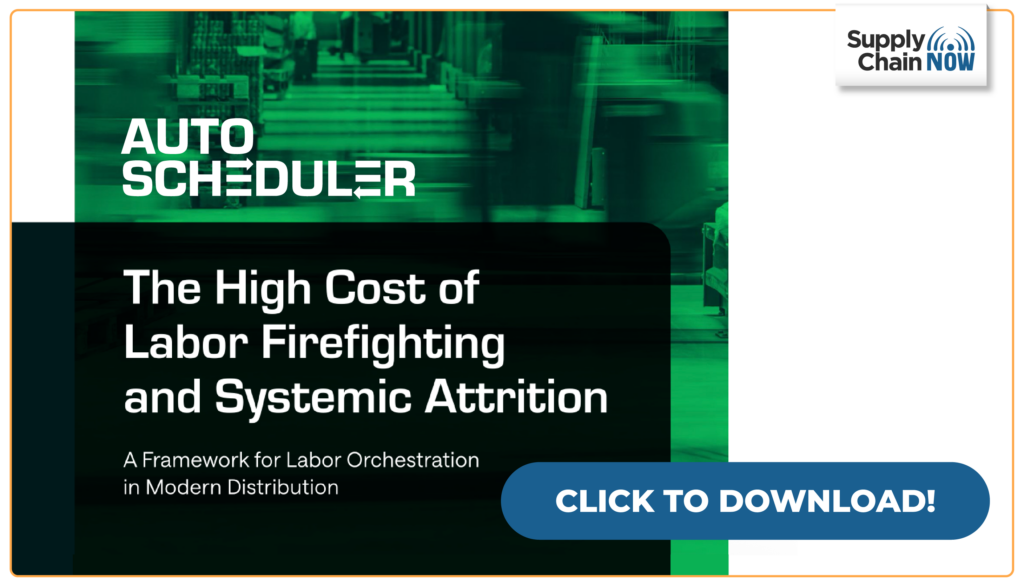
The High Cost of Labor Firefighting and Systemic Attrition
Warehouses are not running out of labor. They are running out of labor that can sustain the pace. Manual firefighting, overtime, and constant reassignment push skilled associates to burn out faster than they can be replaced. The result is a cycle of turnover, training, and rising labor costs that slow performance and strain budgets. This whitepaper breaks down the current state of labor in distribution, including turnover trends, overtime risk, burnout dynamics, and the true cost of churn. Click here to download and see how labor forces impact throughput, planning, and workforce strategy today.
book club
February 2, 2026
First Edition: Between the Lines by Supply Chain Now
At Supply Chain Now, we talk a lot about innovation, resilience, and what’s next for our industry. But behind every great conversation, great idea, and great community is something even more fundamental: curiosity. We read because we’re curious. We read to learn. We read to grow. And sometimes, we read simply because it’s fun! That’s why we created Between the Lines by Supply Chain Now, a space for our community to share what we’re reading, what’s making us think, and what we’re excited to recommend to others. This isn’t a traditional book club where everyone follows the same reading list. Instead, it’s a shared shelf, built by the Supply Chain Now team and our broader community. You’ll find business books and personal development reads alongside novels, memoirs, histories, and unexpected favorites. No required genres. No assigned chapters. Just real people sharing real recommendations. Because great books shape us in different ways. Some help us sharpen our skills. Some challenge how we see the world. Some help us slow down, escape, or recharge. And often, the most meaningful growth comes from reading something we never would have picked up on our own. With Between the Lines, our goal is to create…