
More
August 20, 2021
This Week In Supply Chain Now: August 16th – 20th
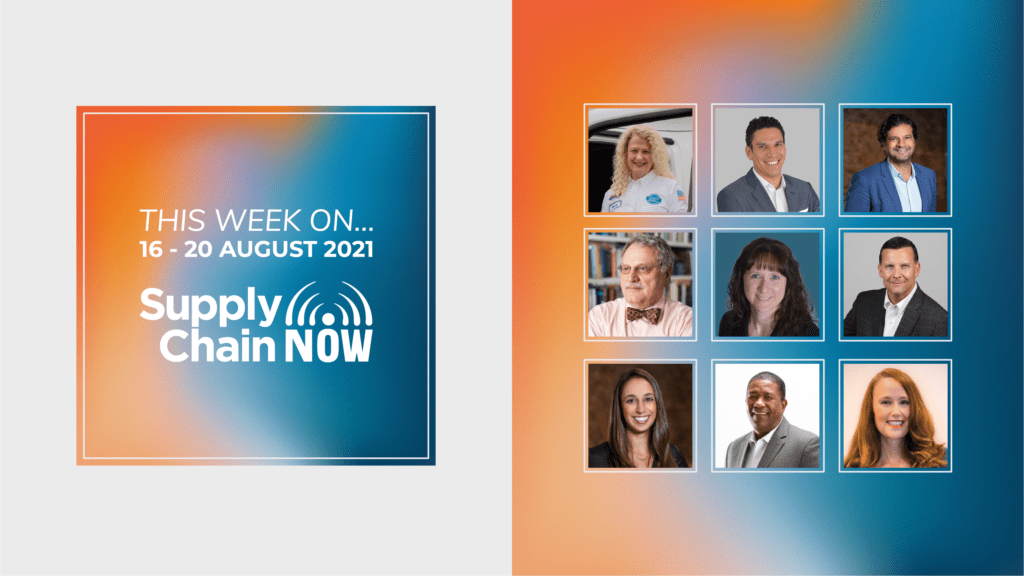
Stay up to date on all the latest conversations, interviews, and episodes we released this week here at Supply Chain Now. On Monday we released a Supply Chain Now episode with special guest, VP of UPS Ocean Freight, Steve McMichael. During this episode, Steve gives some insightful information on how companies can manage more effectively so that their operations can run in a more timely manner. On This Week in Business History, Kelly Barner talks about the difficulties that came along with Laying the First Transatlantic Telegraph Cable across the Atlantic Ocean. On Monday we also re-released a classic Supply Chain Now en Español episode with Erique Alverez and special guest, Josue Vasquez. In this episode of Logistics With Purpose hosts Enriquez Alvarez and Kristi Porter have a conversation with MAP International Vice President of Global Giving, Jodi Allison. She talks about the global impact that the company has had when it comes to the necessary efforts needed for a crisis such as COVID-19. On Wednesday’s episode of Supply Chain Now, Scott Luton and Greg White welcome Walmart truck driver, April Coolidge, to the show. During this episode, she gives insight into her being a woman in a male-dominated field…
August 14, 2020
This Week on Supply Chain Now: August 8th – 14th
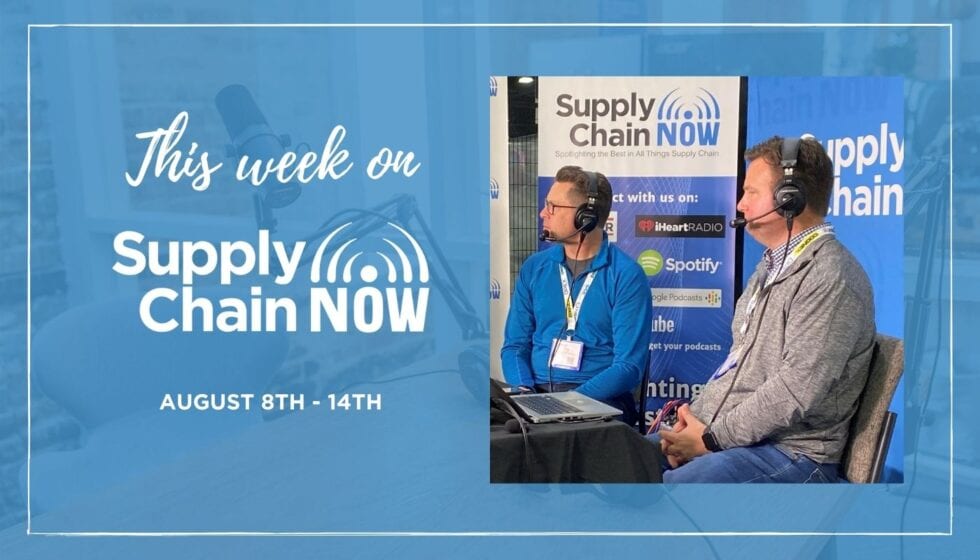
Another BIG week at Supply Chain Now! If you missed an episode, get a quick summary and listen here! We published a great Logistics with Purpose episode on Saturday the 8th, featuring Shane Buerster with Z Beans Coffee. Supply Chain Now · “Logistics with Purpose: Shane Buerster with Z Beans Coffee” On Monday, Scott and Greg spoke with Keith Saunders, Vice President of Direct Materials and Sourced Finished Goods at Zep Inc. Supply Chain Now · “Supply Chain Front & Center: Keith Saunders with Zep Inc.” Stephanie Thum talked about relentlessly focusing on the customer on the podcast on Tuesday with Scott and Greg. Supply Chain Now · “Relentlessly Focused on the Customer: Stephanie Thum with Practical CX” On Wednesday, we published this week’s Supply Chain Buzz, which featured an excellent interview with Andrew Kelley, the CCO of Boxlock. Supply Chain Now · “The Supply Chain Buzz for August 10th with Featured Guest Andrew Kelley from BoxLock” On Thursday, we shared another great episode in the TECHquila Sunrise series with Greg White, where Greg shares the latest investments, acquisitions, innovations, and glorious implosions in Supply Chain Tech every week.…