

More
content creation
October 16, 2025
Breaking Through: The Power of Supply Chain Podcasts
In a world of constant digital noise, marketing leaders need more than impressions—they need attention, trust, and measurable results. Supply chain podcasts have emerged as one of the most effective ways to achieve that, offering a platform to extend your reach to hard-to-access decision-makers, build authentic thought leadership, drive demand and generate qualified leads, and strengthen both brand recognition and visibility. Inside This White Paper, You’ll Learn: Why 80% of podcast listeners take action after hearing an ad—and how to leverage that to drive pipeline. How to usestorytelling to humanize your brandand create lasting audience loyalty. Proven ways podcasts canelevate brand awareness, support sales enablement, and accelerate deal cycles. Four key stepsto producing standout podcasts that deliver measurable ROI. Real-world success storiesfrom leading brands like Mattel, Colgate-Palmolive, Georgia-Pacific, and more. DOWNLOAD NOW
December 10, 2021
This Week In Supply Chain Now: December 6th – December 10th
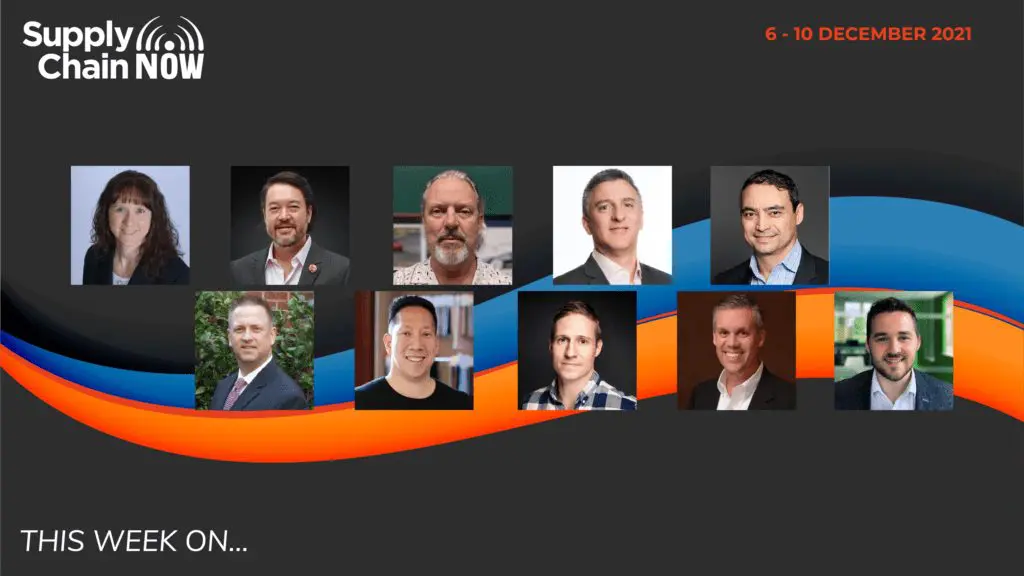
Stay up to date on all the latest conversations, interviews, and episodes we released this week here at Supply Chain Now! We started this week off with an episode of Dial P for Procurement with host Kelly Barner. She is accompanied by Bull Demartino Chief Product Officer and Constantine Limberakis the Senior Director of Product & Solutions Marketing for Riskmethods. During this show, the real meaning of creating a demand for new risk management gets discussed. In Monday’s episode of This Week In Business History, Kelly Barner shares the very interesting story of Clarence Birdseye, inventor and innovator of the frozen foods industry. Kelly talks about the initial challenges that Birdseye had to endure to become the legacy it is today. On Tuesday, we published an episode of Supply Chain Now with host Scott Luton and special co host Kelly Barner. This episode features Bob Gay, Rebate & Incentive Program Specialist for Advance Auto Parts. Scott Weir, the former Vice President of Purchasing for Thos. Sommerville Co, and Oisín Cooke the solutions consultant at Enable. They all put an emphasis of rebates and how they can be an effective way to reward and incentivize specific buying patterns and behaviors. On…