

More
Latin America
June 4, 2025
5 Things I Wish More People Asked About Supply Chains in Latin America
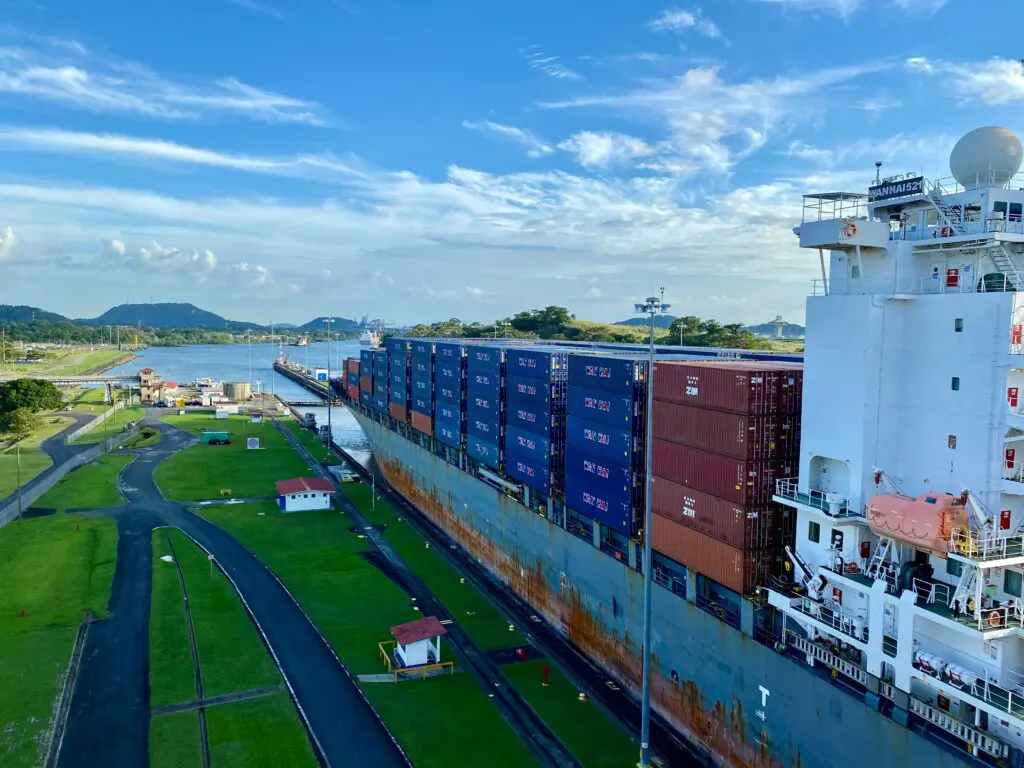
Special Guest Blog Post written by Demostenes (Demo) Perez, Photo by Rikin Katyal After more than 25 years in logistics and supply chain management and having led over 200 regional distribution projects, I’ve come to realize that the questions people don’t ask are often the most important. Throughout my career, I’ve worked with global multinationals, emerging brands, and family-run businesses. I’ve helped move everything from underground mining equipment to high-fashion goods, from pharmaceuticals and food to toys and chemicals. Some supply chain models I helped design are still thriving today; others were shut down after a few years. Many didn’t even make it past the drawing board. In that time, I’ve had the privilege of collaborating with logistics professionals from nearly every corner of the world and making lifelong friends in the process. Yet no matter the company size or product type, I still wish more people would ask these five questions before launching or scaling their operations in Latin America: 1. How well do I understand the diversity within Latin America? “Latin America” is often treated as a single market. It’s not. Logistics conditions in Mexico are completely different from those in Brazil. Colombia, Argentina, Peru, and Chile…

supply chain podcasts
July 26, 2024
Cutting Through the Noise: Amplifying Innovation through Supply Chain Podcasts
First, it was print, then radio and television, but with the advent of the internet, the effect of mass media multiplied a hundredfold. Today, information reaches the ends of the globe instantly, and some of the main drivers of that are video and podcasts, albeit aided by different social media platforms. Both are powerful mediums for communicating trends and news in any industry. Supply chain podcasts play a crucial role in disseminating information, serving as a powerful tool for enlightening the public. Delivering Authentic Expertise in a Cluttered Digital Landscape Industry professionals and even the general public seem to have an insatiable appetite for news, trends, and analysis of events impacting the supply chain, businesses, and the economy at large. Podcasts and videos offer people deep insights into the minds of industry experts and decision-makers on such topics as manufacturing, sourcing, supplier management, warehousing, logistics sustainability, and inventory management. Despite its many great qualities, social media can get noisy. For instance, on LinkedIn, many claim to be experts, sharing verified and unverified information about the supply chain industry. Finding the right source can be confusing, especially with the prevalence of irresponsibly published content and clickbait journalism. For stakeholders in the…