

More

May 6, 2020
Meat shortages impacting more than just the big fast food chains
Supply Chain Now Principle, Greg White, was featured in the WSB-TV Atlanta article and segment on meat shortages impacting more than just the big fast food chains on May 6th. VIEW ARTICLE HERE.
October 20, 2020
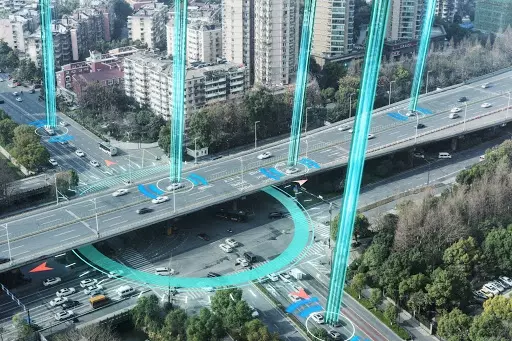
Benefits and Drawbacks of AI in the Transportation Industry
Technology is advancing quickly and we all get to experience quick changes in innovation devices. It has become almost impossible today to do any job without using technology. Our lives are greatly influenced by technology, to an extent that from our daily chores at home to our professional jobs and interactions, everything is being affected by technology. What is AI? Artificial Intelligence refers to the ability of an advanced computer to perform operations normally executed by humans. To lay it out plainly, AI has human-like capacities regarding programming, however, it runs on significantly more impressive equipment. In contrast to people, smart machines can deal with huge amounts of information in real-time. AI Spring in Action The last few decades have witnessed the spring of AI. The dramatic surge in AI resulted from its progress in advanced neural networks NNs and genetic algorithms GAs from the ‘60s and ‘70s. For any organization planning to move ahead and succeed, integration of technology in its operation is a must. AI Incorporation Artificial Intelligence is now being incorporated by organizations all across the globe in a variety of ways, from robotizing a part of interacting with customers to deciding upon the products best suited…