

More

cyber threats
October 25, 2022
Cyberattacks: Western countries hack each other too. Here’s why
Cyber-attacks are a common feature of today’s political and economical climate, with rogue nation-states using the power of the internet to target countries by influencing elections, stealing technology and compromising government data. Digital Transformers host Kevin L. Jackson recently explained that western countries hack each other too, and the reasons why in a recent article he wrote for the UK’s Reaction website. Read the entire article here.
Latin America
June 4, 2025
5 Things I Wish More People Asked About Supply Chains in Latin America
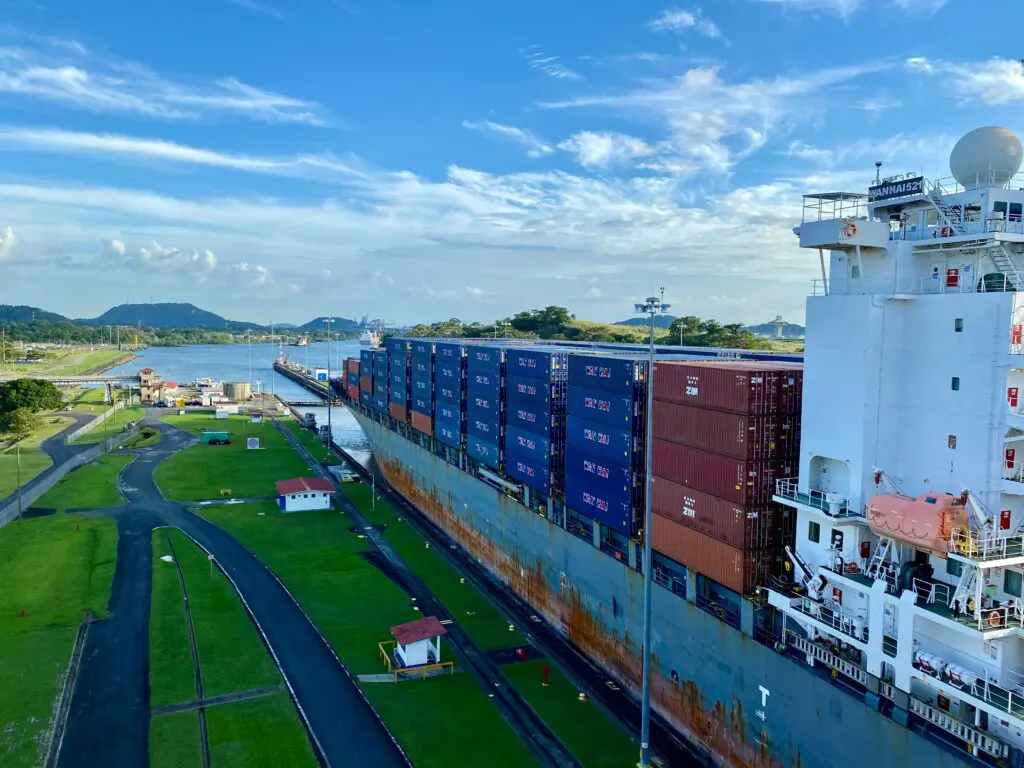
Special Guest Blog Post written by Demostenes (Demo) Perez, Photo by Rikin Katyal After more than 25 years in logistics and supply chain management and having led over 200 regional distribution projects, I’ve come to realize that the questions people don’t ask are often the most important. Throughout my career, I’ve worked with global multinationals, emerging brands, and family-run businesses. I’ve helped move everything from underground mining equipment to high-fashion goods, from pharmaceuticals and food to toys and chemicals. Some supply chain models I helped design are still thriving today; others were shut down after a few years. Many didn’t even make it past the drawing board. In that time, I’ve had the privilege of collaborating with logistics professionals from nearly every corner of the world and making lifelong friends in the process. Yet no matter the company size or product type, I still wish more people would ask these five questions before launching or scaling their operations in Latin America: 1. How well do I understand the diversity within Latin America? “Latin America” is often treated as a single market. It’s not. Logistics conditions in Mexico are completely different from those in Brazil. Colombia, Argentina, Peru, and Chile…