

More
supply chain podcast
April 8, 2025
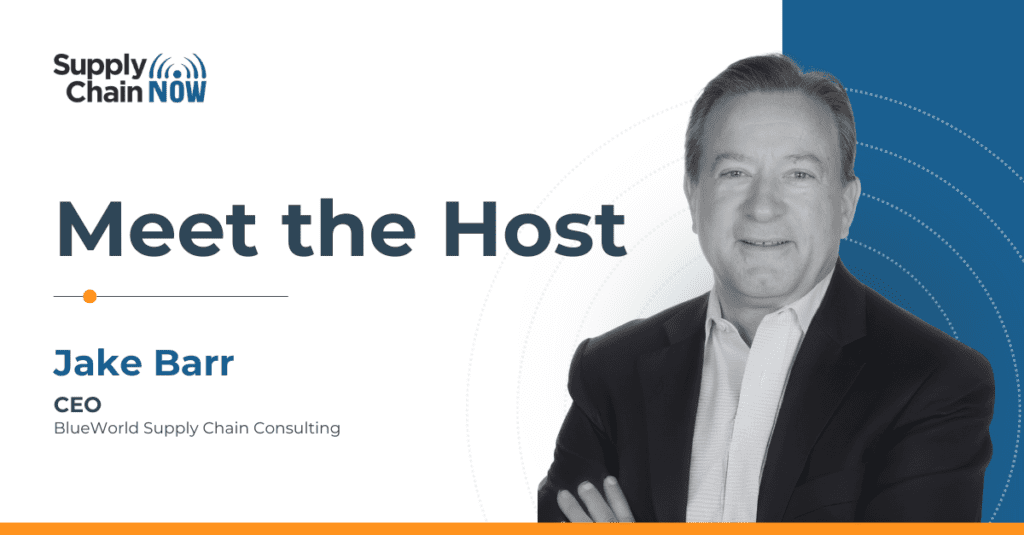
Meet the Supply Chain Now Host: Jake Barr
Supply Chain Now is the voice of the supply chain industry, and our hosts are experts in the field. Podcast listeners and webinar viewers tune in to hear the sage advice of host Jake Barr, heralded as an architect of global supply chain strategy and creator of “profit powerhouses.” Earning His Spot on Stage Barr today is the CEO of BlueWorld Supply Chain Consulting, which provides support to such Fortune 500 companies as Cargill, Caterpillar, 3M, PepsiCo, and Pfizer and helps them bring products to market. “We place a premium on accelerating speed to market by leveraging supply chain transformation,” he says. “The result is better operating margin performance and the opportunity to drive faster growth in revenue.” During his more than 33 years with Procter & Gamble, Barr served as the global director of supply network operations and led the end-to-end planning transformation project, which created control towers that now manage the daily business globally and earned him recognition as the architect for the company’s demand-driven supply chain strategy. He served on the MIT Center for Transportation & Logistics advisory council for its Supply Chain 2020 Project, was named to the League of Leaders for retail and consumer goods…
circular supply chain
April 10, 2026
Critical Mass: Inside the Coalition Building America’s Circular Supply Chain
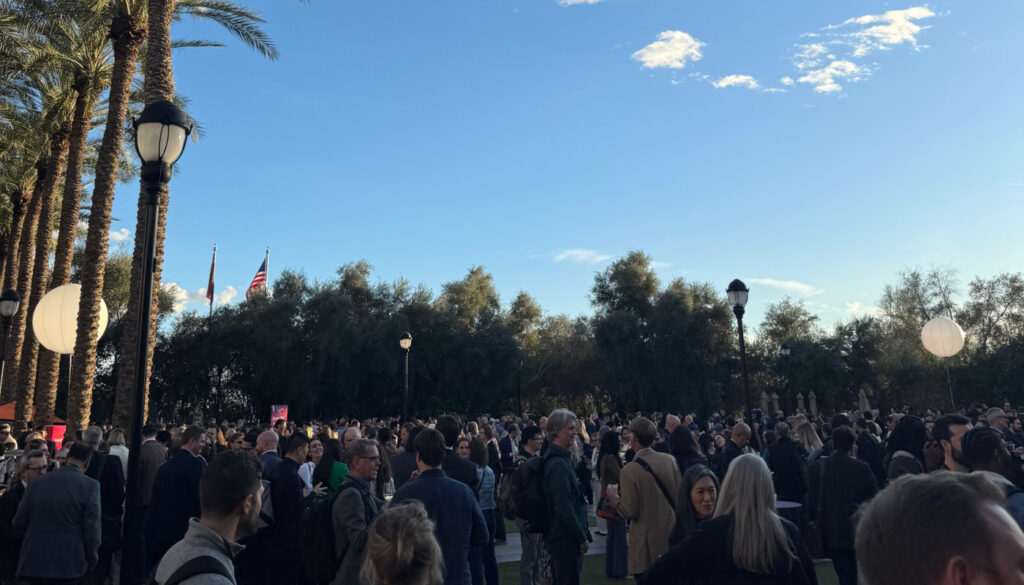
written by Deborah Dull, on site at GreenBiz 2026 It started over drinks, 80s music, and a shared frustration that has probably launched more good organizations than any strategic planning process ever has. The Circular Supply Chain Coalition, or CSCC, came out of a realization that a lot of the right work was already happening, in reverse logistics, in remanufacturing, in local procurement, in community-based value chains, but nobody had connected it. The people doing the work were not in the same room. The companies with the materials were not talking to the processors who could recover them. The states with enabling policies were not linked to the investors looking for exactly those environments. So the coalition became, as its founders describe it, a collector of collectors. The focus right now is on three priority waste streams: batteries, semiconductors, and e-waste. These were not chosen randomly. They have two elements in common. They carry geopolitical consequence, meaning the supply chains behind them are controlled by other countries and that is a known vulnerability. And they have business cases that a CFO can actually evaluate. That second part matters more than people in the sustainability world usually admit. The hub…