

More
supply chain planning
January 13, 2026
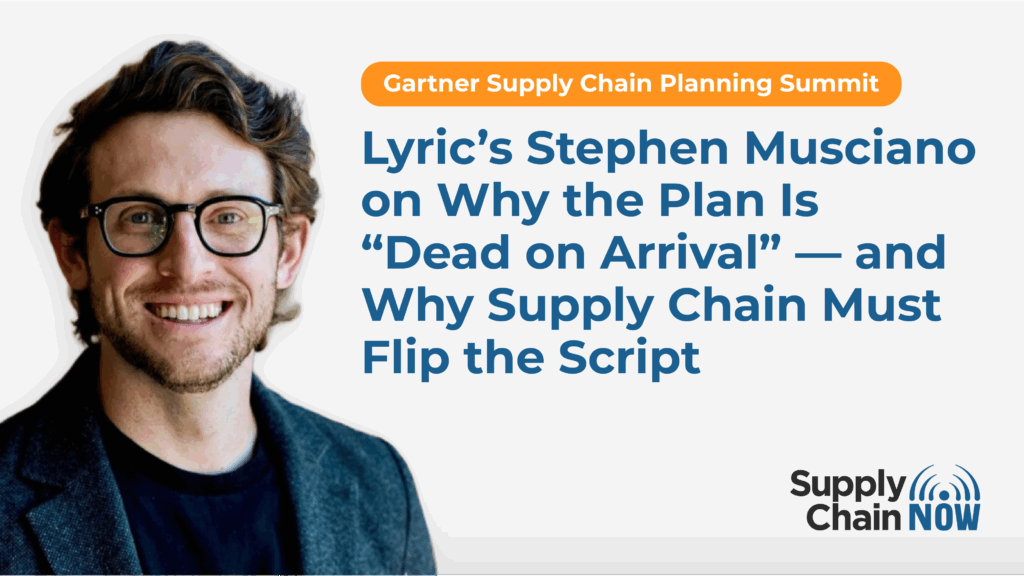
Lyric’s Stephen Musciano on Why the Plan Is “Dead on Arrival” — and Why Supply Chain Must Flip the Script
At the Gartner Supply Chain Planning Summit in December 2025, Scott Luton sat down with Stephen Musciano, a former practitioner turned technology leader who now helps transform supply chain organizations through Lyric—a fast-growing, math-first, AI-native platform redefining what supply chain technology can be. Musciano, who began his supply chain career at companies such as New Balance and Under Armour, brings both real-world execution experience and deep technical vision to his work. That mix is central to what makes Lyric—and its philosophy—stand apart. Lyric: A Platform, Not a Point Solution Musciano described Lyric as fundamentally different from traditional vendors. Rather than offering a single application or fixed module suite, Lyric provides a true supply chain platform in Lyric Studio—one built from composable, no-code building blocks that allow companies to create exactly what they need. “Think Legos,” Musciano explained. “We’re not selling you a car or a house. We give you the blocks so you can build what your supply chain truly needs. We might even give you a starter kit but the configuration and molding it to fit your business and your problem is where the magic happens.” Lyric Studio is intentionally designed centered on non-technical practitioners—people like “Maria,” Lyric’s…
October 1, 2021
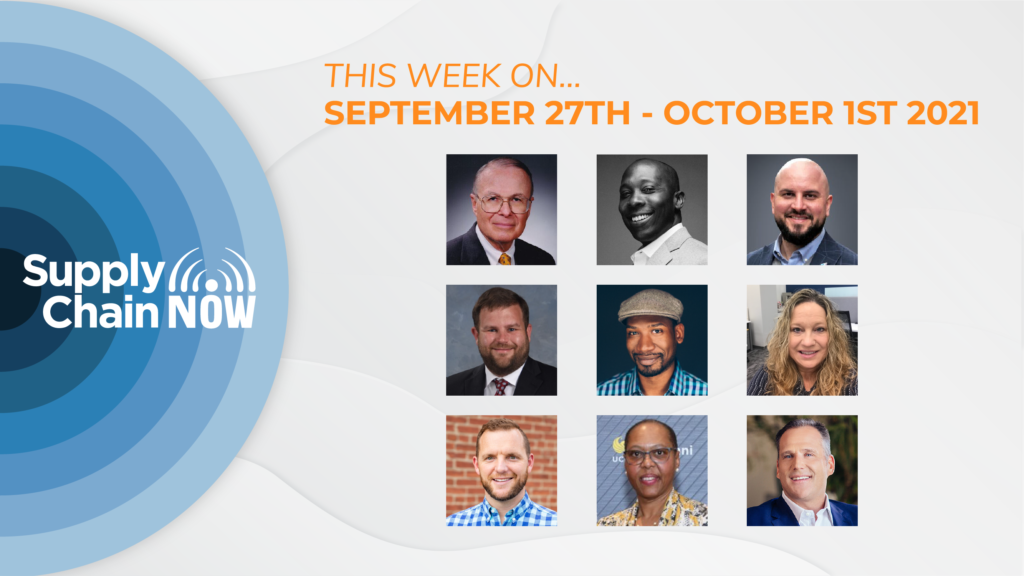
This Week In Supply Chain Now: September 27th – October 1st
Stay up to date on all the latest conversations, interviews, and episodes we released this week here at Supply Chain Now! We kicked the week off with a special episode of Digital Transformers with host Kevin L. Jackson and Scott Luton. This episode also featured the Vice President of Strategic Customers at Ratelinx, Andrew Hooser. During this episode Andrew talks about how Ratelinx helps companies unite their data and take action. For This Week In Business History Kelly covers stories from plumbing inventors to a black woman holding incredible records for having a substantial amount of patents. For this episode of Supply Chain Now host Scott gets to chat with the CEO and co-founder of Tommy Run, Bernard Parks and Tandreia Bellamy. One topic that is discussed includes why logistics is an important part of EVERY business model because “everything has to touch a truck”. On Wednesday we released an episode of Logistics With Purpose with host Enrique Alvarez and Kristi Porter. This episode also features Audra Weddle, Shipping Director and Ryan Grabill, Director of International Disaster Service, for Convoy of Hope. This episode focuses on Convoy of Hope and the logistics of disaster outreach. For this special Thursday feature…