

More
July 10, 2020
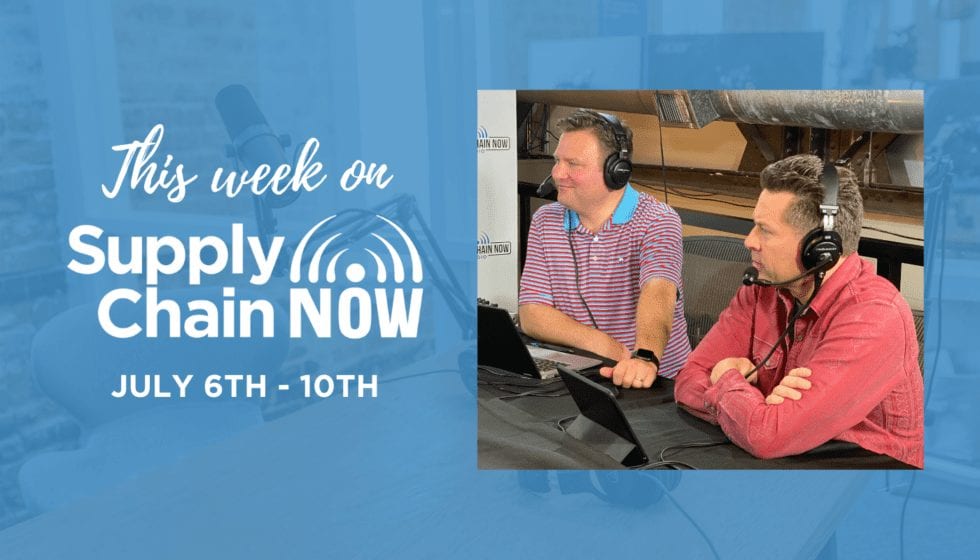
This Week on Supply Chain Now- July 6th – 10th
Another great week here at Supply Chain Now! Did you catch all the episodes? If not, you can check them all out here: We kicked off the week with This Week in Business History, where Scott looks back at some of the biggest historical events in business history for the week ahead, including the birth of the Coca-Cola Company. Supply Chain Now · “This Week in Business History for July 6th: The Birth of the Coca-Cola Company” Then on Tuesday, Scott and Greg welcomed John Buglino with Optessa to the podcast to discuss simplifying and streamlining operations. Supply Chain Now · “Simplifying & Streamlining Operations: John Buglino with Optessa” On Wednesday we published the Supply Chain Buzz, where Greg and Scott discussed the top supply chain news of the week, and were joined by special guest Tevon Taylor, with FedEx Supply Chain. Supply Chain Now · “Supply Chain Buzz for July 6th: Featuring Tevon Taylor with FedEx Supply Chain” On Thursday, we continued our new series, TECHquila Sunrise with Greg White, where Greg shares the latest investments, acquisitions, innovations, and glorious implosions in Supply Chain Tech every week. Supply Chain Now…
orchestration
November 4, 2025
Unifying Real-Time Data for End-to-End Supply Chain Orchestration
Special guest post written by Chris Cunnane with InterSystems Supply chain orchestration is the coordinated management of end-to-end supply chain activities, across planning, sourcing, production, logistics, and delivery, using technology, data, and processes to ensure that every moving part works together seamlessly. It enables organizations to attain an agile and resilient supply chain model through the use of decision intelligence. This is achieved through the See > Understand > Optimize > Act framework, which gives organizations the confidence to plan and respond to disruptions with assurance in their supply chain stability. See: gather raw data and information from your environment or a situation. Understand: analyze the information you’ve seen to build a comprehensive understanding of the context, your knowledge, and potential complexities. Optimize: develop the best possible solution or course of action to address the situation. Act: implement your chosen solution, putting your knowledge into practice. From a practical standpoint, this framework powers your supply chain application ecosystem with end-to-end visibility, insights, and better decisions. It helps organizations reach their supply chain goals by enabling them to align processes, stakeholders, and technology toward desired outcomes. The end result is reduced costs, improved operating margins, and optimized sustainability decisions, among others.…