

More
October 3, 2025
Leveraging ERM to navigate emerging tariffs and supply chain risks
Leveraging ERM to navigate emerging tariffs and supply chain risks With recent tariff hikes and geopolitical shifts, supply chain risks are more urgent than ever. 63% of businesses reported higher-than-expected supply chain losses despite increased risk management efforts in recent years. Leveraging ERM to navigate emerging tariffs and supply chain risks explores the distinct challenges of a stressed global market and shows how ERM can enhance efforts in identifying, escalating, and responding to emerging supply chain threats. Key areas explored in the guide: Supply chain risks affected by increased tariffs. Why engaging ERM to address supply chain risks is crucial. 8 proactive strategies for addressing emerging supply chain risks. Ready to start engaging ERM to respond to emerging supply chain risks with agility and speed? Download the free guide now
April 24, 2020
This Week on Supply Chain Now: April 20-24
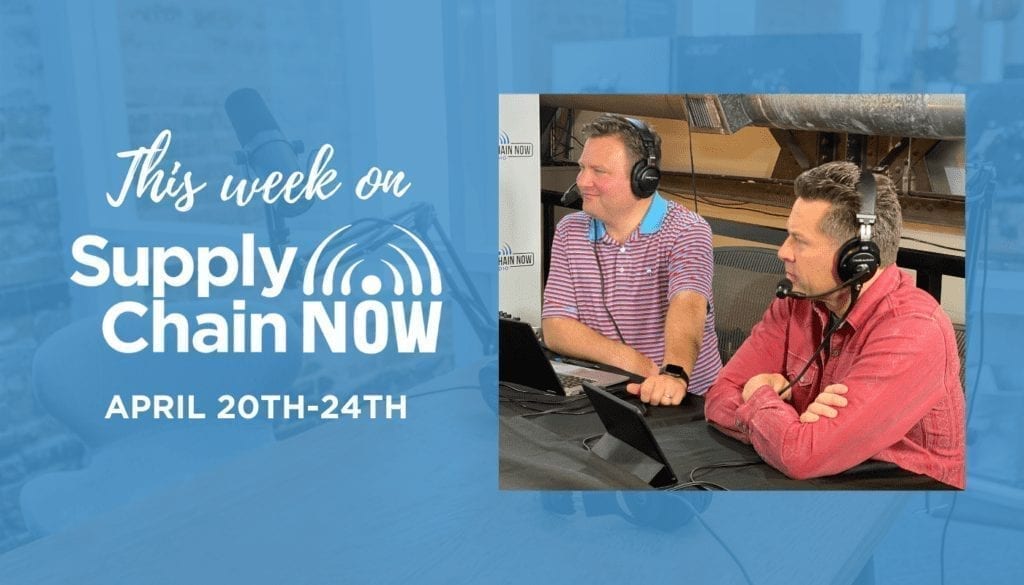
It has been another busy week for Supply Chain Now! Did you catch all the episodes? If not, no worries! Check them all out here: We started out the week with a new episode in our Logistics with a Purpose series sponsored by our good friends at Vector Global Logistics. Listen as Scott, Greg, and Enrique have a great conversation with Mickey Horner with Rise Against Hunger. On Tuesday, Scott and Greg were joined by AIAG’s CR Summit speaker Joerg Walden, CEO of iPoint. Then we published the new and improved Supply Chain Buzz, with Scott and Greg sharing and discussing the latest news and events in Supply Chain and beyond. Scott and Greg were joined by Randy Strang with MedShare on Thursday for another episode in the Logistics with a Purpose series, sponsored by Vector Global Logistics. And to wrap up the week, Scott and fellow host Fred Tolbert with Demand Solutions were proud to host three exceptional Supply Chain students from the University of Georgia’s Terry College of Business.