

More
logistics
October 23, 2025
Taming Inbound Logistics: A Playbook for Multisupplier Sourcing
Special Guest Blog Post from Emo Trans The unpredictable economic landscape has produced unprecedented challenges within inbound logistics. Company leaders must navigate global disruptions and shifting consumer demands as they reshape their supply chains. Amidst the adversity, multisupplier sourcing has become a strategic advantage instead of a contingency plan. Follow this approach to equip business leaders with actionable insights. What Is Multisupplier Sourcing? Multisupplier sourcing involves purchasing products or services from two or more suppliers. This strategy differs from organizations using just one supplier. Diversifying the base requires establishing and managing relationships with multiple vendors. A robust network lets you be more agile as the market changes. Multisupplier sourcing has gained traction in the last five years. A 2022 McKinsey survey said 81% of companies implemented dual-sourcing strategies — an increase of 26 percentage points since 2020. Sixty-nine percent of respondents said this approach will continue to be relevant through the decade. The survey noted changes in inventory, sourcing and regionalization to boost resilience. Why Businesses Use Multisupplier Sourcing Increasingly complex supply chains have made businesses reevaluate traditional sourcing models. Multisupplier sourcing has emerged as a popular strategy to improve operational efficiency and resilience. Here are three key benefits that…
supply chain
July 25, 2025
The Future of Supply Chains Starts With Better Questions
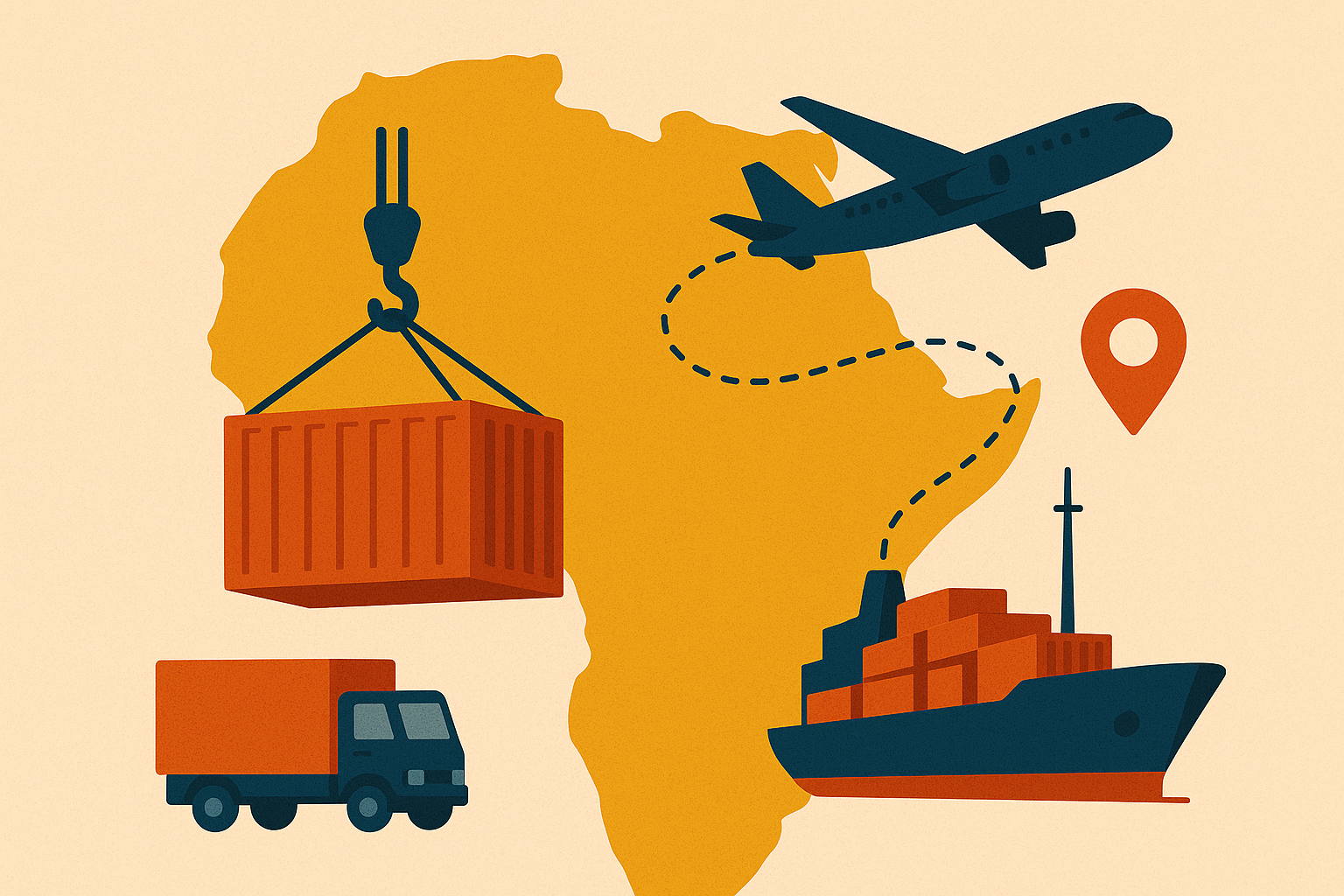
Special Guest Blog Post written by Stela Jaqueta In today’s fast-changing world, Africa’s role in global supply chains is at a tipping point. For too long, the continent has been viewed primarily as a source of raw materials rather than as a strategic partner in value creation. But what if we reimagined everything, from policies and technologies to mindsets and sustainability practices, through an Africa-centered lens? In this blog post, I explore five questions that challenge conventional supply chain thinking. From redefining Africa’s place at the global negotiation table, to elevating cultural intelligence from “soft skill” to strategic necessity, to designing climate-restorative logistics and embracing the digital revolution in a way that includes youth-led and informal businesses, each question is a call to rethink, redesign, and re-center. 1. What would a truly Africa-centered global supply chain look like? A truly Africa-centered global supply chain would shift from a model of extraction to one of empowerment and value creation. It would prioritize investment in local manufacturing, infrastructure, and knowledge transfer, ensuring that raw materials sourced from Africa are processed, packaged, and innovated on the continent. African-led businesses are seen as power players, with a voice and authority at the negotiation…