
More
January 2, 2020
Top 10 Supply Chain Management Podcasts You Must Follow in 2020
Supply Chain Now, ranked by Feedspot as number 1 of their Top 10 Supply Chain Management Podcasts You Must Follow in 2020, announced a new strategic initiative that will bring additional insight to their coverage of the best in all things supply chain. In January 2020, the streaming media company kicked-off Supply Chain Today & Tomorrow, a monthly discussion with Gartner Vice President of Research Mike Griswold. VIEW FULL PRESS RELEASE HERE.
July 1, 2021
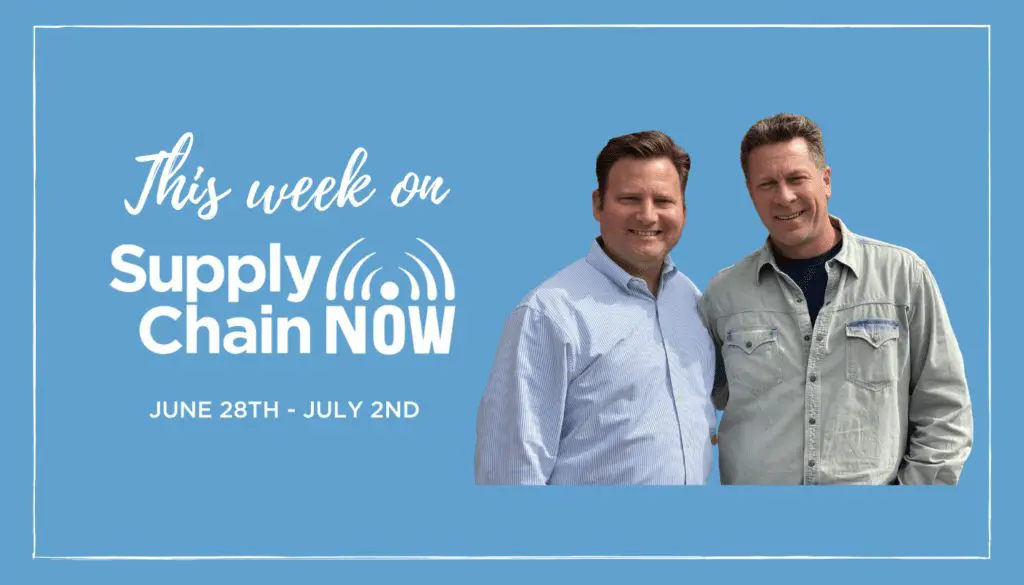
This Week In Supply Chain Now: June 28th – July 2nd
Stay up to date on all the latest conversations, interviews, and episodes we released this week here at Supply Chain Now. On Monday, we released 2 new episodes! On this episode of Digital Transformers, produced in partnership with TNS, host Kevin L. Jackson welcomes Praveen Rao, Managing Director with IBM, to the podcast. On This Week in Business History, host Scott W. Luton relates true stories marking notable anniversary dates this week, including the Federal Aid Highway Act of 1956, the first Chevy Corvette to be produced in 1953, & more! On Tuesday, we released an episode of TEK TOK! In this episode, host Karin Bursa dives into 6 strategies that supply chain innovators are doing now to become more resilient. On Wednesday’s episode of Supply Chain Now, Scott Luton and Kelly Barner, Host of Dial P for Procurement, dive into the friction between North Face and the oil and gas industry – an industry that supplies the substance and materials North Face needs to make its products. Despite this, North Face is concerned with protecting their brand from the potential damage of publicly associating with oil and gas, leaving them in a tough spot with regard to their supply…