

More

August 29, 2025
Modified Agile for Electronics Development: A Smarter Path to High-Value Solutions
Modified Agile for Electronics Development Electronics development has never been more complex—or more critical. Traditional waterfall methods often slow teams down with long cycles, costly redesigns, and missed deadlines. While software teams have thrived with agile, hardware development requires a different approach. This white paper introduces the Modified Agile for Hardware Development (MAHD) Framework™, designed specifically for electronics teams. By adapting agile principles to hardware’s unique challenges, MAHD enables faster timelines, reduced risk, and higher-value solutions. If your organization struggles with shifting requirements, late-stage changes, or cross-disciplinary silos, this guide provides a smarter way forward. Why Download This White Paper? Understand why traditional methods fall short and how hardware-specific agile solves the challenges waterfall and “faux agile” can’t. Get a clear introduction to the MAHD Framework™, a proven model that accelerates development by 25–50% while reducing costly risk. Learn practical strategies and tools—from system-level user stories and tailored prototyping to Altium’s solutions for agile electronics success. What You’ll Take Away: A framework purpose-built for hardware and electronics – not a software agile retrofit Practical methods to reduce wated effort, improve predictability, and accelerate time-to-market Real-world examples of how electronics teams can align strategy, execution, and customer…
fulfillment automation
February 20, 2026
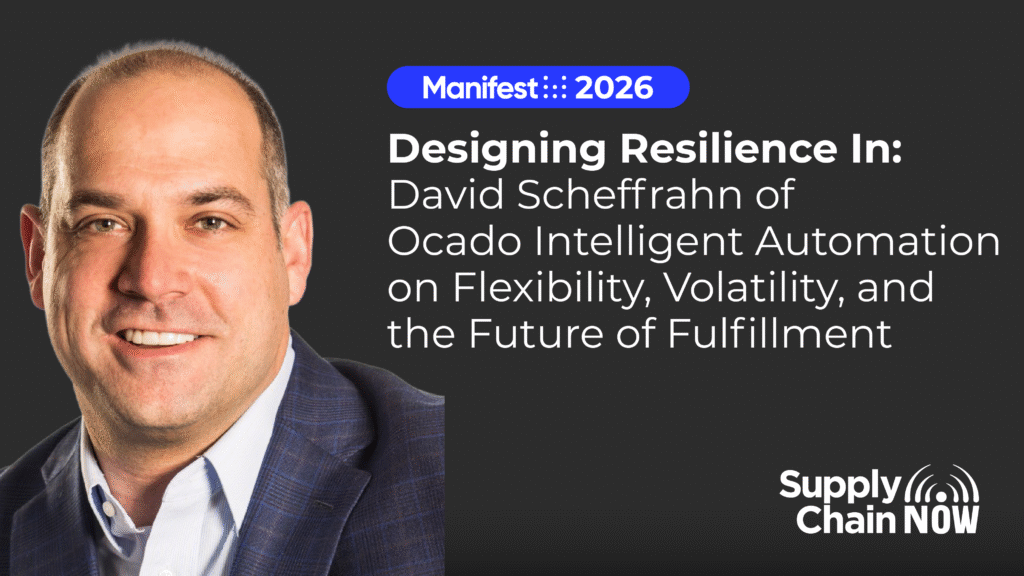
Designing Resilience In: David Scheffrahn of Ocado Intelligent Automation on Flexibility, Volatility, and the Future of Fulfillment
From Grocery Innovator to Global Tech Enabler At Manifest 2026, Scott Luton spent time with David Scheffrahn, Vice President of Sales with Ocado Intelligent Automation, to explore how fulfillment technology is evolving in an era defined by volatility. While Ocado is widely known in the UK and Europe for its e-commerce grocery leadership, Scheffrahn explained that the company’s North American focus is different. Over 25 years of building its own advanced grocery e-commerce and fulfillment operations, Ocado developed a powerful technology stack to drive efficiency. “What we’ve done in the last five years,” he shared, “has taken the tech stack that we built for our own use, and now we’re offering it to other companies to buy and use for their operations.” Today, Ocado supports 3PLs and global brands with end-to-end automation solutions that enable companies to maintain greater control over their omnichannel fulfillment, especially those looking for alternatives to marketplace giants. Volatility Hasn’t Gone Away When asked about dominant supply chain themes heading into 2026, Scheffrahn was direct: “Volatility has not gone away.” He described 2025 as “a massive shock in the system,” with tariffs and shifting trade policies forcing customers to pause projects and reassess strategy. “Almost…