

More
June 18, 2021
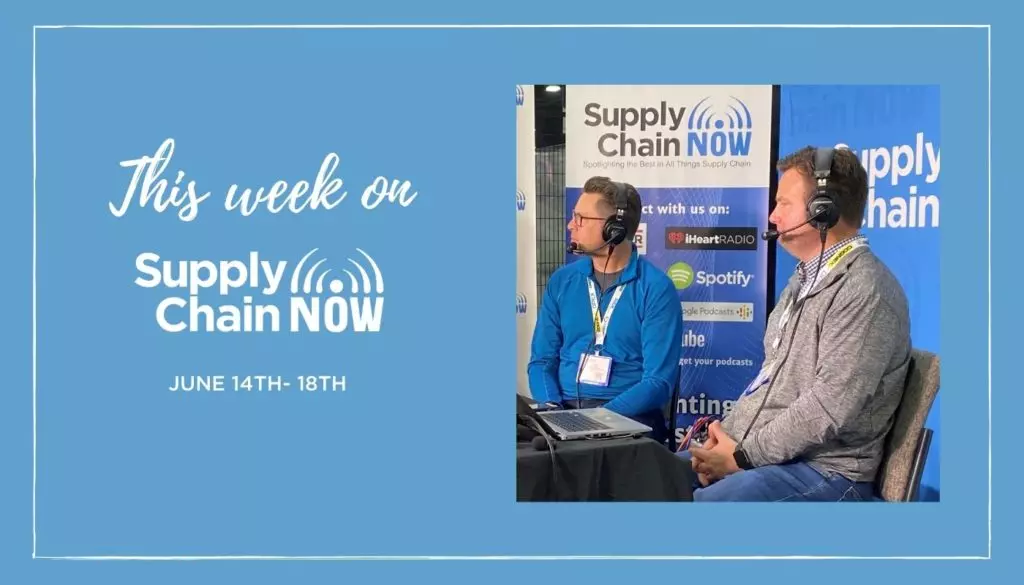
This Week In Supply Chain Now: June 14th – 18th
Step up your supply chain strategy by checking out all the latest conversations, interviews, and episodes we released this week here at Supply Chain Now! On Monday, we released 2 new episodes! On this episode of Supply Chain Now, hosts Scott and Greg welcome Nicci Scott with Commercial Transport Academy and Jenny Froome with SAPICS for the next installment of the Supply Chain Across Africa series. On This Week in Business History, host Scott W. Luton sheds light on 3 historical milestones that enabled us to move faster: cars, coasters, & computers. On Tuesday, we released 2 new episodes! On this episode of TEK TOK, host Karin Bursa takes us through 6 strategies to boost resilience, agility, and response in your organization’s supply chain. On TECHquila Sunrise, we’re looking back on a “Sunrise Special” episode where host Greg White shares how venture capitalists decide which companies to invest in (and how much!). On Wednesday, host Scott Luton welcomed Deborah Dull, Supply Chain Product Management at GE Digital, and Mucai Kunyiha, Chairman of the Kenya Association of Manufacturers and Group Chief Executive Officer of Kzanaka Ltd, to the podcast. On Thursday, we released a replay of our Manufacturing Monday edition of…

Startups
December 17, 2024
Small Companies, Big Impacts: Three Supply Chain Startups to Know
Supply chain technology is a hot commodity. Venture capital investments in supply chain tech and technology-based logistics companies have totaled an estimated $15.4 billion in 2024, and more than 150 supply chain startups have been acquired in the last two years as logistics companies work to leverage cutting-edge technology to improve their services. According to a Kearney report, the biggest capital infusions have been in delivery technology, warehouse automation, and supply chain digitization and artificial intelligence (AI), and the investments are paying off. “Quite simply, the more you invest, the better you get at monetizing breakthrough innovation.” Freight brokerages, in particular, are looking to technology to help set them apart – or stay in business. Brush Pass Research reported there are 17.5% fewer active freight brokerages today than there were two years ago. Three Supply Chain Startups to Know StartUs Insights identified the top nine supply chain innovations and trends for 2025: AI Internet of Things (IoT) Flexible supply chains Big data and analytics Robotics Supply chain sustainability Supply chain traceability Last-mile delivery Cybersecurity “The supply chain has several variables that hinder its efficiency, including globalization, government regulations, pandemics, international transportation costs, increasing competition, and more,” StartUs said of…