

More

logistics
August 28, 2025
Why a “Perfect Fit” TMS Beats Feature-Packed Systems
The right match unlocks efficiency, visibility, and cost control—without drowning in unused features Special Guest Blog Post written by e2open When picking a Transportation Management System (TMS), shiny features, slick dashboards, and buzzwords can be distracting. But here’s the truth: real ROI doesn’t come from having the most bells and whistles. It comes from finding a TMS that fits your transportation complexity like a glove. Too simple, and you’ll outgrow it before the ink is dry. Too complex, and you’ll be paying for tools you don’t use. Nail the fit, though, and other KPIs like cost savings, faster execution, and happier customers will slide into place. How to pick a TMS that fits your freight Carriers and LSPs running on legacy systems miss out on the real-time visibility and cost control a modern TMS delivers, leaving them slower, less efficient, and easier to undercut. Let’s unpack how to look beyond flashy features and choose a TMS that works for your business: Match complexity first. The biggest ROI driver is aligning your TMS with your transportation complexity. Get that right, and everything else follows. Consider adaptability and scalability. Your TMS should grow with you. Look…
supply chain sustainability
July 2, 2024
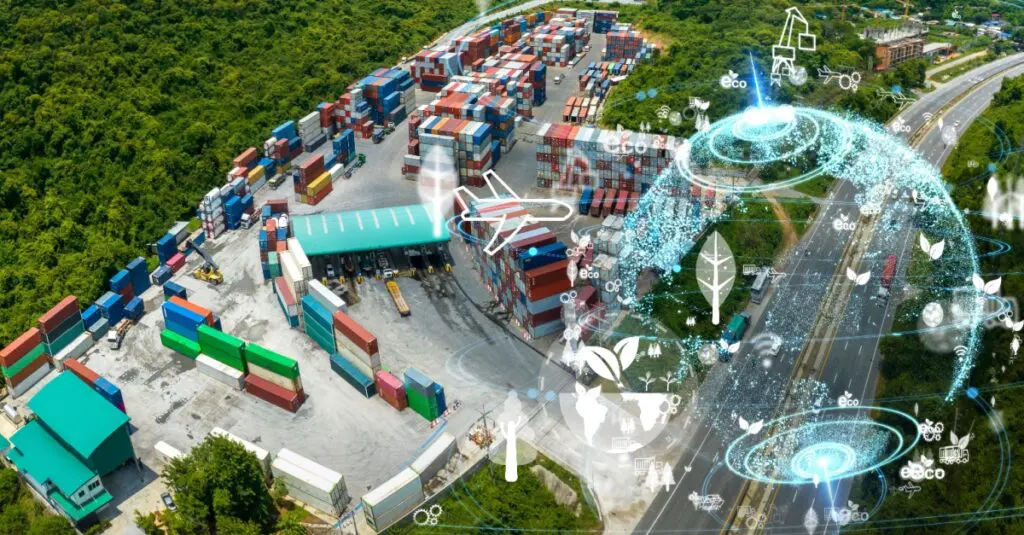
Guide to Sustainability in Logistics: Implementing Eco-Friendly Practices
The logistics and transport sector contributes about 24% of global CO2 emissions. Considering the push for supply chain sustainability across different sectors, the need for lower emissions has been heating up in recent years. With roughly a quarter of the world’s emissions tied to logistics, this industry will possibly be the final frontier to tackle regarding sustainability. While different strategies can be leveraged to reduce the impact of logistics operations on the environment, integrating eco-friendly practices and reducing Scope 3 emissions are some of the most pressing initiatives at hand. This article serves as a guide that will provide actionable steps for companies to embrace innovative solutions and navigate the transition toward a greener future. Scope 3: Understanding Supply Chain Emissions Modern supply chain management outsources different parts of the operation to leverage the expertise of different suppliers and stakeholders. Logistics operations are usually outsourced to third-party providers, and exercising control over their operations and monitoring their sustainability practices and emissions can be challenging. Here’s the harsh reality: no matter how well an organization manages to reduce Scope 1 and 2 emissions, the unaddressed Scope 3 emissions can bring the entire process to a screeching halt. This is especially true…