

More

supply chain
November 15, 2024
Big Ideas: What’s on the Horizon for Supply Chain 2025?
Change is certainly going to come, and a number of developments are expected to impact the supply chain in 2025. That includes the increased adoption of artificial intelligence (AI) and robotics, investment growth in renewable energy, and momentum gains for nearshoring. No matter what happens in 2025, Supply Chain Now will be there every day to serve as the voice of the industry and keep supply chain podcast listeners informed about the big ideas as well as the little changes that could make a big impact. Ongoing Disruptions Are Set to Impact Industry The question isn’t whether there will be supply chain disruptions in 2025. It’s a matter of when, where, and the cause of the disruption. The International Longshoremen’s Association could go on strike again in January if a contract agreement is not reached. The Houthi could stage more attacks on containerships in the Red Sea at any time. And weather-related disasters could range from deadly ice storms to floods to hurricanes anywhere in the country. “Looking ahead to 2025, we can predict some major shifts and challenges for supply chains. Right now, businesses around the world are facing increasing pressure to adapt to new technologies, environmental impacts, and…
January 12, 2021
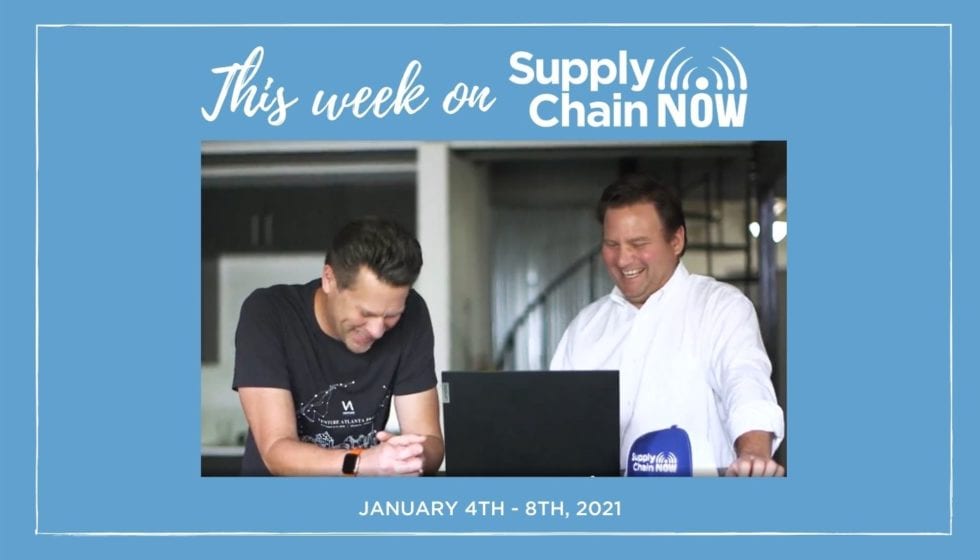
This Week on Supply Chain Now: January 4th – 8th
Get Ready to increase your supply chain IQ! We’ve got all the latest episodes, interviews, conversations, and livestreams right here from Supply Chain Now this week. On Monday, TEKTOK host Karin Bursa sat down with Scott to look back on 2020 and discuss what’s on the horizon for 2021 On Tuesday’s podcast episode, Kelly Barner joined Scott to discuss the lessons learned in 2020 and what’s to come in 2021. On Wednesday, Scott welcomed Joe Donnell and Karl Fillhouer with Circle Logistics to talk about the recruiting and talent challenges they faced in 2020, consumer demand predictions after pandemic restrictions are lifted, & the next frontier in technological innovation. On Thursday, Scott and Greg welcome Nurfad Nadarevic to the Supply Chain Buzz to discuss the COVID-19 vaccine distribution, automotive changes ahead, and more top news in supply chain this week. We ended the week with an episode of TEKTOK, powered by Supply Chain Now, where host Karin Bursa shared the 3 Things C-Level execs need to know about Sales & Operations Planning & Inventory Optimization. Which was your favorite episode this week? Never miss an episode by subscribing to Supply Chain Now! Make sure you…