

More
July 10, 2020
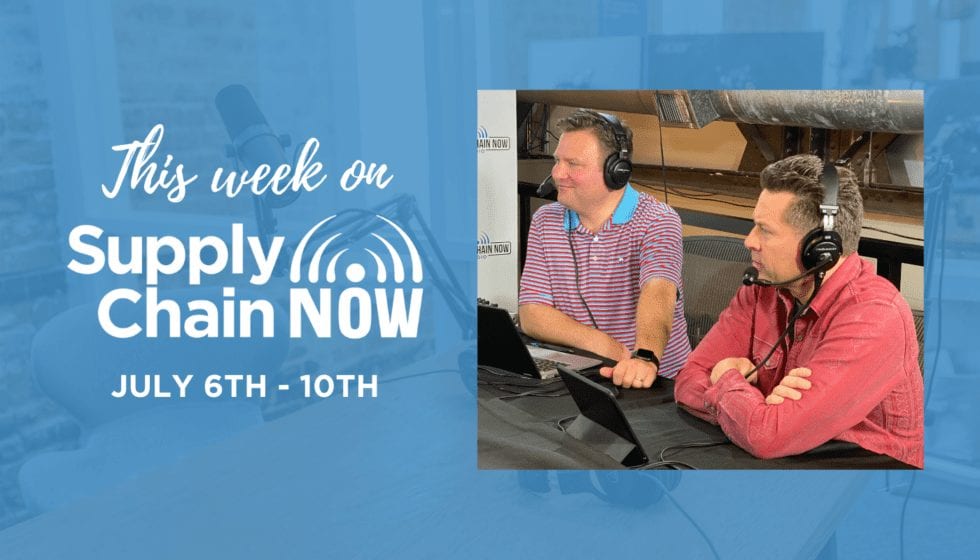
This Week on Supply Chain Now- July 6th – 10th
Another great week here at Supply Chain Now! Did you catch all the episodes? If not, you can check them all out here: We kicked off the week with This Week in Business History, where Scott looks back at some of the biggest historical events in business history for the week ahead, including the birth of the Coca-Cola Company. Supply Chain Now · “This Week in Business History for July 6th: The Birth of the Coca-Cola Company” Then on Tuesday, Scott and Greg welcomed John Buglino with Optessa to the podcast to discuss simplifying and streamlining operations. Supply Chain Now · “Simplifying & Streamlining Operations: John Buglino with Optessa” On Wednesday we published the Supply Chain Buzz, where Greg and Scott discussed the top supply chain news of the week, and were joined by special guest Tevon Taylor, with FedEx Supply Chain. Supply Chain Now · “Supply Chain Buzz for July 6th: Featuring Tevon Taylor with FedEx Supply Chain” On Thursday, we continued our new series, TECHquila Sunrise with Greg White, where Greg shares the latest investments, acquisitions, innovations, and glorious implosions in Supply Chain Tech every week. Supply Chain Now…
March 19, 2021
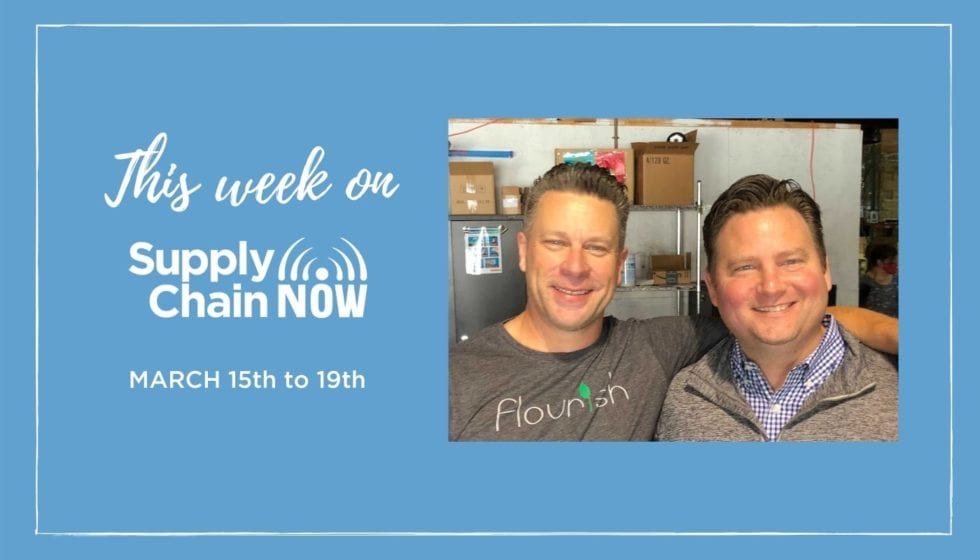
This Week on Supply Chain Now: March 15th – 19th
Listen Up! This week was full of thought leadership, industry news, and strategic insights, so make sure to catch all things Supply Chain Now right here! On Monday, Charles Walker and Enrique Alvarez joined Scott and Greg to talk about Leadership Lessons Learned. Listen up if you’re ready to feel inspired! On Tuesday, Mike Griswold, VP of Research at Gartner, joined our hosts Scott Luton and Greg White to discuss the top stories, news, and trends in supply chain today. On Wednesday, Azaleah Davis joined us on the podcast to talk about how she found her way into engineering and biomechanics, the evolutionary journey aspriing leaders have to be willing to take to be their best self, and more! If you missed Monday’s The Buzz livestream, then check out Thursdays podcast episode of the replay featuring the Lora Cecera, Founder of Supply Chain Insights, as she joins our hosts Scott and Greg to dive into the top news in supplu chain this week plus share her own incredible story and inspirational perspective. And on Friday, we finished off with a Dial P for Procurement livestream. Tune in as hosts Kelly Barner and Scott…