

More
October 1, 2021
This Week In Supply Chain Now: September 27th – October 1st
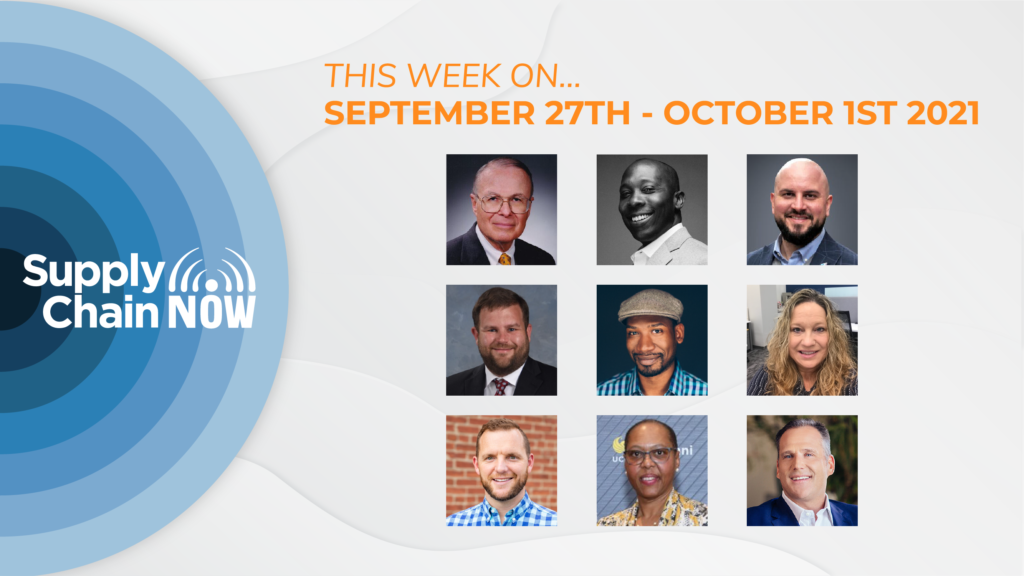
Stay up to date on all the latest conversations, interviews, and episodes we released this week here at Supply Chain Now! We kicked the week off with a special episode of Digital Transformers with host Kevin L. Jackson and Scott Luton. This episode also featured the Vice President of Strategic Customers at Ratelinx, Andrew Hooser. During this episode Andrew talks about how Ratelinx helps companies unite their data and take action. For This Week In Business History Kelly covers stories from plumbing inventors to a black woman holding incredible records for having a substantial amount of patents. For this episode of Supply Chain Now host Scott gets to chat with the CEO and co-founder of Tommy Run, Bernard Parks and Tandreia Bellamy. One topic that is discussed includes why logistics is an important part of EVERY business model because “everything has to touch a truck”. On Wednesday we released an episode of Logistics With Purpose with host Enrique Alvarez and Kristi Porter. This episode also features Audra Weddle, Shipping Director and Ryan Grabill, Director of International Disaster Service, for Convoy of Hope. This episode focuses on Convoy of Hope and the logistics of disaster outreach. For this special Thursday feature…
supply chain thought leadership
February 19, 2026
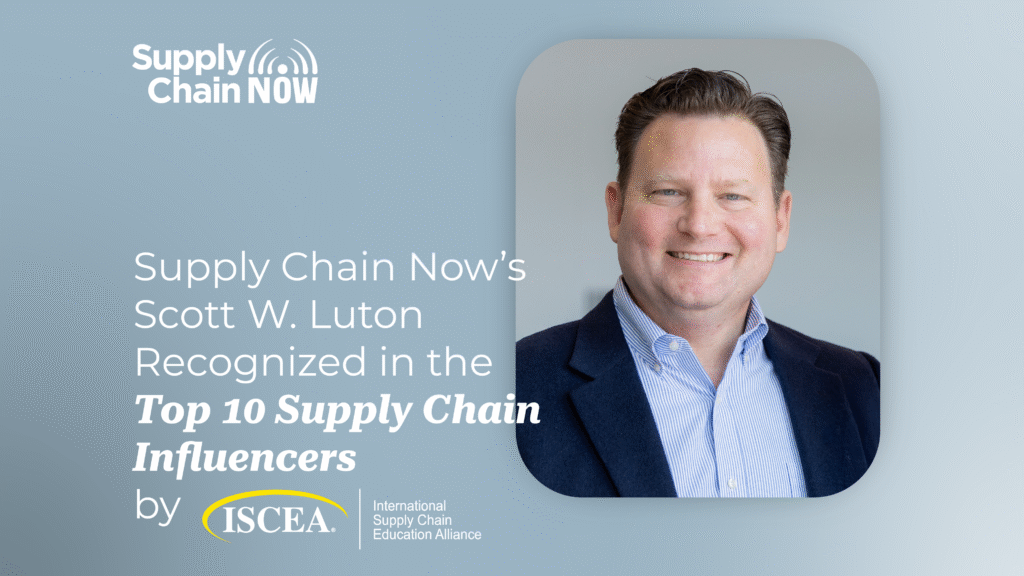
Supply Chain Now’s Scott Luton Recognized in the Top 10 Supply Chain Influencers by ISCEA
We’re proud to celebrate another industry recognition for Supply Chain Now Founder, CEO, and Host Scott Luton – he has been named one of the ISCEA Top 10 Supply Chain Influencers of 2026. The International Supply Chain Education Alliance (ISCEA) highlights leaders who actively shape the profession by sharing research, perspectives, and practical insights that help advance the global supply chain conversation. (ISCEA) Scott’s inclusion reflects the spirit of the Supply Chain Now community: real conversations, practical takeaways, and a commitment to connecting practitioners across industries and roles. Through interviews, events, and ongoing dialogue with leaders around the world, his goal has always been to amplify voices and help move the industry forward together. We’re grateful to our listeners, partners, and guests; this recognition belongs to the entire community that shows up and shares knowledge every day. Check out the entire list and learn more about ISCEA here.