

More

e-waste as a supply chain opportunity
March 25, 2026
The Geopolitics of Junk
written by Deborah Dull, on site at GreenBiz 2026 I spent today in a room full of people who think about waste for a living. And the word that kept coming up had nothing to do with recycling. It was sovereignty. Here is the situation. The United States imports 95% of its critical mineral supply. Lithium, cobalt, rare earth elements, the stuff inside every battery, every semiconductor, every electric motor. We do not make it, we do not mine much of it, and we do not control the supply chain that delivers it. That is not an energy policy problem. That is a national security problem. Now here is the part that should make you put down your coffee. A ton of smartphones contains dramatically more gold than a ton of mined ore. We are talking about concentrations that make urban mining look like a gold rush compared to digging in the ground. And yet the recovery rate for those materials, once a phone leaves its first owner, drops to around 13%. We are losing roughly 80% of the value sitting in devices right now, in drawers, in closets, in landfills. E-waste is also the fastest growing waste stream…
April 17, 2025
Navigating Hidden Freight Costs: Taking Control of Unexpected Charges
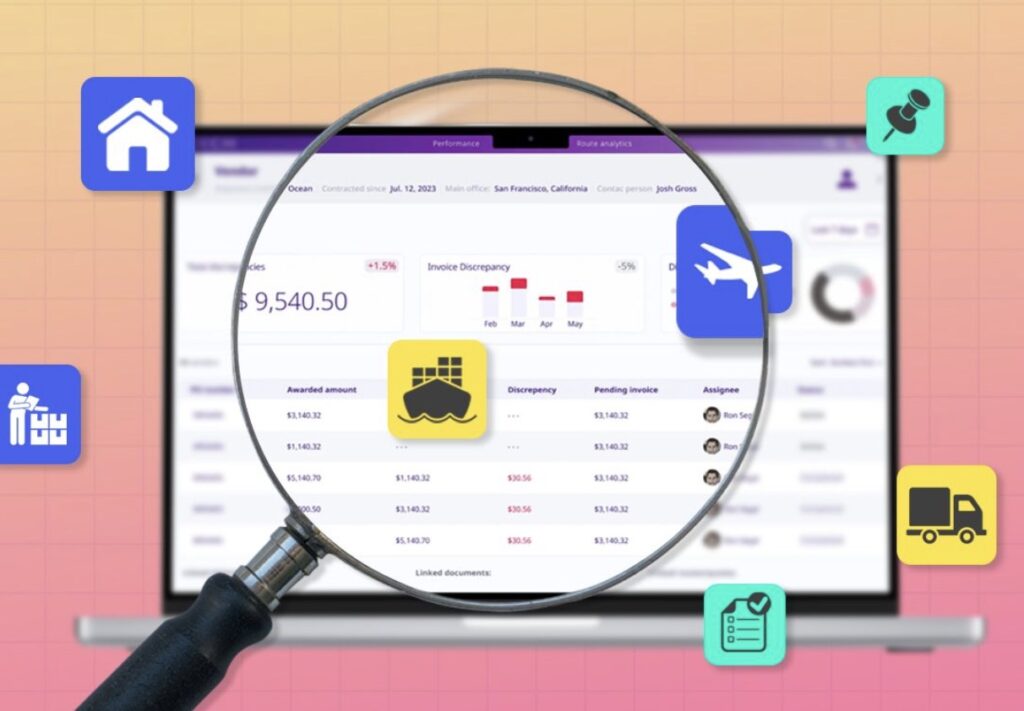
Blog Post written by Ohad Azgad, CEO of Cinch Logistics leaders must control costs while maintaining service quality, but hidden freight charges often erode profits due to poor visibility. Cinch analyzed over 7,000 line-item charges from 30+ freight forwarders, brokers, and carriers in FMCG and manufacturing, uncovering three major cost drivers: The Frequency-Impact Paradox Frequent charges like fuel surcharges appear in 14.4% of invoices but contribute just 4.2% of hidden costs. In contrast, customs duties—though present in only 5.8% of invoices—account for 52% of hidden costs. Identifying these patterns helps logistics teams focus on impactful cost reductions. Inconsistent Invoice Terminology Charge names like “Fuel Surcharge” vs. “Bunker Adjustment Factor” vary between carriers, reducing cost visibility and negotiation leverage. Standardizing terminology improves tracking, clarity, and vendor negotiations. Hidden Budget Risks: Customs, Duties & On-Carriage Fees Customs duties account for 46% of hidden costs, while on-carriage fees add 26%, despite appearing in only 4.3% of invoices. These charges are often underestimated during quoting, leading to budget overruns. Proactive management prevents unexpected expenses. Strategies to Optimize Freight Costs Real-Time Data Analytics: Platforms like Cinch provide charge visibility during quoting, improving cost forecasting and negotiation leverage. Standardized Terminology: Consistent charge names enhance cost…