

More
April 17, 2025
Navigating Hidden Freight Costs: Taking Control of Unexpected Charges
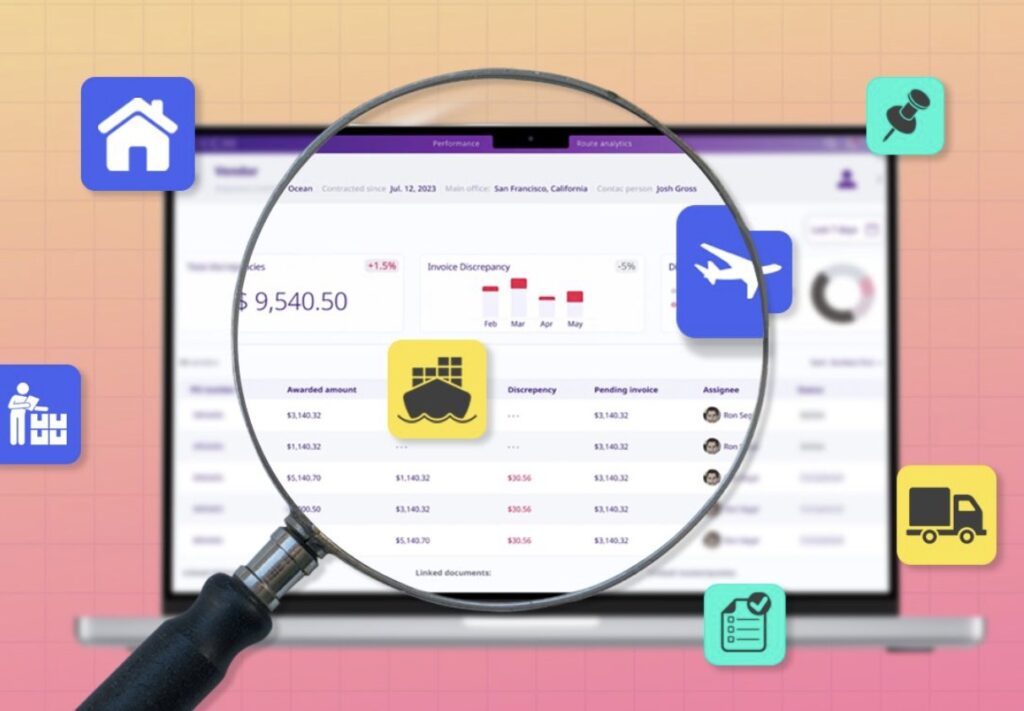
Blog Post written by Ohad Azgad, CEO of Cinch Logistics leaders must control costs while maintaining service quality, but hidden freight charges often erode profits due to poor visibility. Cinch analyzed over 7,000 line-item charges from 30+ freight forwarders, brokers, and carriers in FMCG and manufacturing, uncovering three major cost drivers: The Frequency-Impact Paradox Frequent charges like fuel surcharges appear in 14.4% of invoices but contribute just 4.2% of hidden costs. In contrast, customs duties—though present in only 5.8% of invoices—account for 52% of hidden costs. Identifying these patterns helps logistics teams focus on impactful cost reductions. Inconsistent Invoice Terminology Charge names like “Fuel Surcharge” vs. “Bunker Adjustment Factor” vary between carriers, reducing cost visibility and negotiation leverage. Standardizing terminology improves tracking, clarity, and vendor negotiations. Hidden Budget Risks: Customs, Duties & On-Carriage Fees Customs duties account for 46% of hidden costs, while on-carriage fees add 26%, despite appearing in only 4.3% of invoices. These charges are often underestimated during quoting, leading to budget overruns. Proactive management prevents unexpected expenses. Strategies to Optimize Freight Costs Real-Time Data Analytics: Platforms like Cinch provide charge visibility during quoting, improving cost forecasting and negotiation leverage. Standardized Terminology: Consistent charge names enhance cost…

lean production manufacturing
October 31, 2024
Supply Chain Now Guide to Lean Manufacturing: Tried, True, and Transformative
Lean manufacturing is all about reducing waste and increasing efficiency. Manufacturers have been implementing lean practices for decades and have stood the test of time. Now, with technological advancements, lean methodologies can be more transformative than ever before. “Integrating automation into lean manufacturing is a powerful strategy. Unlike traditional automation, which often aims to increase production capacity without considering real needs, lean automation focuses on the smart and selective application of technologies to meet specific continuous improvement goals and eliminate inefficiencies,” the Kaizen Institute said. “Digital transformation provides an unprecedented opportunity for implementing lean,” it continued. “When applied within lean, tools like the Internet of Things (IoT), artificial intelligence (AI), and data analytics can revolutionize how organizations detect and eliminate waste.” What is Lean Manufacturing? In “The Machine That Changed The World,” published in 1990, lean production is hailed as “Toyota’s secret weapon in the global car wars.” The Toyota Production System was developed following World War II from “a series of simple innovations … to provide both continuity in process flow and a wide variety in product offerings,” according to the Lean Enterprise Institute. In “Lean Thinking,” a 1996 follow-up to “The Machine That Changed The World,” authors James…