

More
MODEX 2026
May 15, 2026
Building the Next Generation of Supply Chain Leaders
At MODEX 2026 in Atlanta, Scott Luton sat down with Dr. Stephanie Thomas, Associate Professor of Practice at the University of Arkansas and Founder & Executive Director of WISE, for a wide-ranging conversation about supply chain talent, AI, and the future of workforce development. One thing becomes immediately clear from the discussion: while technology may dominate the headlines, the future of supply chain still depends on people. Of course, that makes the ability for organizations to more effectively engage the new generations entering the workforce all that more critical. The Industry’s Biggest Question Mark: AI and Talent When asked about the biggest priorities facing supply chain leaders today, Thomas doesn’t hesitate: AI is at the top of nearly every conversation. “Everybody’s trying to unpack what is it going to do? How is it going to change things?” she explains. Organizations are wrestling not only with how to adopt emerging technologies, but also with how to prepare their workforce for the transformation ahead. From upskilling current employees to redesigning workflows, the talent implications of AI are massive. At the same time, the broader business environment remains highly dynamic. Geopolitical shifts, ongoing disruption, and rapid technological change are forcing organizations to…
supply chain
July 25, 2025
The Future of Supply Chains Starts With Better Questions
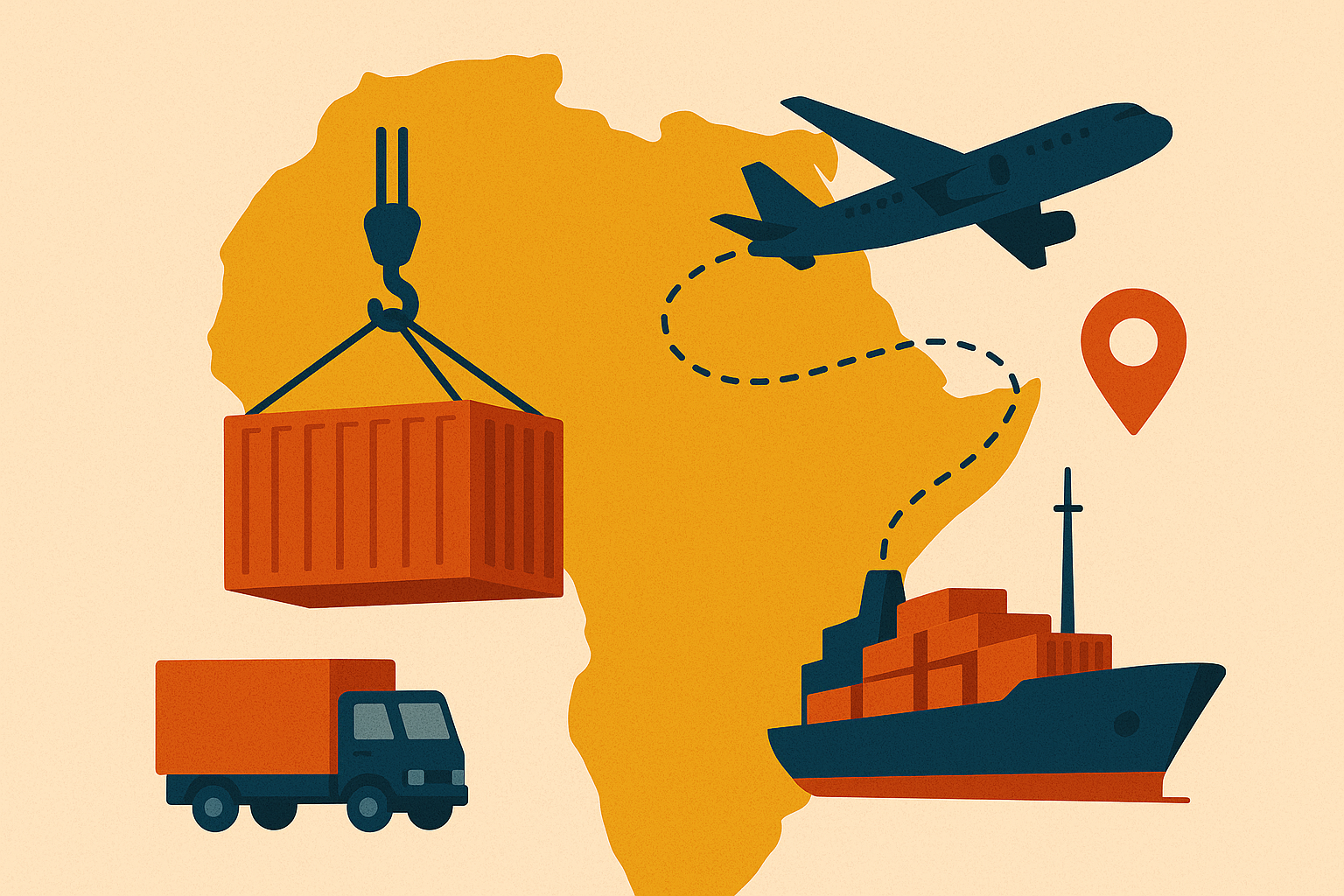
Special Guest Blog Post written by Stela Jaqueta In today’s fast-changing world, Africa’s role in global supply chains is at a tipping point. For too long, the continent has been viewed primarily as a source of raw materials rather than as a strategic partner in value creation. But what if we reimagined everything, from policies and technologies to mindsets and sustainability practices, through an Africa-centered lens? In this blog post, I explore five questions that challenge conventional supply chain thinking. From redefining Africa’s place at the global negotiation table, to elevating cultural intelligence from “soft skill” to strategic necessity, to designing climate-restorative logistics and embracing the digital revolution in a way that includes youth-led and informal businesses, each question is a call to rethink, redesign, and re-center. 1. What would a truly Africa-centered global supply chain look like? A truly Africa-centered global supply chain would shift from a model of extraction to one of empowerment and value creation. It would prioritize investment in local manufacturing, infrastructure, and knowledge transfer, ensuring that raw materials sourced from Africa are processed, packaged, and innovated on the continent. African-led businesses are seen as power players, with a voice and authority at the negotiation…