

More
supply chain
June 26, 2025
What a Buyer Wants, What a Buyer Needs
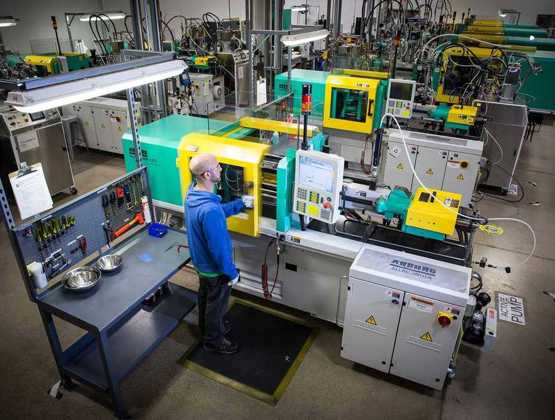
Special Guest Blog Post written by Bernadine Henderson Ms. Henderson, senior director of procurement at Protolabs, lifts the lid on buying in manufacturing and why relationships are central to it. Simply put, the job of a buyer is really about buying the right thing at the right time for the right price. It sounds simple, but it really is very complicated because everything that’s going on in the world impacts the timing, the availability, and the price of the product. This means that buying has recently got a lot more complicated. World events have very real consequences on global supply chains. Just one example is the way in which buyers have responded to tariffs in the U.S. by re-routing sourcing locations. It takes a certain amount of agility to be a buyer in 2025, and this quick responsiveness is helped along by one key ingredient, and that is strong relationships with suppliers. Relationships Built on Trust A widely held misconception is that buyers are only interested in getting to the lowest price possible. In fact, the most important thing to a buyer is for suppliers to bring solutions that deliver overall value. In my experience, a really strong supplier…
supply chain decision velocity
February 17, 2026
Accelerating Decision Velocity: Why the Future Belongs to Faster, Smarter Supply Chain Decisions
Special Guest Blog Post written by Karin Bursa, Supply Chain Industry Advisor and Supply Chain Now Host Here is a diagnostic question I use with supply chain leaders: when disruption hits, do your teams spend most of their time debating the data, debating the scenarios, debating the plan, or debating the decision? Or all of the above? Seriously though, in 2026, that distinction matters. Network shifts driven by tariffs, geopolitics, cost pressure, and sustainability are accelerating. Gartner’s 2025 U.S. Trade and Immigration Policy Survey indicate 77% of respondents selected network changes among their top actions in response to tariff impacts. [2] If the physical network is moving, the digital planning platform must move even faster. The environment is forcing decisions to be made faster, more frequently, and with more variables than ever before. Gartner says supply chain decisions are becoming 71% more complex, happening 52% more frequently, and need to be made 57% faster. That triple constraint cannot be accomplished with cadence-based batch planning cycles as a default operating model. This is why I am focused on a single, practical outcome for supply chain teams: accelerating decision velocity. The ability to move from data to insights to actions faster…