

More
planners
November 18, 2025
From War Rooms to Winning Strategies: How High-Tech Brands Tame Supply Chain Chaos
Special Guest Blog Post written by Jeff Echel and Steve Lykken with e2open Supply chain planners in high-tech don’t just manage shipments; they’re crisis managers, data detectives, and sometimes, referees in a high-stakes game of inventory tug-of-war. Why do these planners find themselves huddled in “war rooms,” surrounded by spreadsheets and urgent emails? It starts with relentless pressure: customers expect rapid, reliable service, but the reality is a maze of long lead times, outsourced manufacturing, and unpredictable global logistics. Securing critical components can take months, and a single misstep, like overstocking or missing a shipment, can ripple through the business, impacting revenue and margins. The chaos: War rooms and spreadsheet battles Add to that, the complexity of forecasting demand. Planners reconcile noisy, inconsistent data from retailers and distributors, often with little visibility, into . Forecasts are built, torn down, and rebuilt, sometimes manually, as teams try to align bottom-up channel data with top-down financial targets. Meanwhile, supply plans are constantly threatened by shortages, excess inventory, and last-minute changes. When demand surges or supply is disrupted, channels compete for limited stock, sometimes “stealing” from each other, and sometimes winning simply by being the loudest voice in the room. All of…
procurement
April 15, 2025
Enabling Procurement Professions to Tackle Scope 3 Emissions
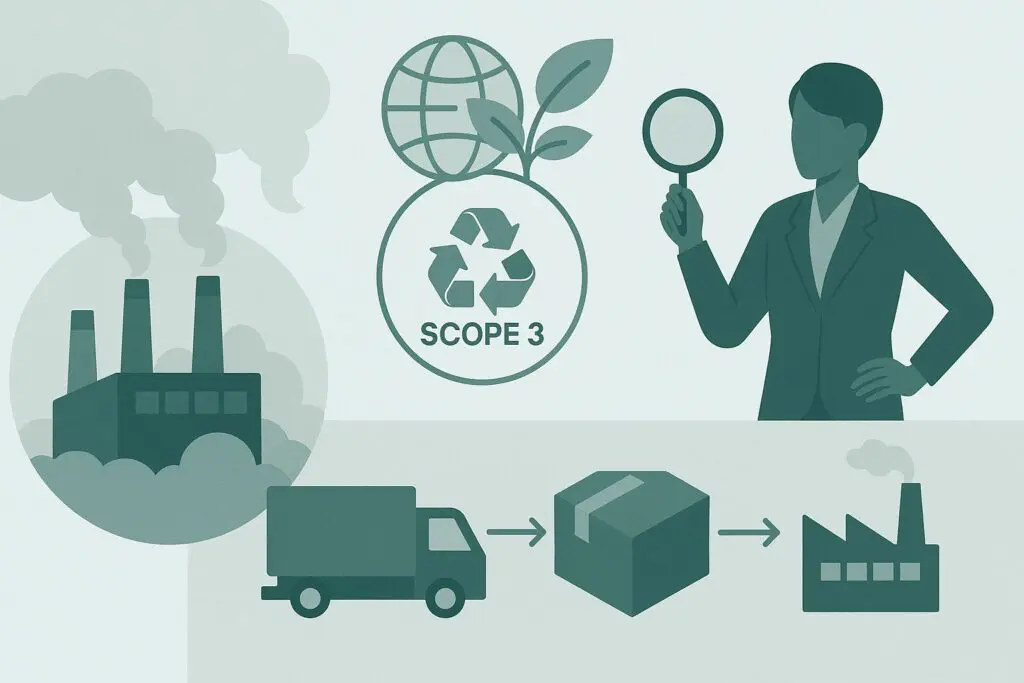
Special Guest Blog Post written by Memory Mathema Tackling climate change is one of the defining challenges of our lifetime. Understanding the implications of decarbonization is imperative to eliminating the risks that come with taking a complacent approach. Our responsibility lies in understanding the impact of our operations and acknowledging the escalating urgency to transition to a carbon neutral future and reduce the environmental footprint of all business undertakings. This is not only right for individual organizations but for the good of the whole society. South Africa ranks 14th globally in carbon emissions and stands as Africa’s leading polluter. The nation’s energy intense economy highlights its crucial role in spearheading efforts to reduce the continent’s carbon footprint and achieve net zero goals. Outdated energy generation methods, particularly coal reliance for 80% of energy needs, overshadow the country’s vast potential in hydrogen, solar and wind power. Both public and private sectors are recognizing the need for sustainable alternatives and are transitioning towards greener energy sources, fostering a shift towards sustainable carbon neutral supply chains. Addressing Scope 3 emissions, which constitute a significant portion of global greenhouse gas emissions, is necessary to delivering carbon neutrality across operations. Organizations must entrench an…