

More
AI
October 21, 2025
Peak Season Logistics: How Smart Inbound Flow Drives Golden Quarter Profits
Special Guest Blog Post from e2open From demand sensing to dynamic allocation, here’s how leaders turn peak season logistics into profit Call it Q4, The Golden Quarter, or Peak Season—it’s the 100-day sprint through fall and winter holidays where profits soar, plans tighten, and one slip leaves you scrambling through January. Across peak season logistics, most companies obsess over outbound speed. Yet the real winners are brands that master inbound logistics flow months earlier. Getting the right inventory to the right locations isn’t glamorous, but it’s where the margins live. Every peak season playbook demands strategic evolution. Rerun last year’s strategy this quarter and you’ll sink—unless you’ve built sophisticated inbound logistics capabilities, airtight supplier partnerships, and precise forecasting to anticipate market shifts. With the right strategy, you can stride into the Golden Quarter. That means: Smarter forecasting that detects demand shifts before they hit Sharper allocation that puts inventory exactly where it’s needed Replenishment planning that maintains flow under pressure On Time in Full (OTIF) execution that keeps products moving and shoppers happy In peak season, accuracy wins. Miss inbound positioning, and your bottom line misses too. Inbound planning: The difference between stockouts and sales Golden Quarter demand…
May 8, 2020
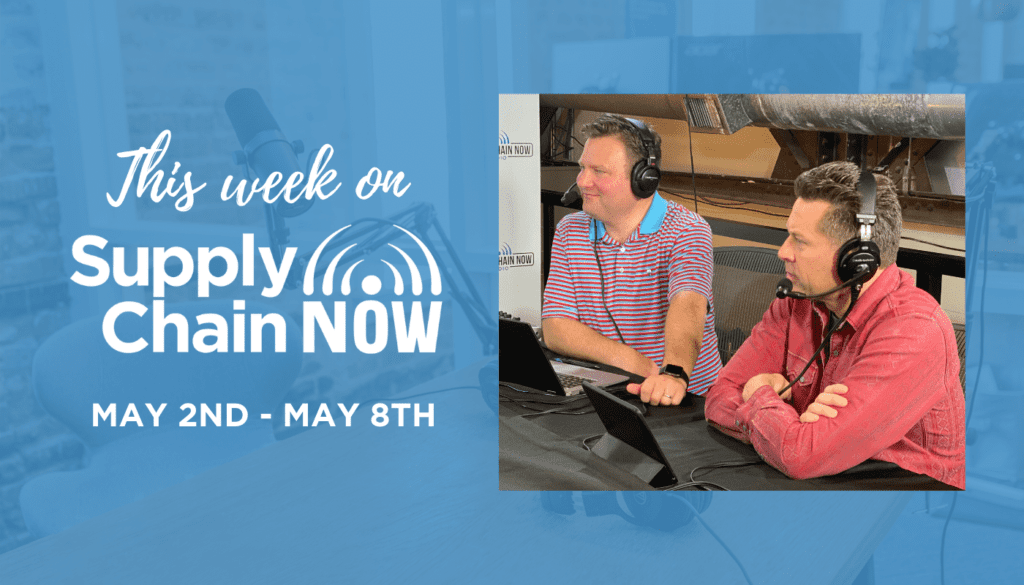
This Week in Supply Chain Now: May 2nd – 8th
Another great week here at Supply Chain Now! Have you listened to all the episodes? If not, no worries! Check them all out here: We added a special Saturday episode on May 2nd and featured the first of three speakers from the 2020 AIAG CR Summit and their insights from the conference. First up was Michael Wurzman… …Then on Monday we featured Tolga Yaprak with iPoint… …And then on Tuesday, we featured Bruno Sarda. On Wednesday, we published another episode in the fantastic Logistics with Purpose series sponsored by Vector Global Logistics. Our special guest was Lauren Noce with Hungry. Then we published the new and improved Supply Chain Buzz, with Scott and Greg sharing and discussing the latest news and events in Supply Chain and beyond. And to wrap up the week, Scott chatted with the Resilience360 team about their upcoming webinar about the 2020 Hurrican Season. Which was your favorite episode? Make sure you tune in next week for more great conversation, timely topics, and exceptional guests on Supply Chain Now!