
More
October 23, 2020
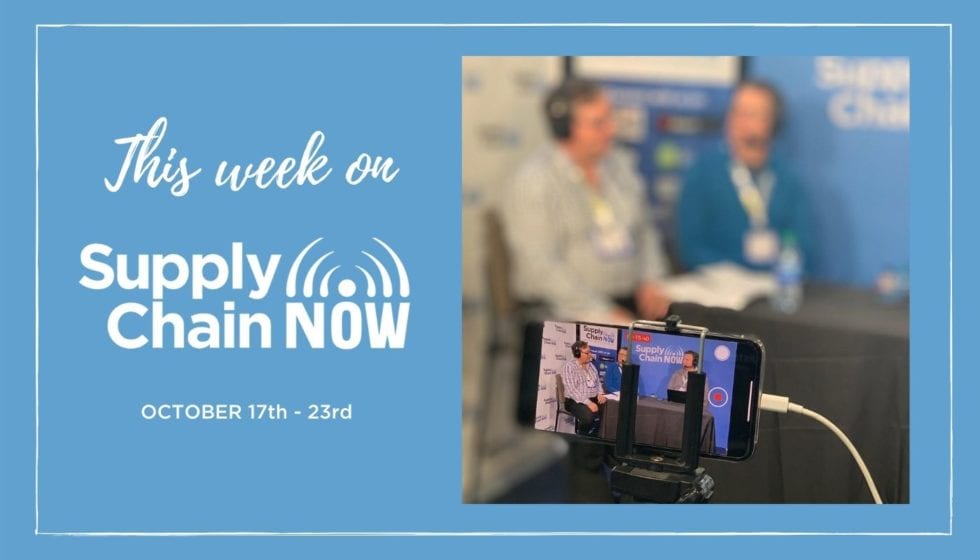
This Week on Supply Chain Now: October 17th – 23rd
This week at Supply Chain Now has been full of great conversations and key takewaways you don’t want to miss. Check out all the latest episodes, interviews, conversations, and livestreams right here! On Saturday, Scott & Greg Chat Automotive & Leadership with Jim Liegghio & Elba Pareja-Gallagher On Monday, Scott and Greg welcome SAP business leaders that are fueling industry 4.0, Mike Lackey and Robert Merlo, who share key takeaways from a wide variety of initiatives right here. On Tuesday, Scott and featured guest Jonathon Karelse, CEO of Northfind Management, lead the conversation surrounding the next big idea for decision making and planning in most companies: Behavioral Economics. On Wednesday, Scott and Greg hosted welcomed Kara Brown and Will Haraway from LeadCoverage to Supply Chain Buzz where they discussed recent developments in supply chain, key takeaways surrounding customer experience, democratization in the TMS space and technology trends. On Thursday, Scott and Greg welcomed two business leaders from OMNIA Partners, Lisa Wittmer and Dan Grant, for a discussion on how modern GPO is future-proofing the global supply chain. And we ended the week with an episode of TECHquila Sunrise. Featured guest Jason Perez, CEO of YARDZ,…
May 28, 2021
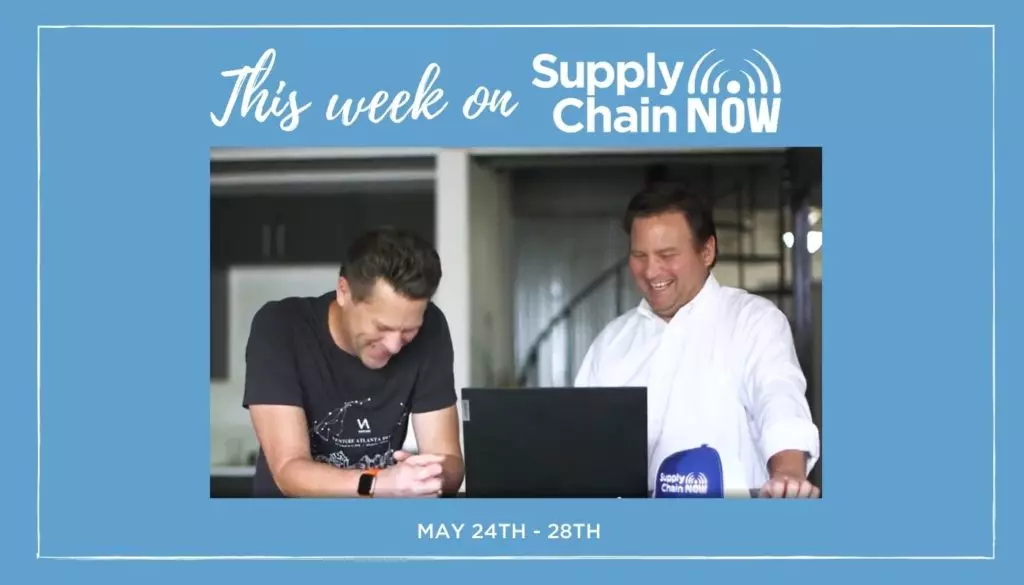
This Week In Supply Chain Now: May 24th – 28th
What’s been happening at Supply Chain Now? This week, our program hosts welcomed many special guests this week to talk about startup growth, manufacturing, procurement, and, of course, supply chain! Check out the latest interviews, conversations, and podcast episodes right here! On Monday, we released 2 new episodes! In this episode of Dial P for Procurement, hosts Kelly Barner, Scott Luton, and Kim Winter welcome special guest Sam Achampong to talk about why it’s absolutely crucial for procurement to be aligned with your overall business strategy. On This Week in Business History, host Scott Luton delves into the story of Dr. Lillian Gilbreth, whom many refer to as “the Mother of Modern Management” and “America’s First Lady of Engineering”. On Tuesday, we released 2 new episodes! On this episode of Supply Chain Now, Lora Cecere, Founder of Supply Chain Insights, sat down with Scott Luton and Greg White to discuss COVID-19’s impact on software development, chip shortages, supply chain performance metrics, and more! On TECHquila Sunrise, host Greg White welcomed Jack Freeman of PeakSpan Capital to hear his path from startup to the investor seat, including what he’s learned, what he’s still learning and some new areas that he’s getting…