

More

August 29, 2025
Modified Agile for Electronics Development: A Smarter Path to High-Value Solutions
Modified Agile for Electronics Development Electronics development has never been more complex—or more critical. Traditional waterfall methods often slow teams down with long cycles, costly redesigns, and missed deadlines. While software teams have thrived with agile, hardware development requires a different approach. This white paper introduces the Modified Agile for Hardware Development (MAHD) Framework™, designed specifically for electronics teams. By adapting agile principles to hardware’s unique challenges, MAHD enables faster timelines, reduced risk, and higher-value solutions. If your organization struggles with shifting requirements, late-stage changes, or cross-disciplinary silos, this guide provides a smarter way forward. Why Download This White Paper? Understand why traditional methods fall short and how hardware-specific agile solves the challenges waterfall and “faux agile” can’t. Get a clear introduction to the MAHD Framework™, a proven model that accelerates development by 25–50% while reducing costly risk. Learn practical strategies and tools—from system-level user stories and tailored prototyping to Altium’s solutions for agile electronics success. What You’ll Take Away: A framework purpose-built for hardware and electronics – not a software agile retrofit Practical methods to reduce wated effort, improve predictability, and accelerate time-to-market Real-world examples of how electronics teams can align strategy, execution, and customer…
May 1, 2020
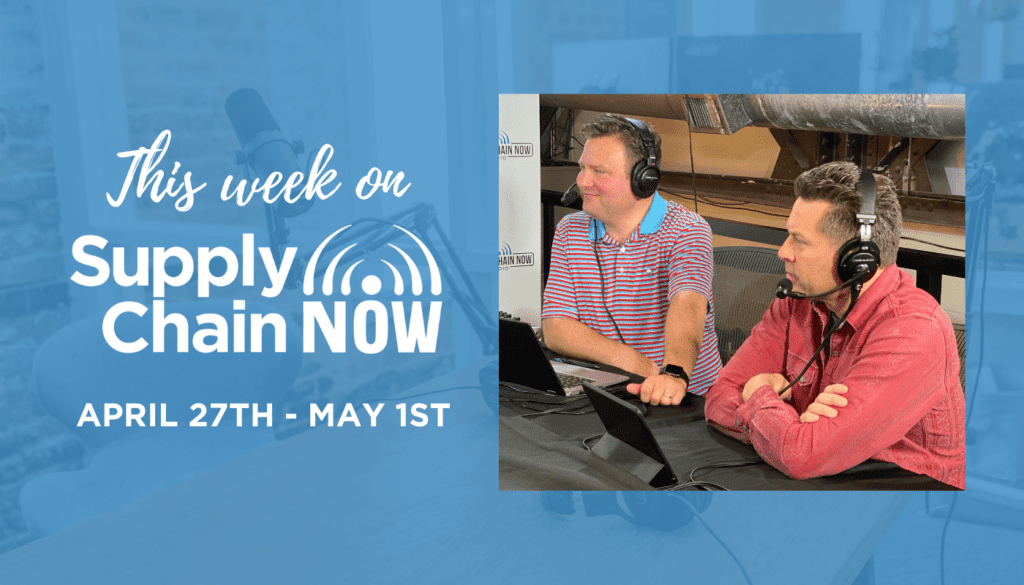
This Week at Supply Chain Now: April 27th – May 1st
BIG THINGS happening here at Supply Chain Now! Have you listened to all the episodes from this week? If not, no worries! Check them all out here: We started out the week wrapping up our last episode from MODEX 2020 with supply chain visionary Diego Pantoja-Navaja with Oracle. Supply Chain Now · “Supply Chain Visionary: Diego Pantoja-Navajas with Oracle” On Tuesday, Scott and Greg were joined by Enrique Alvarez and Adrian Purtill with Vector Global Logistics as they continued the Logistics with Purpose series with special guest Patrick Plonski with Books for Africa. Supply Chain Now · “Logistics with Purpose: Patrick Plonski, PhD with Books for Africa” Then we published the new and improved Supply Chain Buzz, with Scott and Greg sharing and discussing the latest news and events in Supply Chain and beyond. Supply Chain Now · “The Supply Chain Buzz: Week of April 27th” Scott and Greg were joined by Bobby Holland with U.S. Bank and Lee Klaskow with Bloomberg Intelligence on Thursday as they discussed the key takeaways from the Q1 2020 U.S. Bank Freight Payment Index. Supply Chain Now · “Analysis of Q1 2020 U.S. Bank Freight Payment…