
More
AI
October 21, 2025
Peak Season Logistics: How Smart Inbound Flow Drives Golden Quarter Profits
Special Guest Blog Post from e2open From demand sensing to dynamic allocation, here’s how leaders turn peak season logistics into profit Call it Q4, The Golden Quarter, or Peak Season—it’s the 100-day sprint through fall and winter holidays where profits soar, plans tighten, and one slip leaves you scrambling through January. Across peak season logistics, most companies obsess over outbound speed. Yet the real winners are brands that master inbound logistics flow months earlier. Getting the right inventory to the right locations isn’t glamorous, but it’s where the margins live. Every peak season playbook demands strategic evolution. Rerun last year’s strategy this quarter and you’ll sink—unless you’ve built sophisticated inbound logistics capabilities, airtight supplier partnerships, and precise forecasting to anticipate market shifts. With the right strategy, you can stride into the Golden Quarter. That means: Smarter forecasting that detects demand shifts before they hit Sharper allocation that puts inventory exactly where it’s needed Replenishment planning that maintains flow under pressure On Time in Full (OTIF) execution that keeps products moving and shoppers happy In peak season, accuracy wins. Miss inbound positioning, and your bottom line misses too. Inbound planning: The difference between stockouts and sales Golden Quarter demand…
September 3, 2021
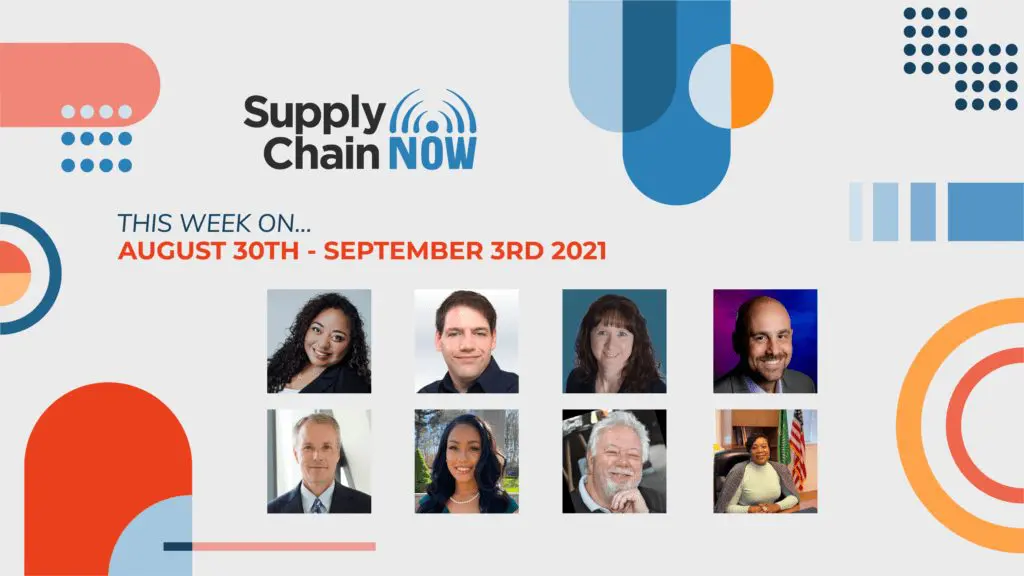
This Week In Supply Chain Now: August 30th – September 3rd
Stay up to date on all the latest conversations, interviews, and episodes we released this week here at Supply Chain Now. We started our week off with a Dial P for Procurement episode hosted by Kelly and Scott. They welcomed Member Services Manager at Una, Crystal Villareal and Philip Ideson, Founder and Managing Director, Art of Procurement. During the show, they discussed how to convert your vision for customer experiences into a set of tasks and priorities that guide your daily work and more. On This Week in Business History, Kelly has a very exciting lineup of stories! The topics in this episode ranged from the founder of the first African-American magazine to the introduction of the ATM. On Tuesday, Scott had the great opportunity of interviewing Dan Gingiss, Chief Experience Officer at The Experience Maker, LLC. In this episode, Scott talks with Dan about the secrets behind crafting remarkable customer interactions. On Wednesday, we published another episode of Logistics With Purpose with hosts Enrique Alverez, Matilda Ahrin, and Books for Africa’s Pat Plonski. The special guest for this episode was Madame Ambassador Hilda Suka Mafudze with the African Union. As you listen to this episode, look forward to learning…