

More
July 3, 2020
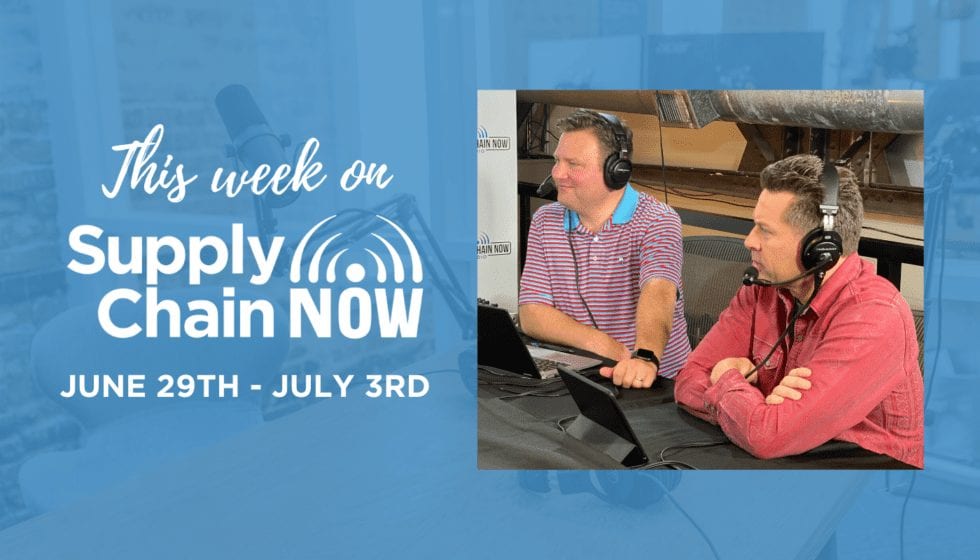
This Week on Supply Chain Now- June 29th – July 3rd
Another great week here at Supply Chain Now! Did you catch all the episodes? If not, you can check them all out here: We kicked off the week with This Week in Business History, where Scott looks back at some of the biggest historical events in business history for the week ahead. Supply Chain Now · “This Week in Business History for June 29th: The U.S. Interstate Highway System” Then on Tuesday, Scott and Greg welcomed Cynthia Curry with the Metro Atlanta Chamber and Jasmine Crowe with Goodr to the podcast for a conversation about redirecting excess prepared food and so much more. Supply Chain Now · “Feed More & Waste Less: Jasmine Crowe with Goodr” On Wednesday, we continued our new series, TECHquila Sunrise with Greg White, where Greg shares the latest investments, acquisitions, innovations, and glorious implosions in Supply Chain Tech every week. Supply Chain Now · “Top 25 Startup Ecosystems, Inclusive Investing, & Big Deals: TECHquila Sunrise with Greg White” On Thursday we published the Supply Chain Buzz, where Greg and Scott discussed the top supply chain news of the week. Supply Chain Now · “Supply Chain Buzz for June 29th:…
circular supply chain
April 10, 2026
Critical Mass: Inside the Coalition Building America’s Circular Supply Chain
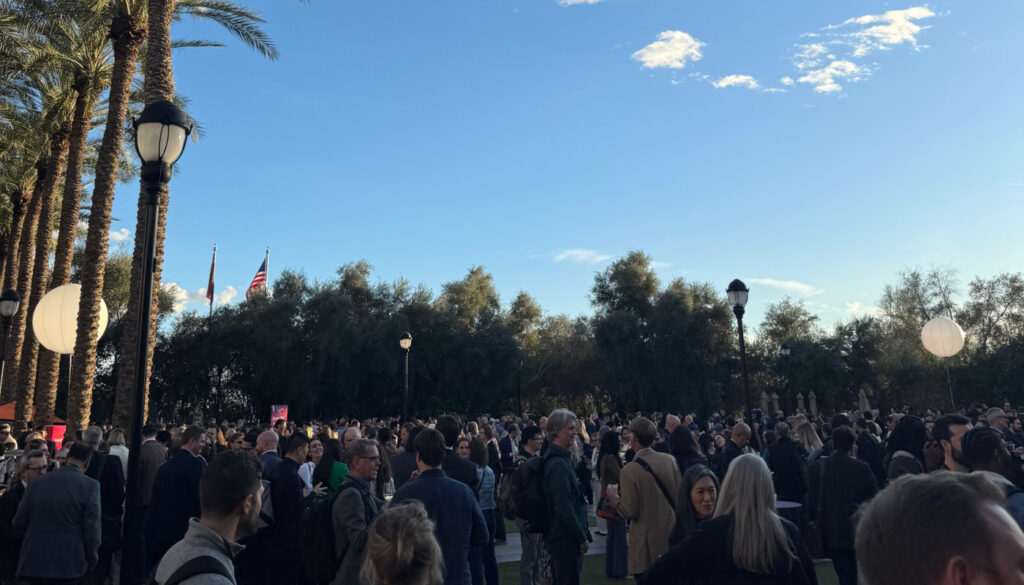
written by Deborah Dull, on site at GreenBiz 2026 It started over drinks, 80s music, and a shared frustration that has probably launched more good organizations than any strategic planning process ever has. The Circular Supply Chain Coalition, or CSCC, came out of a realization that a lot of the right work was already happening, in reverse logistics, in remanufacturing, in local procurement, in community-based value chains, but nobody had connected it. The people doing the work were not in the same room. The companies with the materials were not talking to the processors who could recover them. The states with enabling policies were not linked to the investors looking for exactly those environments. So the coalition became, as its founders describe it, a collector of collectors. The focus right now is on three priority waste streams: batteries, semiconductors, and e-waste. These were not chosen randomly. They have two elements in common. They carry geopolitical consequence, meaning the supply chains behind them are controlled by other countries and that is a known vulnerability. And they have business cases that a CFO can actually evaluate. That second part matters more than people in the sustainability world usually admit. The hub…