
More
November 20, 2020
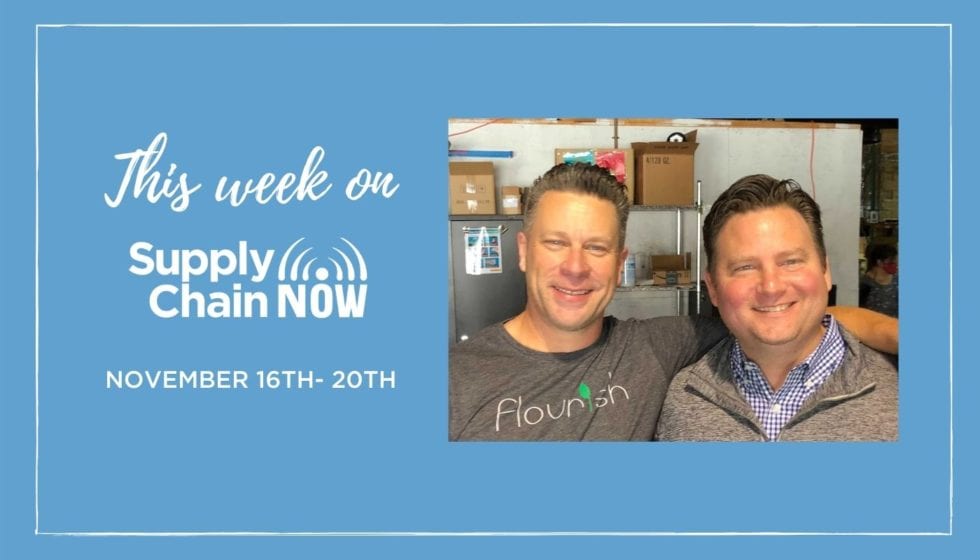
This Week on Supply Chain Now: November 16th – November 20th
Supply Chain Now has been full of great conversations, key takeaways, and inspiring stories from some amazing business leaders this week. Make sure you catch all the latest episodes, interviews, conversations, and livestreams right here for all the hottest supply chain news! On Saturday, Steve Britt, senior manager for customs at Fiat Chrysler Automobiles, joins us in partnership with AIAG – Automotive Industry Action Group’s 2020 Supply Chain Summit to talk about his role and thepartnership between industry and US Customs and Border Protection. On Monday, Scott and the Vector Global Logistics team sat down with Steven Stirling from MAP International for an episode of our Logistics with Purpose series to hear Steven’s inspiring story that made him dedicate his life to bringing critical medicines and health supplies to some of the world’s poorest people. On Tuesday, TEK TOK Digital Supply Chain Podcast with host Karin Bursa welcomed industry trailblazer Lora Cecere, CEO of Supply Chain Insights, to hear about Lora’s career path On Wednesday, Scott and Greg sit down with Bob Bova from AccuSpeechMobile to the Supply Chain Buzz to talk about how voice automation in the warehouse is increasing producitivity and announcing na…
digital supply chain
February 27, 2026
Five Key Supply Chain Trends for 2026: Navigating the Road to Transformation
This post is written by our friends at e2open. E2open is the connected supply chain software platform that enables the world’s largest companies to transform the way they make, move, and sell goods and services. Moving as one.™ Learn More: www.e2open.com. Supply chains are entering a pivotal stretch of highway into the future. It’s a route marked by regulatory detours, geopolitical potholes, and rising expectations for speed, intelligence, and resilience. The journey ahead demands connected data, embedded AI, and agile decision-making. Below are the five major “mile markers” defining the road to supply chain transformation, and how e2open helps organizations navigate the way forward with confidence. 1. Tariff and non‑tariff compliance risks: avoiding costly road hazards Tariff volatility and non‑tariff barriers create regulatory road conditions that can change quickly. For cost-focused leaders, this unpredictability can feel like driving through dense fog. One wrong move can result in delays, penalties, or unplanned expenses. Forward‑thinking organizations are installing automated guardrails: integrated trade compliance systems, dynamic landed‑cost modeling, and synchronized import/export workflows. These tools help reduce blind spots and ensure companies don’t veer into costly territory. The e2open Global Trade suite puts the world’s most comprehensive, continuously updated regulatory content directly…