
More
December 11, 2020
Understanding Logistics: A Discussion with Scott Luton, Founder & CEO of Supply Chain Now.
Scott Luton was featured in two episodes of Rethinking Supply Chain, hosted by Venzee CEO, John Abrams: Understanding Logistics: A Discussion with Scott Luton, Founder & CEO of Supply Chain Now. John got connected with Scott after listening to one of our podcast episodes that dove into the physical and automated aspects of supply chain. Listen to Part One of the interview HERE Listen to Part Two of the interview HERE
October 29, 2020
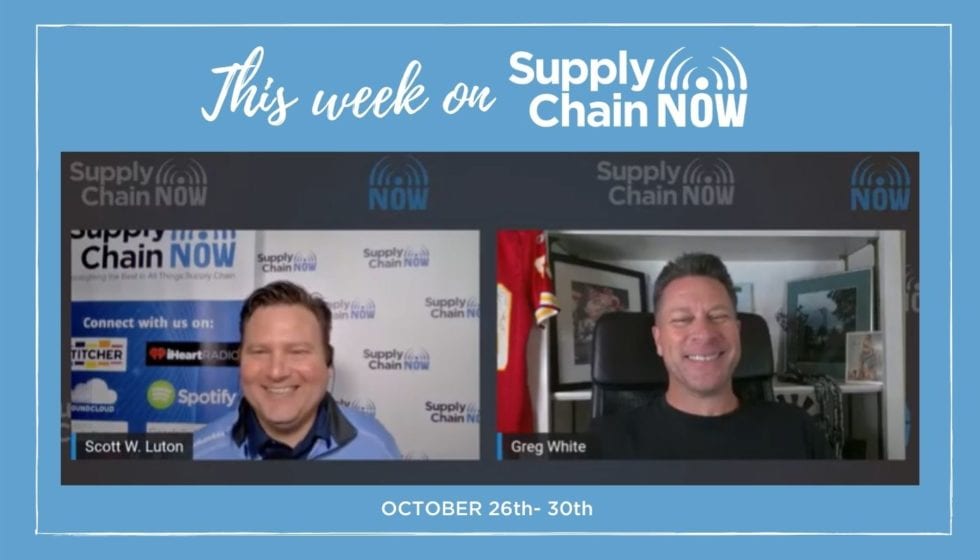
This Week on Supply Chain Now: October 26th – 30th
It’s been a great week on Supply Chain Now! Make sure you’re up to date on all the latest episodes, interviews, conversations, and livestreams right here. On Saturday, Kelly Barner with Buyers Meeting Point joined Scott and Greg on the podcast to share her thoughts on the priorities & challenges within procurement as well as key takeaways involving GPO & Mastermind Live 2020. On Monday, Scott and Greg welcome Diego Martinez with Coca-Cola and Mike Lackey with SAP to dive into the critical role supply chain plays in Atlanta, full of key takeaways that relate back to business regardless of where you live. On Tuesday, Phil Rich, SVP & CSCO with Sweetwater, shares his perspective with Supply Chain Now Co-hosts Greg White and Scott Luton on how to guarantee quality customer experiences. On Wednesday, Scott and Greg hosted the Supply Chain Buzz where they welcomed HR Expert & Consultant John Holly, who shared everything you need to know when it comes to supply chain talent right now. On TECHquila Sunrise this Thursday, Greg White reflected on the best moments from the podcast since August with featured technology founders, investors, and visionaries. We ended the week…