
More
June 10, 2021
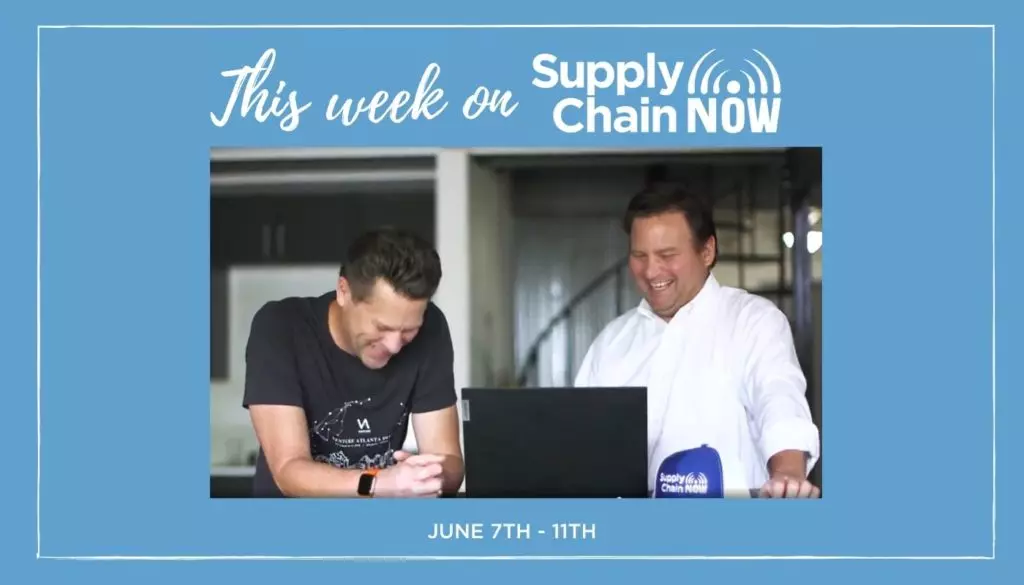
This Week In Supply Chain Now: June 7th – 11th
Keep up with all the latest conversations, interviews, and episodes right here on Supply Chain Now as we look back on everything that’s happened this week! On Monday, we released 3 new episodes! On Digital Transformers on Supply Chain Now, hosts Kevin L. Jackson and Scott Luton welcome Dr. Evaristus Mainsah, with IBM, to the show to discuss IBM think #2021, post-pandemic digital transformation, using AI to make your workforce even more effective, and exactly what drives innovation. On This Week in Business History, guest host Kelly Barner, Owner of Buyers Meeting Point and Host of Dial P for Procurement remembers key innovations, inventions, and firsts that took place between June 7th and 13th, including the questionable career of Samuel Slater, the tricky first passing of the Panama Canal, and how the Post Office stopped the shipment of children through their national parcel service. On Supply Chain Now en Spanish, host Enrique Alvarez interviews Sofia Rivas Herrera learning about her journey from curious child to industrial engineer to supply chain leader and much more. On Tuesday, we released 2 new episodes! On our Logistics with Purpose series, produced in partnership with Vector Global Logistics, as Pat Plonski, Executive Director of…
October 9, 2020
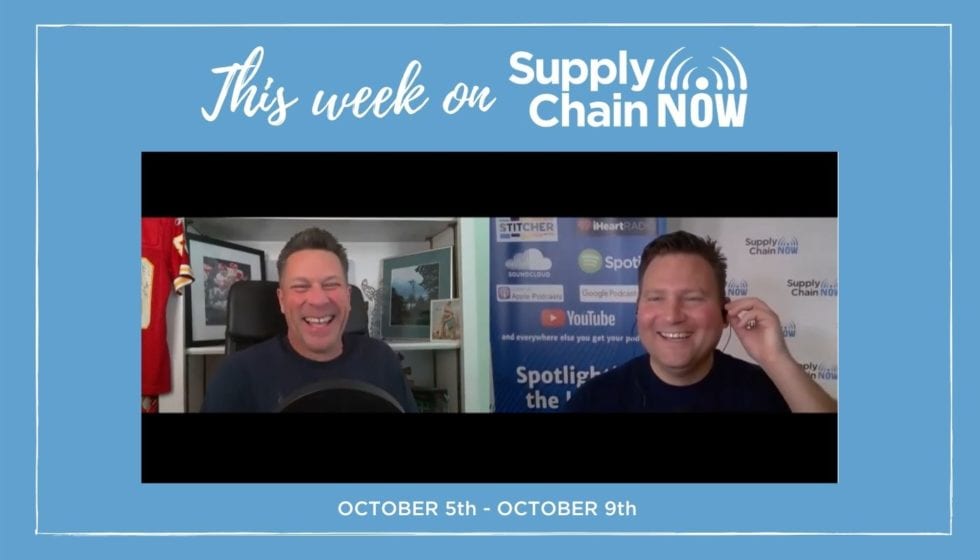
This Week on Supply Chain Now: October 5th – 9th
We continued this week on Supply Chain Now with more great interviews, conversations, livestreams, and episodes! Did you miss any episodes? On Monday, Scott and Karin Bursa introduced our newest Supply Chain Now program, TEKTOK, to our audience! On Tuesday, Scott and Greg welcomed Dan Reeve with Esker back to Supply Chain Now for a conversation about increasing supply chain visibility and cash flow. We published our Supply Chain Buzz on Wednesday, where Scott & Karin discussed the top news in supply chain for the week, and also welcomed featured guest, Lora Cecere with Supply Chain Insights to the podcast. On Thursday, we continued with the second half of Greg’s interview with Sarah Barnes-Humphrey for TECHquila Sunrise. And to wrap up the week, Scott and Greg welcomed Ashfaque Chowdhury, PhD with XPO Logistics to the podcast for a great conversation. Which was your favorite episode this week? Never miss an episode by subscribing to Supply Chain Now! Make sure you tune in next week for more great conversation, timely topics, and exceptional guests.