

More

supply chain analytics
September 8, 2026
Giving Time Back: How Smarter Procurement Can Support Education’s Mission
In schools and childcare centers, every dollar counts. But there’s another resource that may be just as precious: time. In a recent conversation with Scott Luton, Ashley Hubka, SVP & GM of Walmart Business, explored the often-overlooked role procurement plays in education. From preparing for the back-to-school rush to managing staff shortages and embracing AI, Hubka’s message was consistent: Simplifying routine purchasing can give educators and administrators more time to focus on the people they serve. And that opportunity may be substantial: according to a recent survey of more than 500 decision-makers at businesses with 10–500 employees, 37% of business leaders spend 4–7 hours each week on routine purchasing. Different Organizations, Similar Challenges A school district serving 30,000 students and a childcare center supporting 500 children may operate at vastly different scales, but Hubka says their procurement challenges often look surprisingly similar. Both organizations must stretch budgets, stay stocked, support multiple users and locations, and respond quickly when needs change. When purchasing is fragmented across suppliers and systems, they face increased complexity and reduced visibility. The back-to-school season magnifies those challenges. “Back-to-school condenses months of planning and purchasing into a very short window,” Hubka explained. At the same time organizations…
supply chain sustainability
July 2, 2024
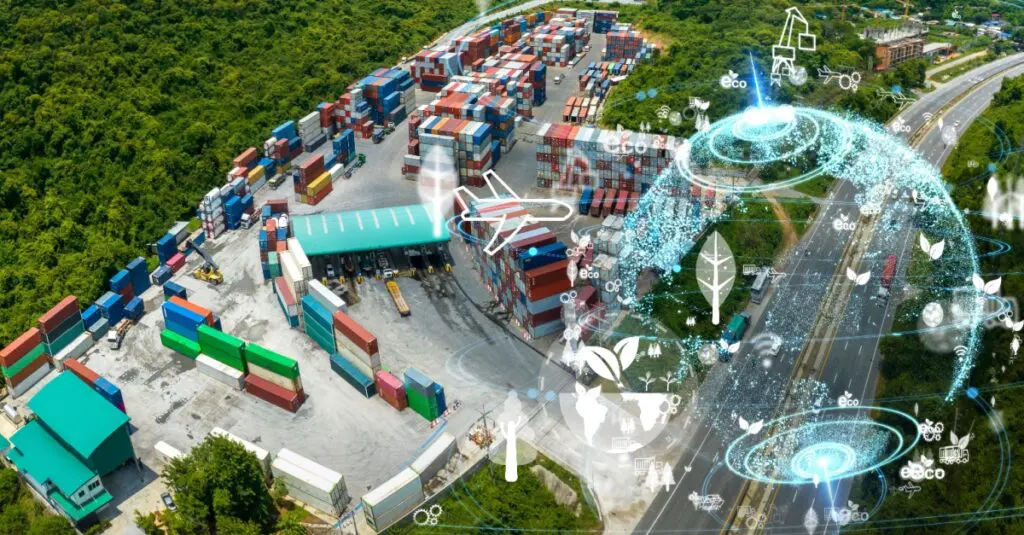
Guide to Sustainability in Logistics: Implementing Eco-Friendly Practices
The logistics and transport sector contributes about 24% of global CO2 emissions. Considering the push for supply chain sustainability across different sectors, the need for lower emissions has been heating up in recent years. With roughly a quarter of the world’s emissions tied to logistics, this industry will possibly be the final frontier to tackle regarding sustainability. While different strategies can be leveraged to reduce the impact of logistics operations on the environment, integrating eco-friendly practices and reducing Scope 3 emissions are some of the most pressing initiatives at hand. This article serves as a guide that will provide actionable steps for companies to embrace innovative solutions and navigate the transition toward a greener future. Scope 3: Understanding Supply Chain Emissions Modern supply chain management outsources different parts of the operation to leverage the expertise of different suppliers and stakeholders. Logistics operations are usually outsourced to third-party providers, and exercising control over their operations and monitoring their sustainability practices and emissions can be challenging. Here’s the harsh reality: no matter how well an organization manages to reduce Scope 1 and 2 emissions, the unaddressed Scope 3 emissions can bring the entire process to a screeching halt. This is especially true…