

More

March 13, 2020
Some store shelves quickly empty but experts say it’s short term
Our Principle & Host Greg White was featured in the AJC article “Some store shelves quickly empty but experts say it’s short term” in regards to the rush on household staples preparing for the Coronavirus. VIEW ARTICLE HERE.
July 30, 2021
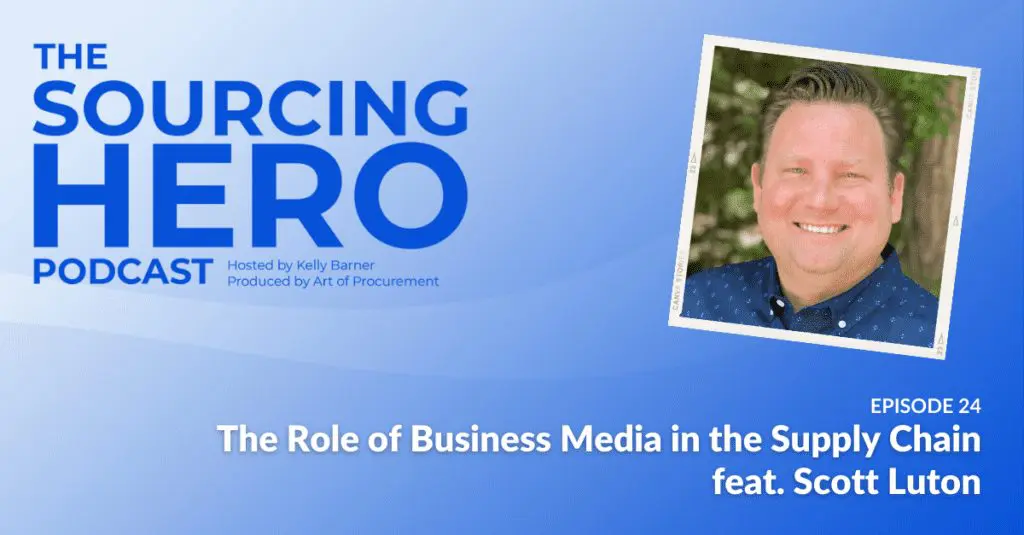
Supply Chain Now CEO, Scott Luton, Featured on The Sourcing Hero Podcast
As Kelly Barner, host of Dial P for Procurement here on Supply Chain Now and host of The Sourcing Hero, says, “The volume of business content being created, shared and discussed every day can feel overwhelming, especially if you are trying to stay on top of best practices and make the most of your professional network. How we choose to spend our scarce listening and watching time is an important decision, and with many (many!) options, each content creator has to find a way to bring unique perspectives and value to their community.” Our CEO, Scott Luton, was recently invited to be Kelly’s guest on The Sourcing Hero podcast, and shares why it is just as important to understand a professional’s journey as it is to listen to their point of view on their area of expertise, the role of business media in helping individuals and teams deal with the challenges they face on a daily basis, and why we all need to look for and celebrate good news as often as we can. Listen to the Podcast Episode Here.