

More
August 21, 2020
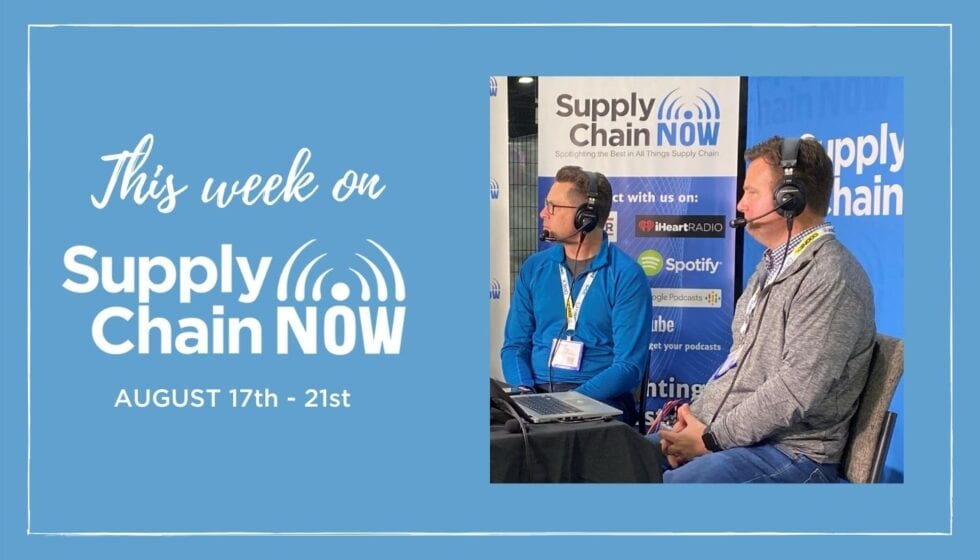
This Week on Supply Chain Now: August 17th – 21st
Another BIG week at Supply Chain Now! If you missed an episode, get a quick summary and listen here! On Monday, we published a new episode in This Week in Business History. Scott shared the stories of a few retail legends, the birth of Motown, and more! Supply Chain Now · “This Week in Business History for August 17th: Retail & Radio Legends are Born” We continued the Today in Manufacturing series on Tuesday as Kelly Scheib with Proterra joined Laura Madajewski, Jason Moss, and Scott on the podcast on Tuesday. Supply Chain Now · “Serving the People Behind the Numbers: Kelly Scheib with Proterra” On Wednesday, we published this week’s Supply Chain Buzz, where Scott and Greg shared the top supply chain stories of the week. Supply Chain Now · “The Supply Chain Buzz for August 17th: Imports Up, Cold Chain Explosion, & Good News” On Thursday, we shared an excellent interview on supply chain leadership as Scott & Greg spoke with Rick Blasgen, the President & CEO of CSCMP. Supply Chain Now · “Leading the Supply Chain Industry Forward: Rick Blasgen with CSCMP” And we wrapped up the week a little…
book club
February 27, 2026
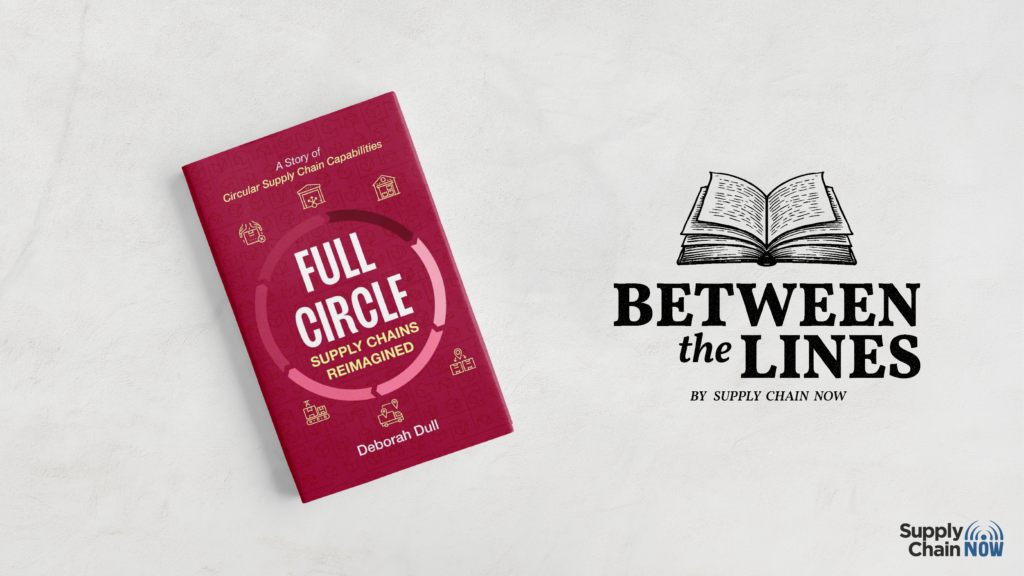
Risk, Reinvention & Readiness: Between the Lines for February 2026
Last month, we launched Between the Lines, our Supply Chain Now book club, with a simple idea: the best leaders don’t just consume headlines, they read deeply, think critically, and stay curious. The response to our first edition reminded us how powerful shared learning can be! This month, we’re building on that momentum with fresh selections designed to challenge perspectives, spark new ideas, and strengthen the way we think, innovate, and navigate an ever-evolving global landscape. Check out a few of the selections the Supply Chain Now team recommends from February 2026: Scott Luton: The 2028 Global Intelligence Crisis from Citrini Research Imagine a short-term future where the very technology we hail as humanity’s next great productivity engine becomes essentially the source of a global economic crisis. “The 2028 Global Intelligence Crisis” from Citrini Research is a thought experiment that projects just such a scenario: by 2028, rapid and widespread AI adoption has supercharged productivity yet hollowed out the consumer economy, driving unemployment above 10% and triggering a deep market downturn as traditional spending collapses despite booming output. In this speculative, but unsettling, framework, AI doesn’t fail, it succeeds so overwhelmingly that the economy it was meant to…