

More

October 3, 2025
Leveraging ERM to navigate emerging tariffs and supply chain risks
Leveraging ERM to navigate emerging tariffs and supply chain risks With recent tariff hikes and geopolitical shifts, supply chain risks are more urgent than ever. 63% of businesses reported higher-than-expected supply chain losses despite increased risk management efforts in recent years. Leveraging ERM to navigate emerging tariffs and supply chain risks explores the distinct challenges of a stressed global market and shows how ERM can enhance efforts in identifying, escalating, and responding to emerging supply chain threats. Key areas explored in the guide: Supply chain risks affected by increased tariffs. Why engaging ERM to address supply chain risks is crucial. 8 proactive strategies for addressing emerging supply chain risks. Ready to start engaging ERM to respond to emerging supply chain risks with agility and speed? Download the free guide now
June 24, 2021
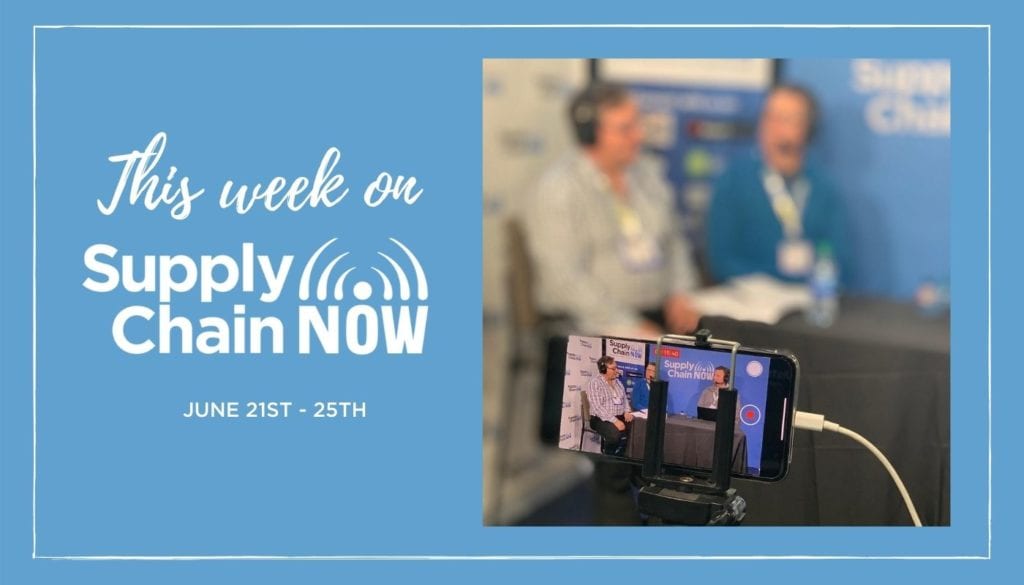
This Week In Supply Chain Now: June 21st – 25th
It’s a supply chain summer! Check out all the latest conversations, interviews, and episodes we released this week here at Supply Chain Now. On Monday, we released 3 new episodes! On this episode of Supply Chain Now, Ratelinx’s Nate Endicott, Senior Vice President of Global Sales and Alliances, and Andrew Hooser, Vice President of Customer Solutions, discuss their company’s journey with Co-hosts Greg White and Scott Luton. On This Week in Business History, host Scott W. Luton picks up on the story of 3 legendary pioneers: Marie Curie, Alan Turing and Ed Bradley. On Supply Chain Now en Espanol, host Enrique Alvarez welcomes special guest Demos Perez to the podcast to get an update on supply chain and logistics in Panama and the rest of Latin America. On Tuesday, Mike Griswold, Vice President of Research at Gartner, joined our hosts Scott Luton and Greg White on the Supply Chain Now podcast to talk about the latest in retail supply chains from an analyst’s perspective. On Wednesday, Gifts for Good’s Chief Impact Officer Jenise Steverding joined our Logistics with Purpose podcast to share how she melded a knack for logistics with a propensity for giving back with hosts Enrique Alvarez and…