

More
supply chain podcast
April 8, 2025
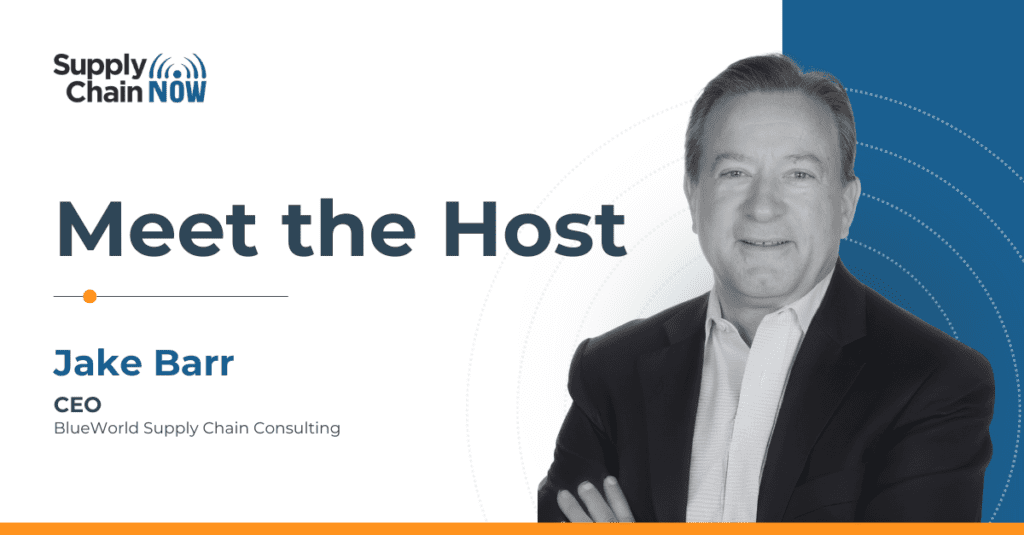
Meet the Supply Chain Now Host: Jake Barr
Supply Chain Now is the voice of the supply chain industry, and our hosts are experts in the field. Podcast listeners and webinar viewers tune in to hear the sage advice of host Jake Barr, heralded as an architect of global supply chain strategy and creator of “profit powerhouses.” Earning His Spot on Stage Barr today is the CEO of BlueWorld Supply Chain Consulting, which provides support to such Fortune 500 companies as Cargill, Caterpillar, 3M, PepsiCo, and Pfizer and helps them bring products to market. “We place a premium on accelerating speed to market by leveraging supply chain transformation,” he says. “The result is better operating margin performance and the opportunity to drive faster growth in revenue.” During his more than 33 years with Procter & Gamble, Barr served as the global director of supply network operations and led the end-to-end planning transformation project, which created control towers that now manage the daily business globally and earned him recognition as the architect for the company’s demand-driven supply chain strategy. He served on the MIT Center for Transportation & Logistics advisory council for its Supply Chain 2020 Project, was named to the League of Leaders for retail and consumer goods…
August 25, 2025
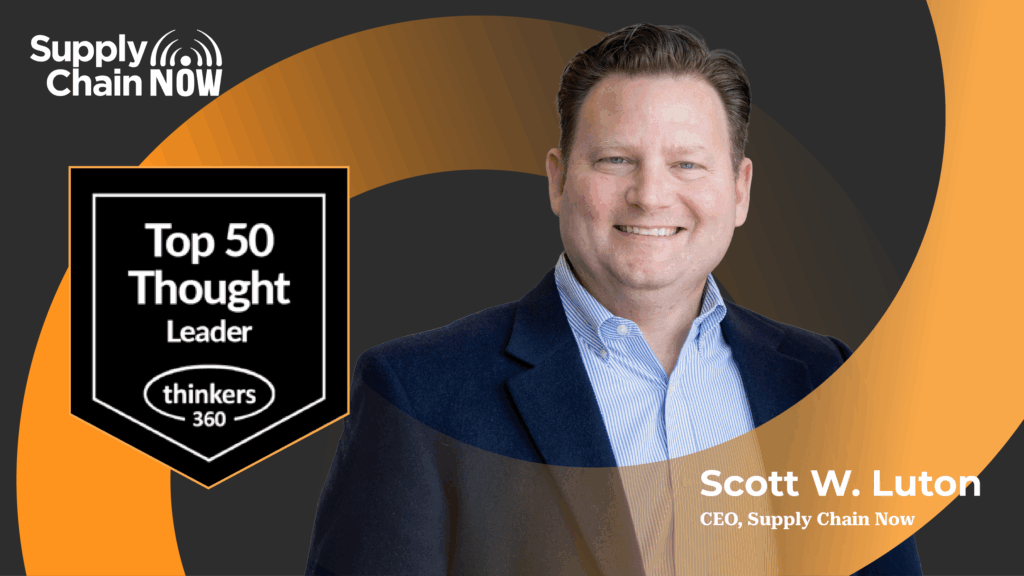
Scott Luton Named #1 Global Thought Leader & Influencer on Supply Chain 2025 by Thinkers360
We are proud to announce that Scott Luton, Founder and CEO of Supply Chain Now, has once again been recognized as the #1 Global Thought Leader and Influencer on Supply Chain for 2025 by Thinkers360—marking his second consecutive year at the very top of this prestigious list. This exceptional distinction reaffirms Scott’s ongoing leadership and influence in the global supply chain arena. Under his dynamic stewardship, Supply Chain Now has grown into an award-winning digital content platform—delivering podcasts, livestreams, webinars, and virtual events that resonate across more than 60 countries. Scott’s voice continues to shape and empower the industry, inspiring professionals worldwide with insights that drive innovation and progress. Learn more here.