

More
May 17, 2021
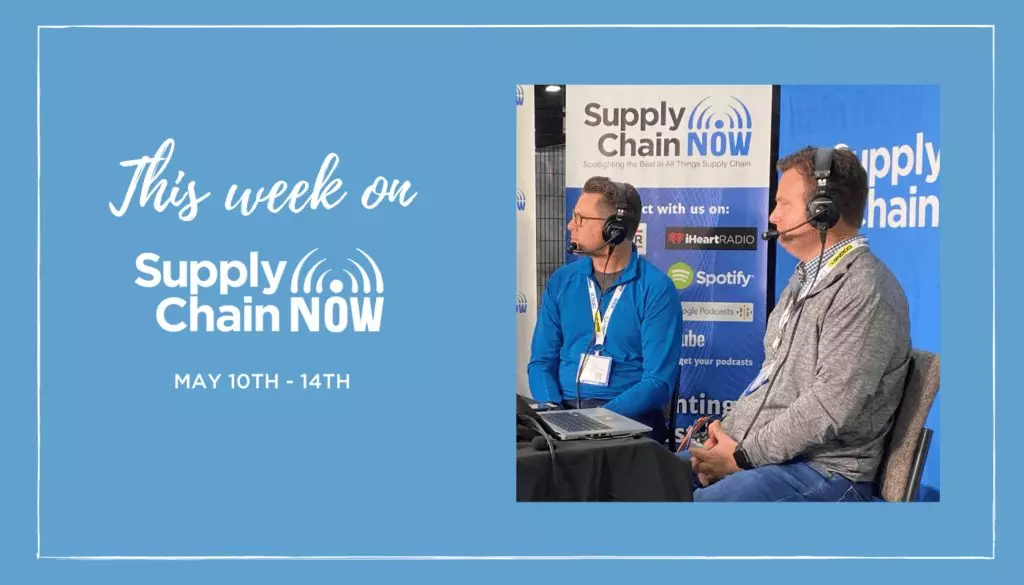
This Week In Supply Chain Now: May 10th – 14th
Get ready to increase your supply chain IQ! We’re looking back on the latest episodes, interviews, conversations, and livestreams from this week right here. On Monday, we released 2 new episodes! In this episode of Digital Transformers,hosts Kevin L. Jackson and Scott Luton learn about the power of the IBM cloud ecosystem from Brian Fallon, Vice President of Global Sales for the IBM Partner Ecosystem. On This Week in Business History, Kelly Barner dives into the rise of Warren Buffet, the completion of the transcontinental railroad, some interesting business birthdays, & the invention of the tubeless tire. On Tuesday, we released 2 new episodes! On this episode of Supply Chain Now, Gugulethu Hughes, Founder of Clinch, joins our hosts Scott and Greg to share the number one challenge for the startup economy in Africa, why corporate social responsibility programs are falling short in eliminating child labor, & more. On TECHquila Sunrise, host Greg White welcomed stealthy startup co-founder and Venture Partner at Kubera Venture Capital, Sena Zorlu, to look into the minds of investors, revealing what makes them tick and how founders can communicate clearly with them. On Wednesday, we released an episode in our Reverse Logistics Series in collaboration…
freight network
February 12, 2026
How Freight Visibility is Reshaping Supply Chain Resilience
Special Guest Blog Post from Amazon Freight For supply chains across the globe, goods in motion are promises in motion. When a palletised shipment is delayed or goes dark, the impact is felt not just in transport teams, but in customer service, inventory planning, and broader network performance. In a conversation, economist Dr. Rebecca Harding and Chris Roe, Managing Director of Amazon Freight, explored how technology and collaboration are changing the way freight networks operate. While their primary focus was freight, their insights map directly onto the resilience challenges supply chain leaders face every day. Old pressures, new data In a study supported by Amazon Freight, every shipper surveyed agreed that technology is crucial to the freight industry’s resilience. While this isn’t a surprise, it’s an important reminder of the role that technology plays. Roe shared a key example where Amazon Freight connected a customer’s system to its own system. Visibility on the end-to-end movement went from essentially zero to a high level of coverage. Instead of discovering problems only when a shipment failed to arrive, the customer could now see disruptions as they emerged and act earlier. For supply chain teams, that move from partial, delayed information…