

More

supply chain
November 15, 2024
Big Ideas: What’s on the Horizon for Supply Chain 2025?
Change is certainly going to come, and a number of developments are expected to impact the supply chain in 2025. That includes the increased adoption of artificial intelligence (AI) and robotics, investment growth in renewable energy, and momentum gains for nearshoring. No matter what happens in 2025, Supply Chain Now will be there every day to serve as the voice of the industry and keep supply chain podcast listeners informed about the big ideas as well as the little changes that could make a big impact. Ongoing Disruptions Are Set to Impact Industry The question isn’t whether there will be supply chain disruptions in 2025. It’s a matter of when, where, and the cause of the disruption. The International Longshoremen’s Association could go on strike again in January if a contract agreement is not reached. The Houthi could stage more attacks on containerships in the Red Sea at any time. And weather-related disasters could range from deadly ice storms to floods to hurricanes anywhere in the country. “Looking ahead to 2025, we can predict some major shifts and challenges for supply chains. Right now, businesses around the world are facing increasing pressure to adapt to new technologies, environmental impacts, and…
procurement
April 15, 2025
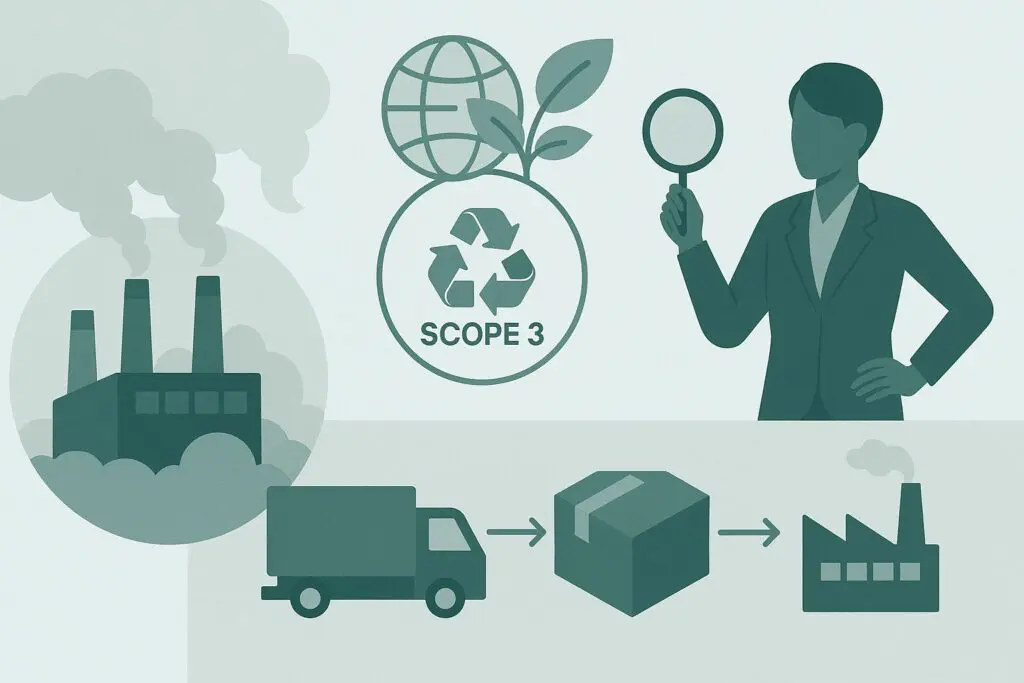
Enabling Procurement Professions to Tackle Scope 3 Emissions
Special Guest Blog Post written by Memory Mathema Tackling climate change is one of the defining challenges of our lifetime. Understanding the implications of decarbonization is imperative to eliminating the risks that come with taking a complacent approach. Our responsibility lies in understanding the impact of our operations and acknowledging the escalating urgency to transition to a carbon neutral future and reduce the environmental footprint of all business undertakings. This is not only right for individual organizations but for the good of the whole society. South Africa ranks 14th globally in carbon emissions and stands as Africa’s leading polluter. The nation’s energy intense economy highlights its crucial role in spearheading efforts to reduce the continent’s carbon footprint and achieve net zero goals. Outdated energy generation methods, particularly coal reliance for 80% of energy needs, overshadow the country’s vast potential in hydrogen, solar and wind power. Both public and private sectors are recognizing the need for sustainable alternatives and are transitioning towards greener energy sources, fostering a shift towards sustainable carbon neutral supply chains. Addressing Scope 3 emissions, which constitute a significant portion of global greenhouse gas emissions, is necessary to delivering carbon neutrality across operations. Organizations must entrench an…