
More
supply chain podcast
March 31, 2025
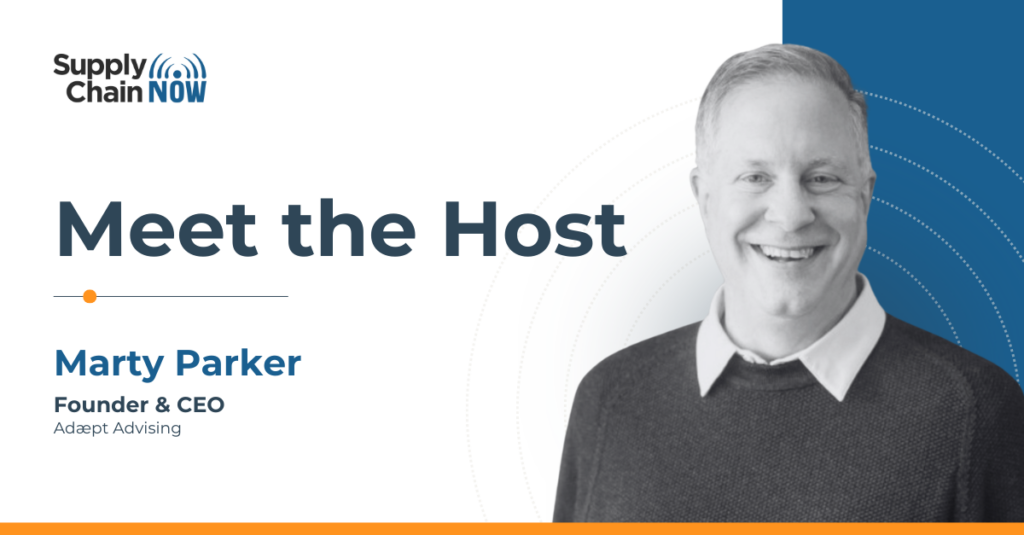
Meet the Supply Chain Now Host: Marty Parker
Supply Chain Now is the voice of the supply chain industry, and our hosts are experts in the field. Podcast listeners tune in to hear the words of wisdom from host Marty Parker, whose practical advice is taken everywhere from the classroom to the C-suite. An Educated Voice in Supply Chain Parker certainly has the supply chain chops to back up his advice. He has 30 years of experience in the supply chain C-suite (COO, CMO, CSO), is the founder and CEO of Adæpt Advising, and is an award-winning senior lecturer in supply chain and operations management at the University of Georgia. He also founded and leads UGA’s Supply Chain Advisory Board, is the academic director of the university’s Leaders Academy, and serves on multiple advisory boards, including the Trucking Profitability Strategies Conference, Zion Solutions Group, and Carlton Creative Co. Mentoring on Campus and in the C-suite Parker’s mentoring carries supply chain stakeholders from their student days to the C-suite. At UGA, he helps his students network and land internships and post-graduation jobs. Through Adæpt Advising, he works with C-suite executives to improve their skills, become better leaders, and develop strategic plans with detailed action steps and financial targets. He…
leadership
October 28, 2025
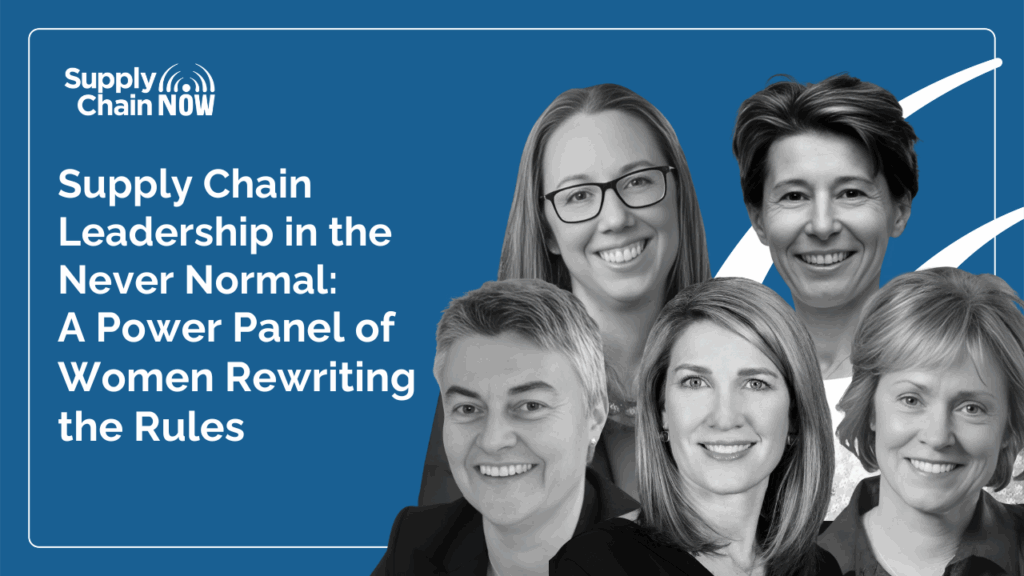
Thriving in the Never Normal – Lessons Learned from 5 Women Supply Chain Leaders
Written by Karin Bursa, Founder and CEO of NIRAKIO and Supply Chain Now Host If you know me, you know I’m a supply chain nerd. I love talking about it, thinking about what’s next, and sharing success stories to inspire others who may feel overwhelmed or unsure where to start. So, when I stepped into the moderator’s chair for our recent Supply Chain Now livestream, I knew we were in for a powerful conversation. Five extraordinary women — each leading global supply chains at some of the world’s most iconic brands — came together to share how they are navigating disruption, embracing innovation, and shaping the future of supply chain leadership. As a fellow Woman in Supply Chain for over 30 years, I had to resist acting like a true ‘Fan Girl’ — I could have talked with them for hours. The world we live in is the “Never Normal.” Volatility is constant. Technology is advancing faster than our operating models. Yet, what struck me most during our panel was the optimism and resilience each leader displayed. These women are proof that even in the face of complexity, supply chains can be transformed into engines of business growth, agility, and…