

More
August 20, 2021
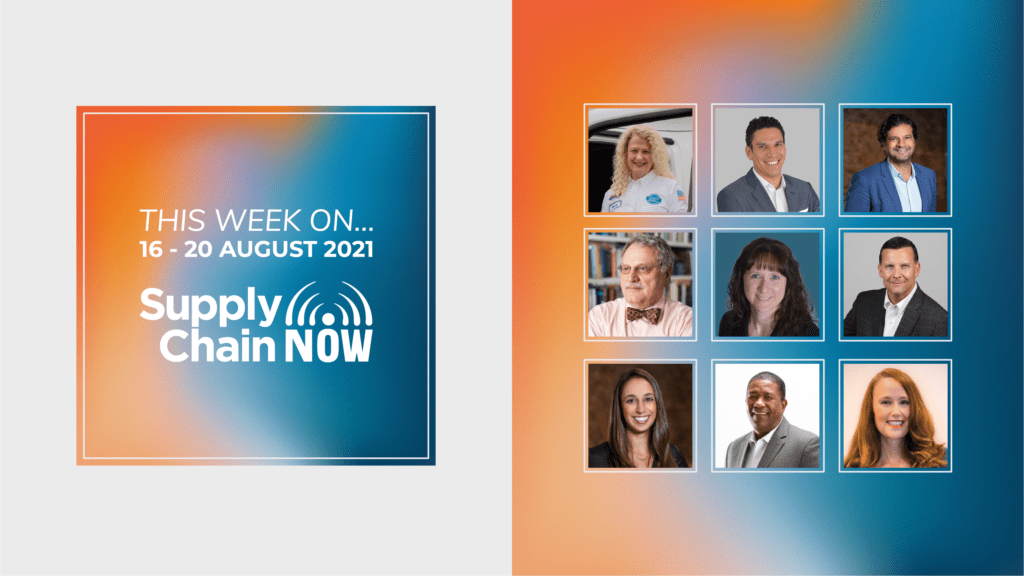
This Week In Supply Chain Now: August 16th – 20th
Stay up to date on all the latest conversations, interviews, and episodes we released this week here at Supply Chain Now. On Monday we released a Supply Chain Now episode with special guest, VP of UPS Ocean Freight, Steve McMichael. During this episode, Steve gives some insightful information on how companies can manage more effectively so that their operations can run in a more timely manner. On This Week in Business History, Kelly Barner talks about the difficulties that came along with Laying the First Transatlantic Telegraph Cable across the Atlantic Ocean. On Monday we also re-released a classic Supply Chain Now en Español episode with Erique Alverez and special guest, Josue Vasquez. In this episode of Logistics With Purpose hosts Enriquez Alvarez and Kristi Porter have a conversation with MAP International Vice President of Global Giving, Jodi Allison. She talks about the global impact that the company has had when it comes to the necessary efforts needed for a crisis such as COVID-19. On Wednesday’s episode of Supply Chain Now, Scott Luton and Greg White welcome Walmart truck driver, April Coolidge, to the show. During this episode, she gives insight into her being a woman in a male-dominated field…
TMS for shippers
April 1, 2026
The Connected TMS for Shippers: One Platform for Every Mode
This post is written by our friends at e2open. E2open is the connected supply chain software platform that enables the world’s largest companies to transform the way they make, move, and sell goods and services. Moving as one.™ Learn More: www.e2open.com. Transportation teams feel pressure every day. Managing road, ocean, air, rail, and parcel means working across separate systems. When conditions change, teams scramble between tools, emails, and spreadsheets just to keep freight moving. Missed appointments, detention risk, tender fallout, and service failures are harder to avoid when execution lives in silos. A connected Transportation Management System (TMS) for shippers changes that model. Instead of managing each mode in isolation, transportation teams orchestrate execution across modes in one coordinated flow. Automated workflows handle routine decisions, multimodal transport data stays aligned, and planners focus on the exceptions that truly require human judgment. The result is faster response, fewer handoffs, and more confident execution when plans change. Why “connected” logistics orchestration matters for modern shippers Most shippers didn’t design their transportation stack as a single system. Road, ocean, air, and parcel tools evolved separately, often from different vendors. That fragmentation shows up the moment disruptions hit, forcing teams to react…