
More
August 7, 2020
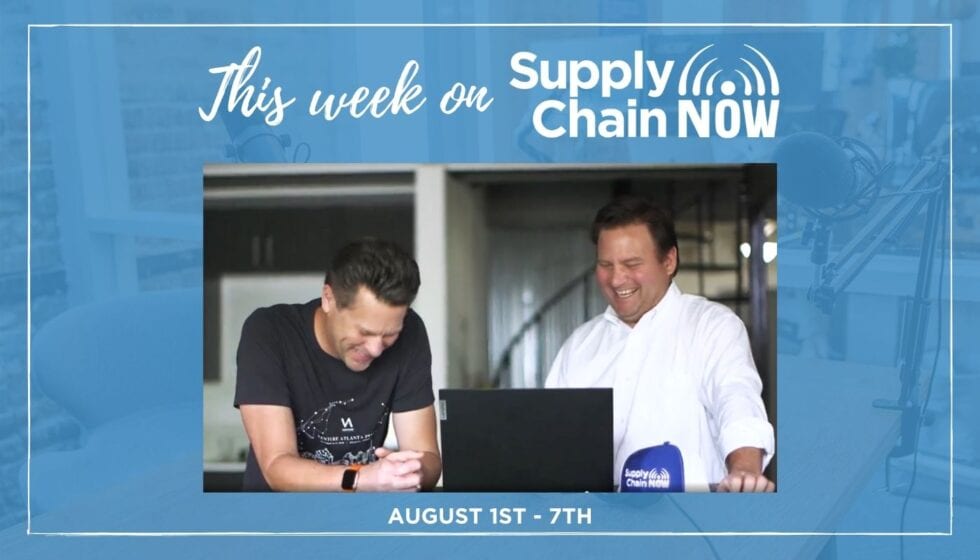
This Week on Supply Chain Now: August 1st – 7th
Another BIG week at Supply Chain Now! If you missed an episode, get a quick summary and listen here! We added another TWO additional episodes this week starting on Saturday, August 1st. If you didn’t catch our Supply Chain Buzz livestream last week, you got another chance to see Scott and Greg cover the top news in Supply Chain on Saturday. Supply Chain Now · “The Supply Chain Buzz for July 27th: Brand Rationalization, CSCO Diversity, & More” On Sunday, we continued our Logistics with Purpose series with a great interview with Jon Thompson with Comunidad Connect. Supply Chain Now · “Logistics with Purpose: Jon Thompson with Comunidad Connect” On Monday, Scott and Greg spoke with Andrea Kerr, the VP of Product Management with SpotSee, all about optimizing supply chain visibility. Supply Chain Now · “Optimizing Supply Chain Visibility: Angela Kerr with SpotSee” On Tuesday we had ANOTHER great new program debut! We published the first episode of the Jamin Logistics & Transportation Experience, as Jamin Alvidrez interviewed our very own, Scott Luton! Supply Chain Now · “Adapt & Thrive: Lessons from the Air Force, Andy Griffith & Granddad with Guest…
global supply chain
January 29, 2026
Constant Supply Chain Disruption Promises to Keep Logistics Entertaining, Exciting, & Challenging
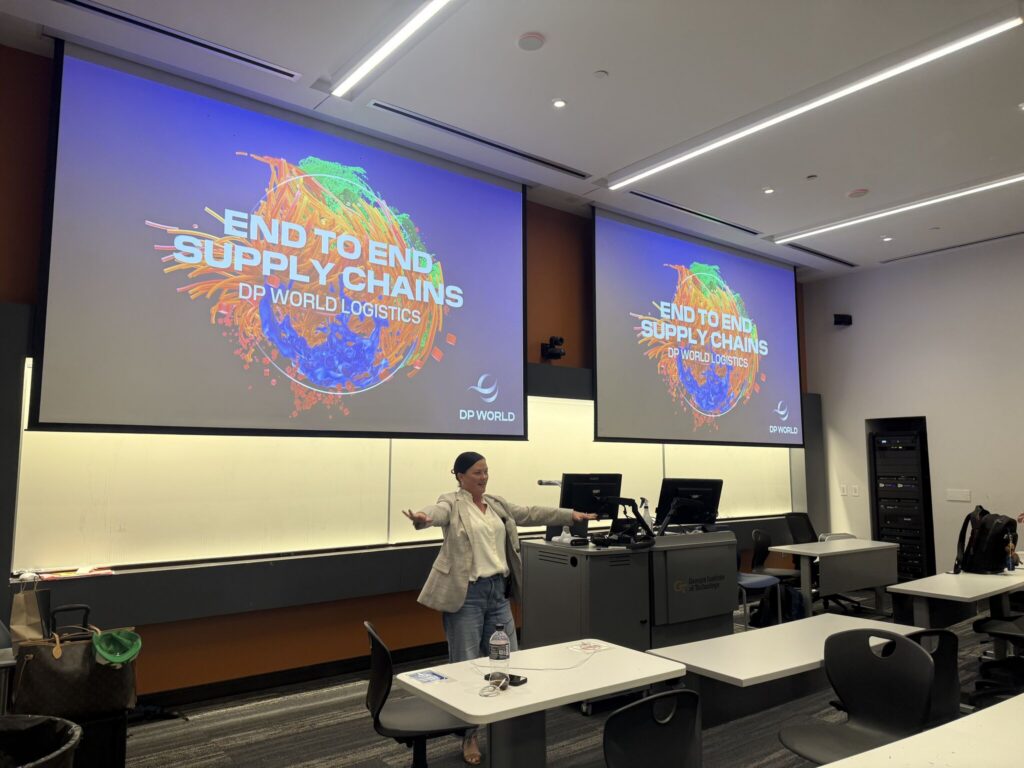
Special Guest Blog Post written by Brittany Caskey, Chief Commercial Officer – Logistics with DP World Americas I was recently invited to speak with students in the Supply Chain and Logistics Organization at Georgia Tech, and it reminded me why I still find this industry so energizing. I walked them through my own path — starting in logistics right out of college, building my foundation at UPS in sales and sales management, and eventually stepping into my role today as Chief Operating Officer at DP World in the Americas. What I shared with them is something I still believe deeply: logistics keeps life interesting, because no two days are ever the same. Customer expectations change. Geopolitical realities shift. Trade lanes evolve. Weather, labor, technology — everything is in constant motion. That constant change is what keeps logistics professionals sharp and solutions focused. It’s also why customer experience has become the true differentiator in today’s supply chains. Because while disruption is unavoidable, how you manage it is a choice. Customers Don’t Care Why — They Care That It Works One message I emphasized with the students is the same one I reinforce with customers and teams every day: customers…