

More
National Supply Chain Day
March 9, 2026
National Supply Chain Day® Returns April 29, 2026 | Celebrating the People and Stories Powering the Global Supply Chain
National Supply Chain Day (NSCD)® returns on Wednesday, April 29, 2026 with Supply Chain Now, bringing together professionals across the industry for an annual celebration dedicated to recognizing and elevating the people, processes, and innovations that keep the world moving. Established in 2020, National Supply Chain Day® was created as a way to lift the supply chain industry up and propel it forward by spotlighting the stories, leaders, and breakthroughs that shape global commerce. What began as a single-day celebration has grown into an industry-wide movement that continues to inspire pride, visibility, and momentum across the profession. Supply Chain Now will host its annual National Supply Chain Day Livestream, led by SCN’s own Scott Luton (CEO & Founder) and Mary Kate Love (President & the visionary behind the creation of NSCD) with a keynote from Billy Ray Taylor and the announcement of two new award recipients. And, for the first time ever, organizations can officially register both virtual and in-person National Supply Chain Day events on the Supply Chain Now website. From the logistics behind everyday essentials to the complex global networks delivering critical goods worldwide, National Supply Chain Day® honors the professionals who connect the world. Livestream Registration…
November 5, 2021
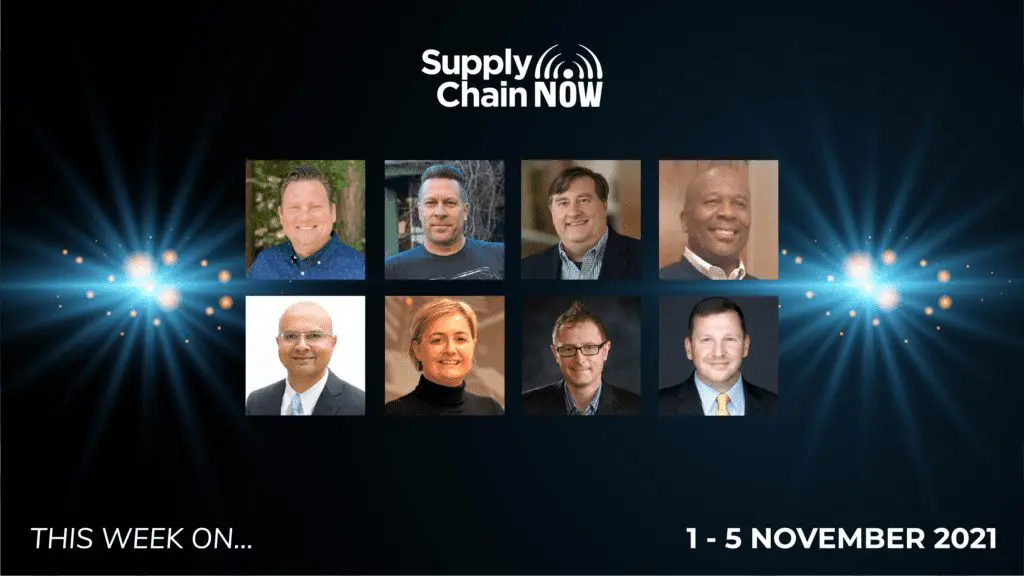
This Week In Supply Chain Now: November 1st – November 5th
Stay up to date on all the latest conversations, interviews, and episodes we released this week here at Supply Chain Now! We started this week off with an episode of Dial P live with host Kelly Barner. During this episode Kelly talks about supplier diversity, equity, and inclusion with Neeraj Shah, the CEO of Supplier io. For Monday’s This Week In Business History episode, Scott Luton highlights national sandwich day from the interesting facts to stories about some of America’s favorite sandwich brands. On Tuesday, we released a new episode of TEK TOK with host Karin Bursa. Karin talks with Dr. Glenn Richey representing Auburn University. During this episode, these two explain consumer issues ahead of the 2021 holidays and busy shopping season. For this episode of Supply Chain Now live host Scott Luton and Greg White chat with Bobby Holland the Vice President and Director of Freight Data Solutions at U.S. Bank. And Patricia Gabriel, the Vice President of U.S. Customer Service with Mondelez international. The conversation leads to the advancements that Bobby was involved in pertaining U.S Bank and the Quarter 3 reports for Mondelez International. For Thursday, we released an episode of Digital Transformers host with Kevin…