

More
circular supply chain
April 10, 2026
Critical Mass: Inside the Coalition Building America’s Circular Supply Chain
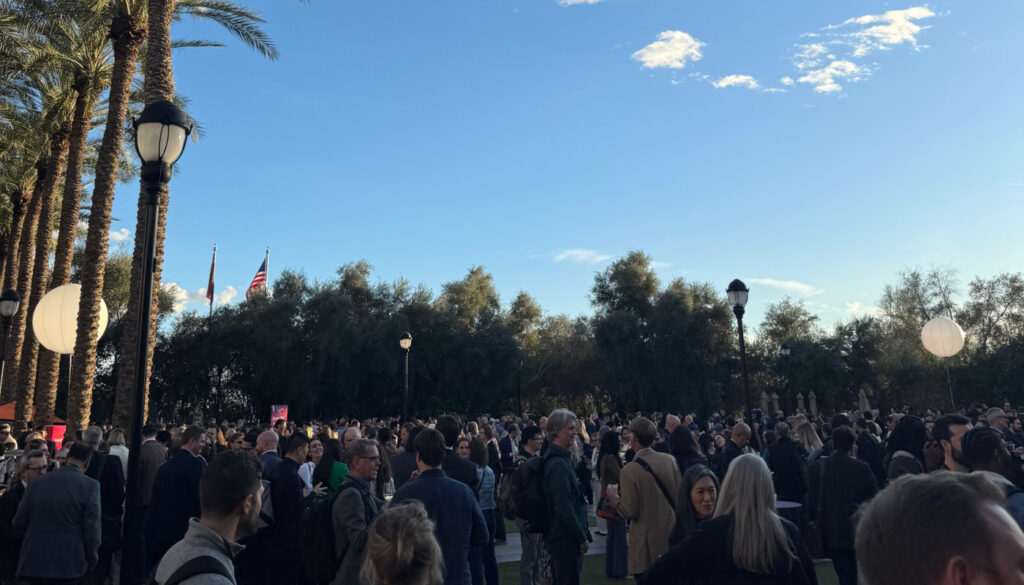
written by Deborah Dull, on site at GreenBiz 2026 It started over drinks, 80s music, and a shared frustration that has probably launched more good organizations than any strategic planning process ever has. The Circular Supply Chain Coalition, or CSCC, came out of a realization that a lot of the right work was already happening, in reverse logistics, in remanufacturing, in local procurement, in community-based value chains, but nobody had connected it. The people doing the work were not in the same room. The companies with the materials were not talking to the processors who could recover them. The states with enabling policies were not linked to the investors looking for exactly those environments. So the coalition became, as its founders describe it, a collector of collectors. The focus right now is on three priority waste streams: batteries, semiconductors, and e-waste. These were not chosen randomly. They have two elements in common. They carry geopolitical consequence, meaning the supply chains behind them are controlled by other countries and that is a known vulnerability. And they have business cases that a CFO can actually evaluate. That second part matters more than people in the sustainability world usually admit. The hub…
orchestration
November 4, 2025
Unifying Real-Time Data for End-to-End Supply Chain Orchestration
Special guest post written by Chris Cunnane with InterSystems Supply chain orchestration is the coordinated management of end-to-end supply chain activities, across planning, sourcing, production, logistics, and delivery, using technology, data, and processes to ensure that every moving part works together seamlessly. It enables organizations to attain an agile and resilient supply chain model through the use of decision intelligence. This is achieved through the See > Understand > Optimize > Act framework, which gives organizations the confidence to plan and respond to disruptions with assurance in their supply chain stability. See: gather raw data and information from your environment or a situation. Understand: analyze the information you’ve seen to build a comprehensive understanding of the context, your knowledge, and potential complexities. Optimize: develop the best possible solution or course of action to address the situation. Act: implement your chosen solution, putting your knowledge into practice. From a practical standpoint, this framework powers your supply chain application ecosystem with end-to-end visibility, insights, and better decisions. It helps organizations reach their supply chain goals by enabling them to align processes, stakeholders, and technology toward desired outcomes. The end result is reduced costs, improved operating margins, and optimized sustainability decisions, among others.…