

More
Reuters Events Supply Chain
May 21, 2026
Supply Chains That Bend, Not Break
This post is written in partnership with Reuters Events: Supply Chain. Reuters Events connects the world’s most senior supply chain leaders through conferences, research, and digital content. Learn more: events.reutersevents.com/supply-chain/usa When decisions cannot keep pace with change There is a moment most planning leaders recognise right now: A tariff announcement lands. A carrier pulls capacity. Demand accelerates faster than the forecast adjusts. The decision window compresses, and by the time there is confidence in the data, the cost of delay is already building. These pressures across supply chains are not new. What has changed is the speed at which conditions move underneath a decision, often faster than organisations are set up to respond. Customer expectations do not flex when supply does not. The cost of a wrong call, whether inventory in the wrong market, capacity committed too early, or service levels slipping before anyone flags them, compounds quickly. Most organisations have responded by investing. Better tools. More data. AI pilots. Network reviews. The core problem persists: decisions are still being made without full confidence. Planning and execution do not align when conditions change. In many cases, the issue is not disruption itself. It is how long organisations take to…
June 26, 2020
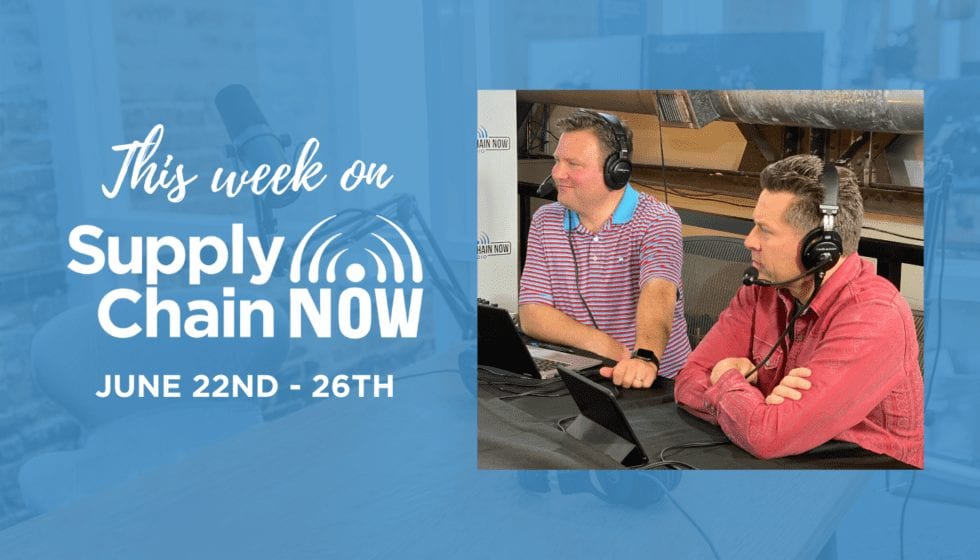
This Week on Supply Chain Now: June 22nd – 26th
Another great week here at Supply Chain Now! Did you catch all the episodes? If not, you can check them all out here: We kicked off the week with This Week in Business History, where Scott looks back at some of the biggest historical events in business history for the week ahead. Supply Chain Now · “June 22nd- This Week in Business History: The Birth of the Universal Product Code” Then on Tuesday, Scott and Greg welcomed Jeff Cashman with GreyOrange to the podcast for a conversation on robots, automation, and so much more Supply Chain Now · “Modern Fulfillment Demands Modern Systems: Jeff Cashman with GreyOrange” On Wednesday, we launched another new series, TECHquila Sunrise with Greg White, where Greg shares the latest investments, acquisitions, innovations, and glorious implosions in Supply Chain Tech every week. Supply Chain Now · “The Dawn of a New Day: TECHquila Sunrise with Greg White” On Thursday we published the Supply Chain Buzz, where Greg and Scott discussed the top supply chain news of the week. Supply Chain Now · “Supply Chain Buzz for June 22nd: Pharma, Late Deliveries, ECommerce, & More” And we wrapped up…