

More
May 21, 2021
This Week In Supply Chain Now: May 17th – 21st
It’s been an exciting week here at Supply Chain Now! Get ready to hear all the latest episodes, interviews, conversations, and livestreams from this week right here. On Monday, we released 3 new episodes! In this episode of Supply Chain Now, we introduced the relaunch of our Supply Chain Real Estate series, in partnership with Prologis. Special host Ward Richmond of Colliers International joined our Supply Chain Now host Scott Luton to welcome Melinda McLaughlin and Megan Creecy-Herman of Prologis to the show. On This Week in Business History, Scott Luton shares 9 Things you Didn’t Know About Tina Fey. On Supply Chain Now en Espanol, host Enrique Alvarez welcomed José Luis Silva Vázquez with Dux Capital to hear stories from his childhood and how self-motivation and taking risks have gotten him where he is today. On Tuesday, we released 2 new episodes! On this episode of TEKTOK, Kelly Barner and Enrique Alvarez joined Karin Bursa and Scott Luton to discuss how the industry has bounced back since the pandemic began and how far we’ve come on a few important themes around digital supply chain and procurement. On TECHquila Sunrise, host Greg White continued his conversation with stealthy startup co-founder…
healthcare
January 6, 2026
How a Supply Chain Management Data Gateway Benefits Almost Every Industry
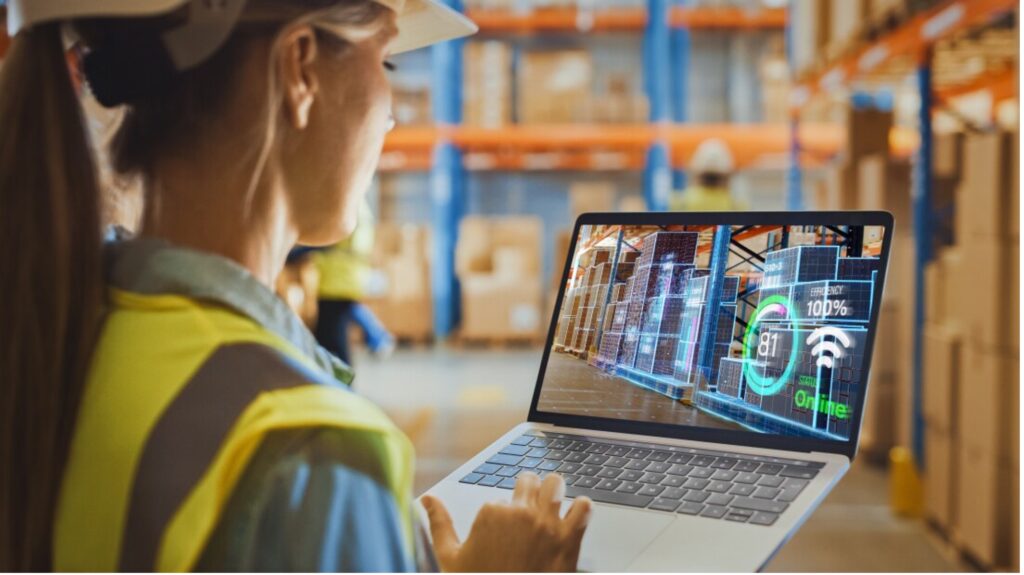
Special Guest Blog Post written by Mark Holmes with InterSystems A data gateway provides unified access to supply chain data from various sources, including enterprise systems, supply chain applications, data feeds, data warehouses, data lakes, data marts, and business entities. It helps companies meet their supply chain challenges head on and be ready for supply chain disruptions. Quick and easy access to live and historical data is critical for supply chain managers and practitioners, data analysts, stewards, engineers, and supply chain professionals in any industry. Here are just a few examples of industries that can benefit from a supply chain data gateway: Fast Moving Consumer Goods and Consumer Packaged Goods In FMCG and CPG, the ability to make rapid, data-driven decisions is crucial for staying competitive in a fast-paced market. Companies can optimize their supply chain operations by using a data gateway that provides a unified and harmonized view of data. For instance, a logistics manager can monitor real-time data on inventory levels, customer orders, and transportation schedules to make better informed decisions and reduce lead times and costs while improving customer satisfaction. Healthcare In healthcare, a data gateway can improve visibility and inventory optimization by providing a…