

More
supply chain
January 15, 2026
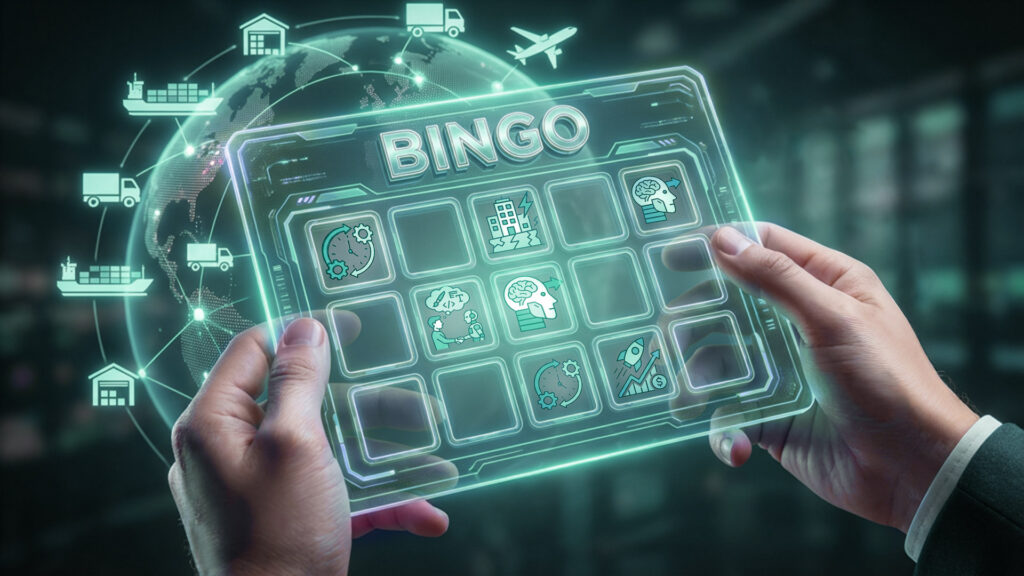
5 Supply Chain Predictions on our 2026 Bingo Card
Special Guest Blog Post written by Philip Vervloesem If your supply chain planning still runs on a monthly cycle, 2026 will be uncomfortable. We are operating in a polycrisis where change is constant, and responses need to be fast enough to keep up. From customer conversations, industry research, and leadership discussions at the Gartner supply chain conferences, a clear pattern has emerged: the organizations pulling ahead are not planning more often. They are embedding agility, intelligence, and speed into the way they make decisions. Here are five predictions shaping supply chain excellence in 2026 – our “bingo card” for what’s now table stakes. 1. Continuous, always-on planning is a must Monthly or quarterly cycles are no longer enough. The organizations that outperform treat planning as a continuous capability embedded in daily operations, and make it part of their governance and operational excellence. Imagine this: a sudden surge in demand hits or a supplier flags a delay. Instead of waiting for the next planning cycle, teams immediately evaluate options, share insights across functions, and adjust course. Planning stops being a calendar exercise and starts shaping real-time decisions. “By shifting from process-centric to decision-centric planning, we now run hundreds…

travel
August 14, 2025
5 Questions I Would Like to be Asked About the Logistics Behind Traveling
Special Guest Blog Post written by Sofia Rivas Herrera One of my greatest joys is travelling around the world; learning about other cultures, ways of living and traditions. I often say that “everything is supply chain”, and this topic is no exception. When we plan a trip, we first start by defining origin and destination followed by when we want to travel and how. Then we evaluate how much we want/can spend and identify our non-negotiables, which start reducing the horizon of combinations and options we have. Does this sound familiar? In my mind this is very similar to processes within planning, procurement, network optimization and supply chain strategy. Here are 5 questions travel-related that I loved to be asked to help prove my point of this connection with supply chain: What is the best way to plan a trip? Planning a trip is no different than planning a new distribution model or redesigning your network. This process can look a bit like this: Define your route; origin and destination Identify your constraints: budget, time available, level of convenience and comfort, Run your optimization scenarios From there, you identify available lanes, available modes of transport, and available…