

More
logistics
August 14, 2025
5 Questions I Would Like to be Asked About the Logistics Behind Traveling
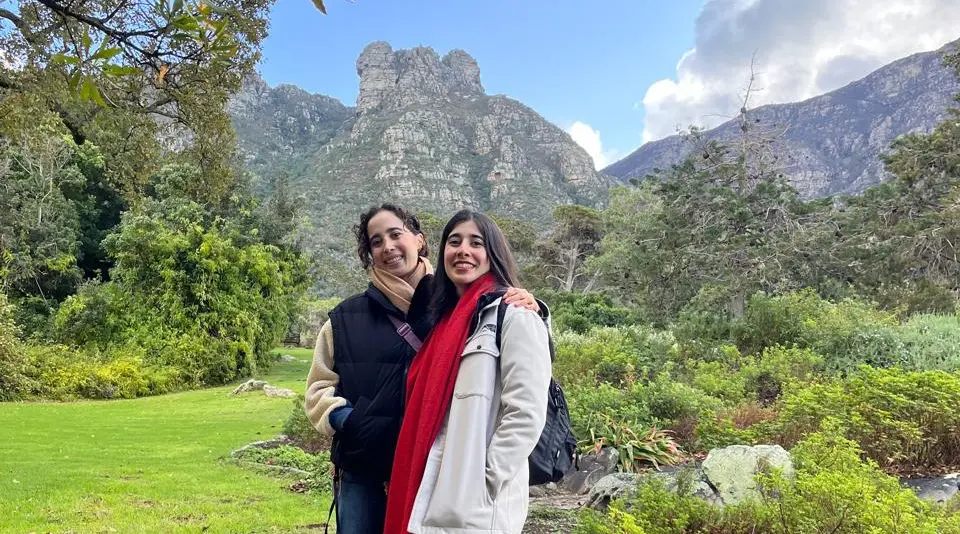
Special Guest Blog Post written by Sofia Rivas Herrera One of my greatest joys is travelling around the world; learning about other cultures, ways of living and traditions. I often say that “everything is supply chain”, and this topic is no exception. When we plan a trip, we first start by defining origin and destination followed by when we want to travel and how. Then we evaluate how much we want/can spend and identify our non-negotiables, which start reducing the horizon of combinations and options we have. Does this sound familiar? In my mind this is very similar to processes within planning, procurement, network optimization and supply chain strategy. Here are 5 questions travel-related that I loved to be asked to help prove my point of this connection with supply chain: What is the best way to plan a trip? Planning a trip is no different than planning a new distribution model or redesigning your network. This process can look a bit like this: Define your route; origin and destination Identify your constraints: budget, time available, level of convenience and comfort, Run your optimization scenarios From there, you identify available lanes, available modes of transport, and available…
October 28, 2020
Digital Transformers and TEKTOK Digital Supply Chain podcasts
Supply Chain Now announces an expanded program portfolio to focus on innovation. Digital Transformers and TEKTOK Digital Supply Chain podcasts, anchored by industry experts Kevin L. Jackson and Karin Bursa, help amplify thought-leading insights and accelerate business transformation to the Supply Chain Now community and audience. READ FULL PRESS RELEASE HERE.