

More
May 7, 2025
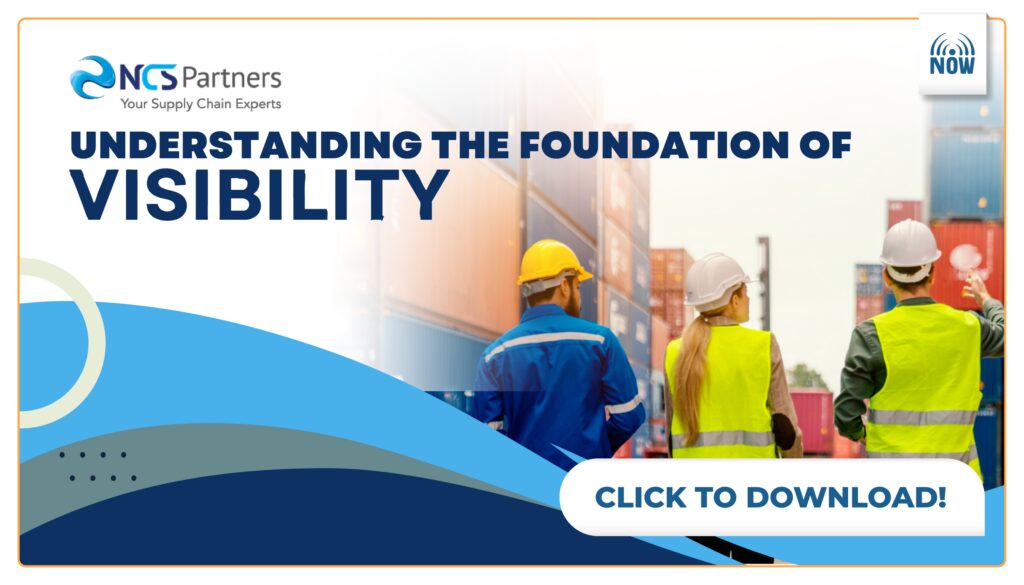
Understanding the Foundation of Visibility
Most organizations talk about visibility—but few truly achieve it. Are you one of them? In today’s fast-paced, disruption-prone environment, having real-time visibility across your supply chain isn’t a luxury—it’s a necessity. Yet, fewer than 10% of companies surveyed can say they have end-to-end insight into their supply chain operations. So what’s standing in the way? And more importantly—how do you overcome it? “Understanding the Foundation of Visibility” is the first whitepaper in a powerful new series by NCS Partners, designed to help supply chain leaders break down silos, align teams, and turn fragmented data into actionable insight. Download this white paper to learn how to: Identify the five most impactful focus areas for building end-to-end visibility Align leadership and secure cross-functional buy-in to drive transformation Build a clear vision and roadmap to avoid common visibility pitfalls Integrate distributed data sources to enable real-time, actionable insight Promote continuous improvement and communication across teams Whether you’re just beginning your visbility journey or ready to refine your approach, this foundational guide offers expert-backed strategies used by top-performing organizations. Download the “Understanding the Foundation of Visbility” white paper here to learn more
automation
April 27, 2026
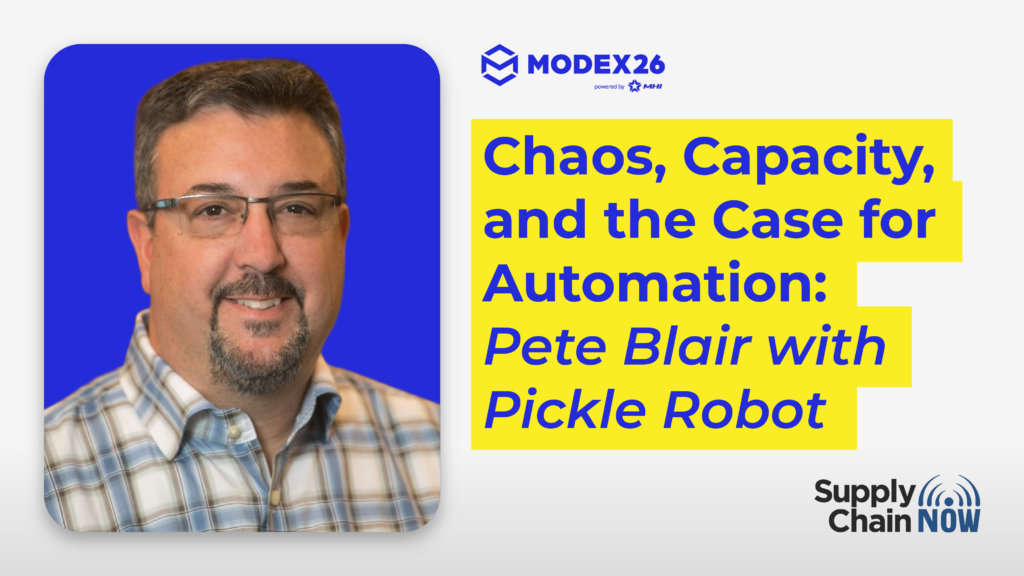
Chaos, Capacity, and the Case for Automation: Pete Blair with Pickle Robot
At MODEX 2026 in Atlanta, the energy was unmistakable. With thousands of supply chain professionals gathered, one theme echoed across conversations: uncertainty is no longer episodic. It’s constant and seemingly endless. In a candid discussion with Scott Luton, Pete Blair, VP of Product & Marketing at Pickle Robot, unpacked how organizations are navigating volatility, workforce challenges, and the growing role of automation in keeping operations moving. Navigating Tariffs and a Moving Target If there’s one word defining today’s global supply chain environment, it’s unpredictability. Blair points to tariffs as a prime example; and not just their presence, but their volatility. “The biggest thing we see… is the chaos of tariffs. It’s not so much that customers have to pay tariffs or not pay tariffs, it’s that they don’t know how to plan,” Blair explains. That lack of predictability is forcing organizations to rethink their networks in real time. Companies are shifting sourcing strategies, standing up temporary distribution centers in new geographies, and even making drastic decisions about whether importing goods makes financial sense at all. What’s particularly challenging isn’t the cost itself. But rather, it’s the inability to forecast. Supply chains, while resilient, aren’t designed for abrupt swings like…