

More
March 25, 2021
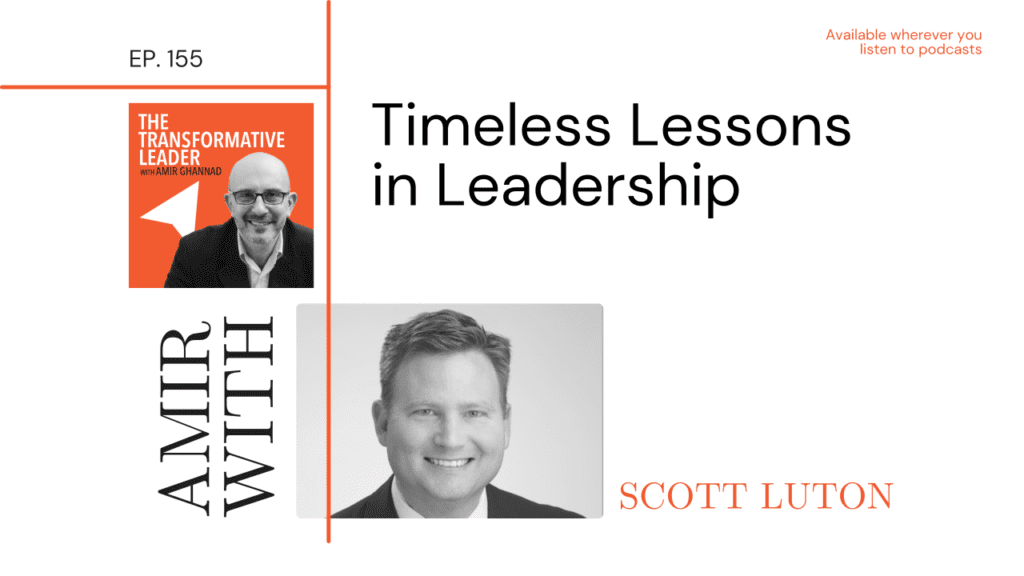
“Timeless Lessons in Leadership” – Scott Luton is Featured on Amir Ghannad’s Transformative Leader Podcast
On March 25th, Supply Chain Now CEO, founder, and host Scott Luton was the featured guest on Amir Ghannad’s Transformative Leader podcast. Read more about the interview and listen to the podcast episode here.
compliance
January 27, 2026
AI in Global Trade Compliance: What Works Now, What’s Next, and How to Govern It
Special Guest Blog Post written by Dr. Johannes Hangl with e2open AI is no longer an experiment in global trade compliance. It’s already being applied in product classification, document-to-declaration workflows, risk targeting, and sanctions screening. At the same time, regulators and customs authorities are adopting AI themselves. This is raising expectations for data quality, transparency, and governance across the entire trade ecosystem. With the EU AI Act set to apply from August 2026, companies that have not yet implemented human-in-the-loop controls, drift monitoring, and defensible audit trails are running out of time to close the gap. Where AI is already adding real value today: HS and ECN classification Product classification has become one of the most practical AI use cases. Modern tools can now suggest harmonized system (HS/ HTS) and export control (ECCN) codes, explain the rationale, and attach confidence scores and audit metadata to each decision. This direction mirrors what customs authorities are doing. Administrations such as German Customs have discussed using machine learning to improve targeting and risk detection. It appears both sides of the border are moving toward data-driven decision support. AI does not remove accountability. It changes how accountability is exercised. Practical…