

More
February 17, 2021
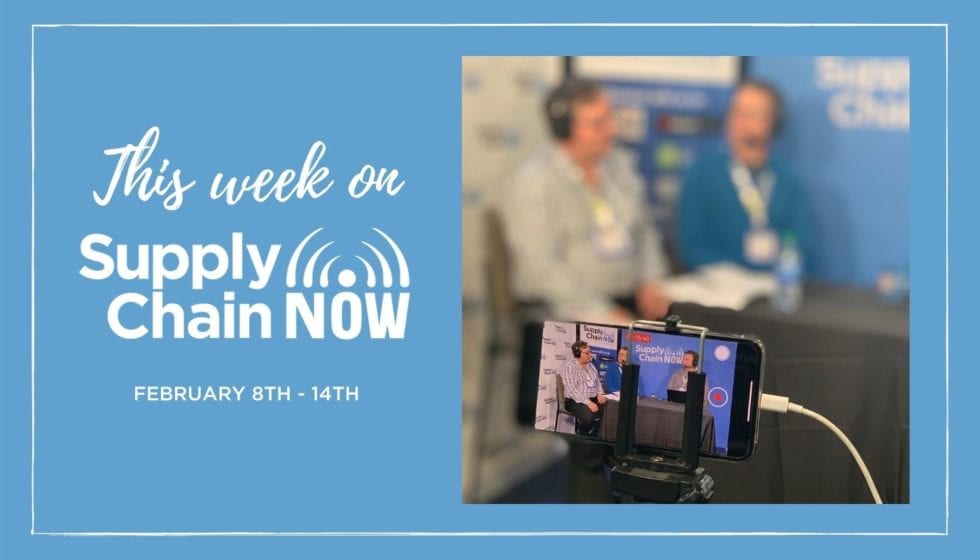
This Week on Supply Chain Now: February 8th – 14th
Listen up to the latest episodes, interviews, conversations, and livestreams from Supply Chain Now this week! On Monday, Scott Luton and guest host Will Haraway welcomed JP Wiggins with 3Gtms for a conversation on transportation management and even a little baseball! On Tuesday, Host Karin Bursa welcomed supply chain genius Criag Ablin to TEK TOK to discuss the 6 levers that drive digital and physical success. On Wednesday, we kicked off our Reverse Logistics series in partnership with the Reverse Logistics Association featuring Chuck Johnson, COO of goTRG. Tune in for a great conversation about peak returns season, with passionate opinions from Chuck, our hosts Scott, Greg, and Tony Sciarrotta, and our audience! On Thursday, Scott Luton, Greg White, and Enrique Alvarez sat down to discuss all the top news and biggest stories in supply chain this week on The Supply Chain Buzz. On Friday, Scott Luton dived into the top news in business, including industry developments in the tech and talent sector, aviation, the beverage industry, and more! And we wrapped up with a bonus livestream this Saturday to discuss Supply Chain leadership across Africa. Which was your favorite episode? Make sure…
warranty management optimization
June 2, 2026
Your Supply Chain Isn’t Broken. Your Data Is.
written by Chris Cunnane with InterSystems Supply chain leaders are under constant pressure to move faster, reduce costs, improve resilience, and respond to disruptions in real time. Yet despite billions invested in technology, many organizations still struggle with stockouts, delayed shipments, excess inventory, and unreliable forecasts. The problem may not be the supply chain itself. It may be the data behind it. Most organizations today operate with more supply chain data than ever before. ERP systems, warehouse management platforms, transportation tools, supplier portals, IoT devices, and analytics dashboards generate a nonstop flow of information. On paper, this should create unprecedented visibility. But visibility is not the same as confidence. When inventory data is delayed, supplier updates are inconsistent, and demand signals are fragmented across systems, organizations are forced to make critical decisions using incomplete or unreliable information. The result is a distorted picture of reality, and costly mistakes follow. Companies expedite shipments they didn’t need. They over-order inventory “just in case.” They miss shortages that were hiding in plain sight. And they spend valuable time reconciling conflicting reports instead of solving problems. The Real Problem: Fragmented Data The challenge isn’t a lack of data. It’s that the data…